Russia flies Tu-160 bombers on 16-hour Arctic patrol
Russia’s Tu-160 bombers spent 16 hours over the Barents and Norwegian seas, then tested air-to-air refueling in a signal to NATO’s Arctic flank.
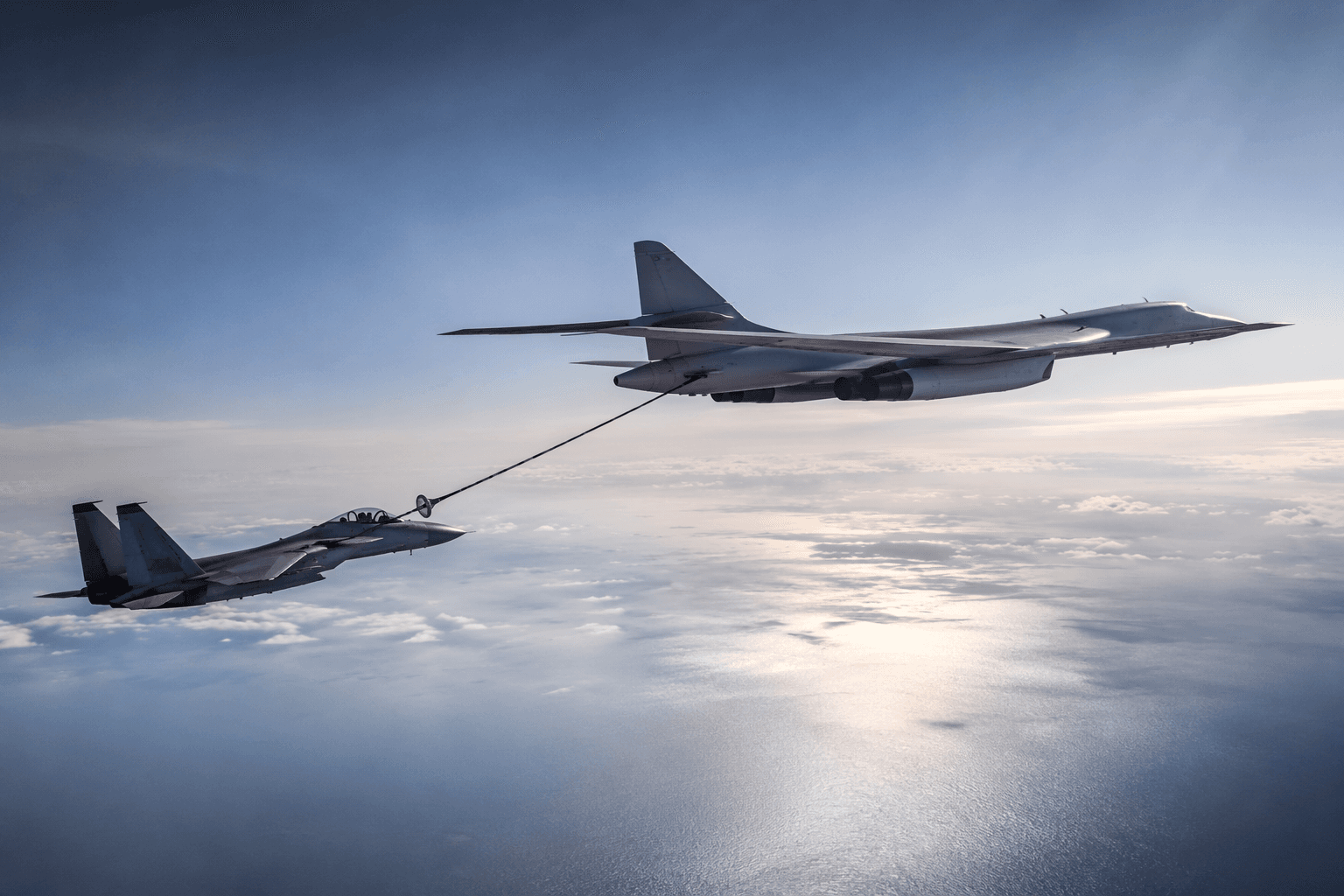
Russian Tu-160 strategic bombers spent 16 hours flying over the neutral waters of the Barents Sea and the Norwegian Sea, then tested air-to-air refueling in a patrol that highlighted Moscow’s reach close to NATO’s northern flank. Russia described the mission as routine, but the timing, the route and the refueling drill gave the flight clear strategic weight.
The Russian defense ministry said the bombers were escorted by MiG-31 fighter jets and, at certain points, by foreign fighter aircraft, though it did not identify which countries tracked them. That detail underscores how closely NATO and other militaries watch Russian strategic aviation in the High North, where every long-range sortie can trigger interceptions, air-defense coordination and intelligence collection across Norway, Finland and allied airspace.
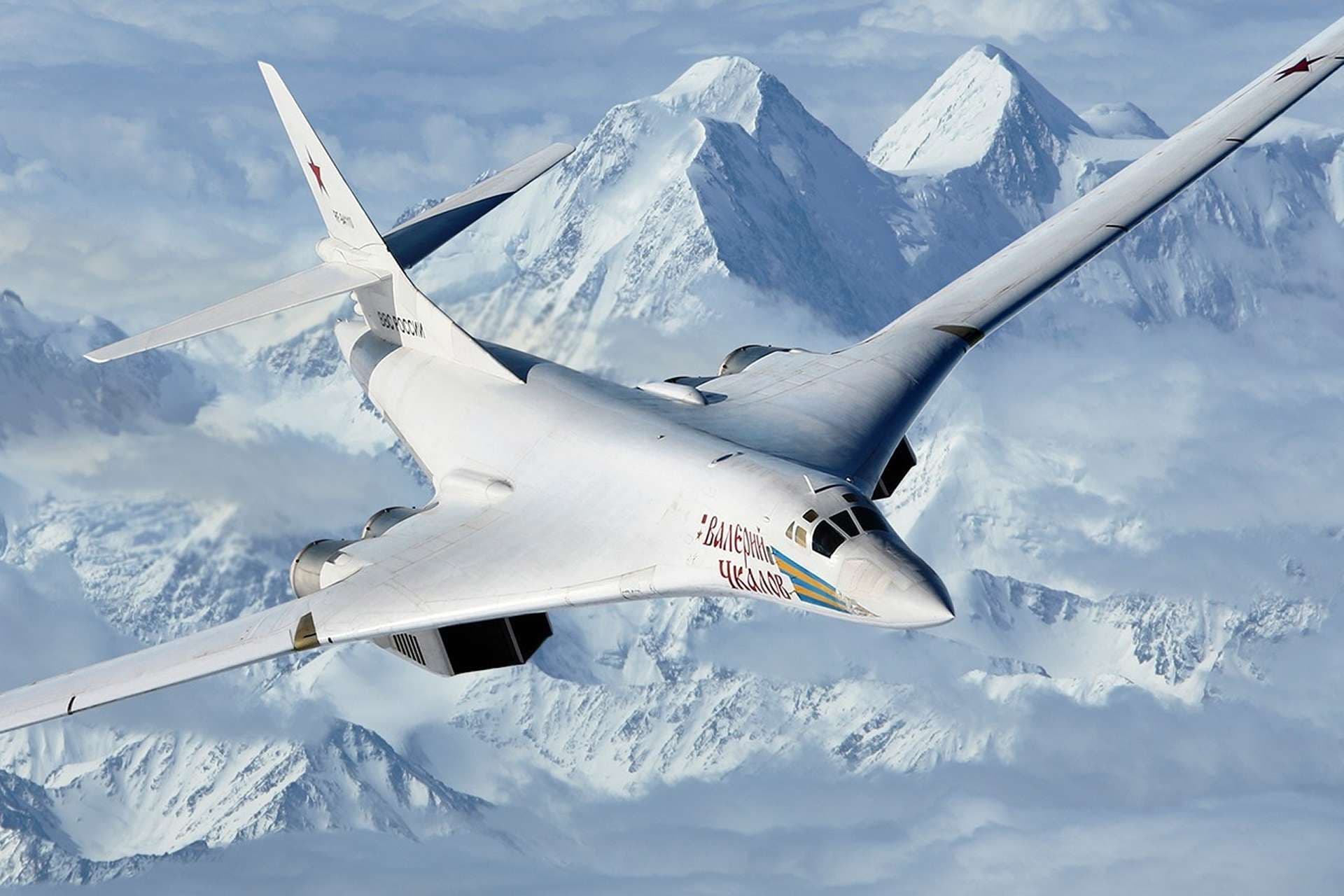
The Tu-160, known to NATO as Blackjack, is Russia’s nuclear-capable, supersonic strategic bomber and one of the country’s most visible long-range strike platforms. An air-to-air refueling test matters because it extends the bomber’s operating radius and demonstrates that Russian crews can sustain missions far from home bases, not just launch short training flights over domestic territory. In practical terms, it signals endurance as much as firepower.
That message lands in a region already under strain. On February 27, 2026, Norway said two F-35s identified and shadowed two Russian Tu-95MS bombers escorted by two Su-35 fighters over the Barents Sea in international airspace. In December 2025, Reuters reported another scheduled Russian bomber flight over the Norwegian and Barents seas that was also shadowed by foreign fighters. Russia has used the same northern corridor before, including during Ocean-2024 drills in June 2024, when Tu-160s overflew the Barents and Norwegian seas.
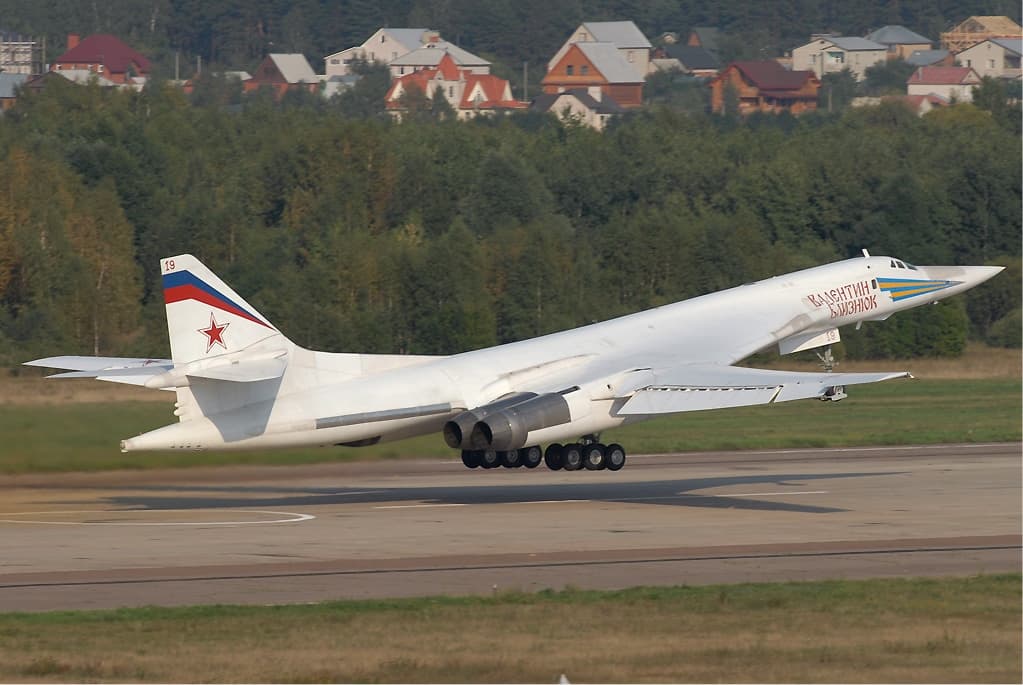
The latest patrol also fits Moscow’s broader effort to modernize strategic aviation. Recent reporting said Russia had confirmed six upgraded Tu-160Ms and three new Tu-160M2s, part of a parallel push to refresh existing aircraft and restart production at the Kazan Aircraft Production Association. For NATO planners, that combination of modernization, patrol tempo and refueling practice points to a force built to stay visible over the Arctic, keep allied air defenses engaged and reinforce Russia’s nuclear-capable posture along the edge of Europe.
This article was produced by Prism’s automated news system from verified source data, official records, and press releases, then run through automated quality and moderation checks before publishing. The system is built and supervised by the people who set the standards it runs under. Read our full AI policy.
Know something we missed? Have a correction or additional information?
Submit a Tip