Russia Launches Three Iranian Satellites, Deepening Space Cooperation
Russia launches three Iranian satellites into low Earth orbit today, a move Tehran calls evidence of expanding domestic satellite manufacturing and closer space ties with Moscow. The launches intensify cooperation between two countries under U.S. sanctions and prompt questions about the satellites' missions, payload weights and compliance with international restrictions.
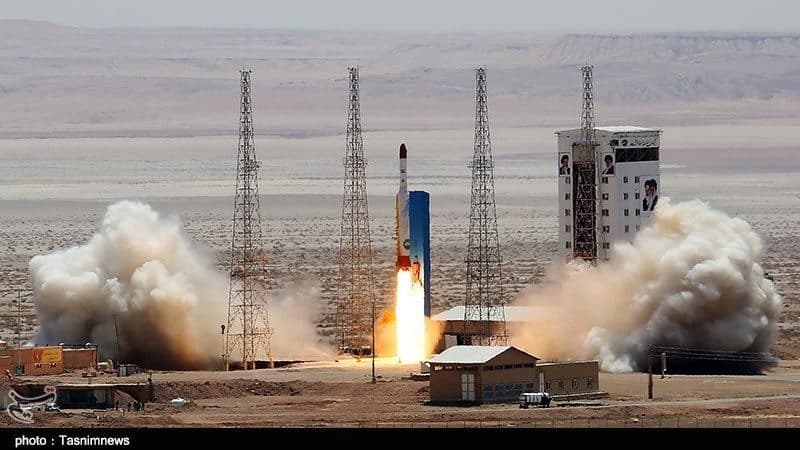
Russian Soyuz rockets place three Iranian satellites into low Earth orbit today from the Vostochny launch facility in eastern Russia, Iranian state media and officials say. The payloads were identified by Iranian outlets as Paya, Zafar 2 and Kowsar, and officials described the mission as part of expanding Iran Russia space cooperation and the development of Iran's satellite manufacturing and remote sensing capabilities.
Iranian authorities said the satellites will monitor agriculture, natural resources and the environment. Reported technical details indicate the spacecraft were inserted into an orbit roughly 500 kilometers above Earth. Paya is reported to weigh about 150 kilograms, making it the heaviest satellite Tehran has sent into orbit, and Kowsar is reported at about 35 kilograms. No confirmed mass was provided for Zafar 2. A small number of accounts described one of the payloads as a second Kowsar, leaving an unresolved naming discrepancy in early public reports.
Iranian state television and the Tasnim news agency framed the launch as a milestone. Iran's ambassador to Moscow said the flight was "a clear sign of Iran’s advances in satellite manufacturing and its expanding space cooperation with Russia despite sanctions and threats." Tasnim also noted that Tehran has conducted numerous launches in recent years, some independently and some in collaboration with Moscow.
The launches come amid growing strategic alignment between Iran and Russia, both of which face various U.S. sanctions. The United States condemned the flight, saying the launches violate a U.N. Security Council resolution and calling on Tehran to refrain from activities involving ballistic missiles capable of delivering nuclear weapons. United Nations restrictions tied to Iran's ballistic missile program expired in 2023, complicating the legal and diplomatic context for Washington's objections.
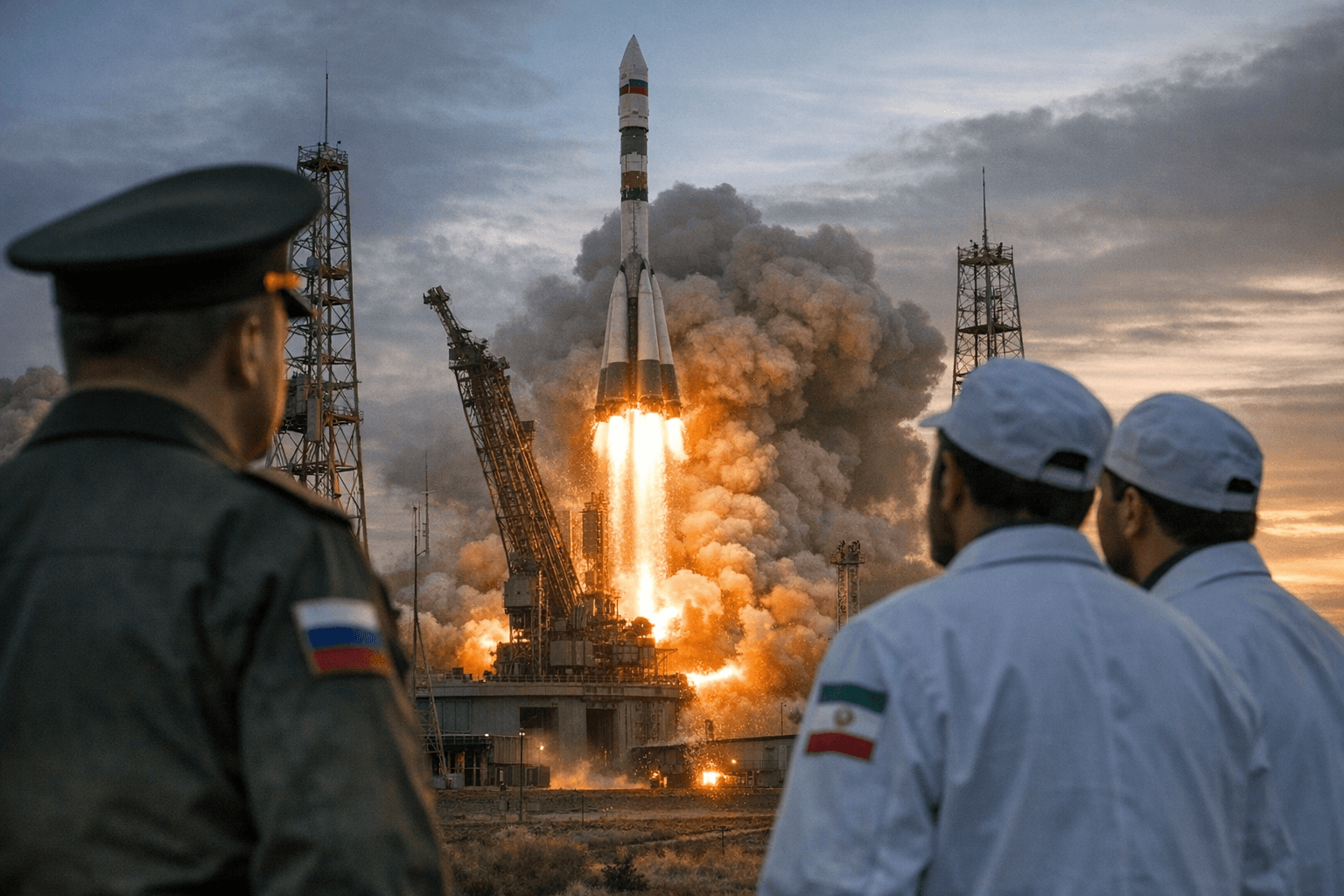
Public reporting on the mission mixes descriptions of the satellites as remote sensing craft with other outlets calling them communications satellites. Those characterizations have not been reconciled by Iranian officials or independent observers, leaving uncertainty about the full capabilities of the payloads. Independent tracking by outside space agencies or commercial operators has not yet been publicly released, and no formal statement from Russian launch authorities has clarified technical parameters beyond the broad orbital description.
Analysts say the flight underscores both nations' desire to boost indigenous space capabilities while signaling technological cooperation that can have wider military and geopolitical implications. Small satellites and remote sensing systems enhance civilian applications such as agriculture and disaster response, yet the same launch and guidance technologies can intersect with ballistic missile development, raising concern among Western policymakers.
Key questions remain for follow up reporting. Authorities need to confirm whether two distinct Kowsar craft were aboard, provide the mass and technical specifications for Zafar 2, and clarify whether the satellites include communications payloads, imaging sensors, or both. Independent orbital tracking data and an official Russian account of the launch would help resolve outstanding ambiguities and frame the longer term implications of deeper Iran Russia activity in orbit.
This article was produced by Prism’s automated news system from verified source data, official records, and press releases, then run through automated quality and moderation checks before publishing. The system is built and supervised by the people who set the standards it runs under. Read our full AI policy.
Did this article answer your question?