Russia sanctions bill raises fears of Trump tariff power over allies
A sanctions bill to hit Russia could let Trump tax allies’ goods at 100 percent, alarming lawmakers who fear collateral damage to India, Japan and Europe.
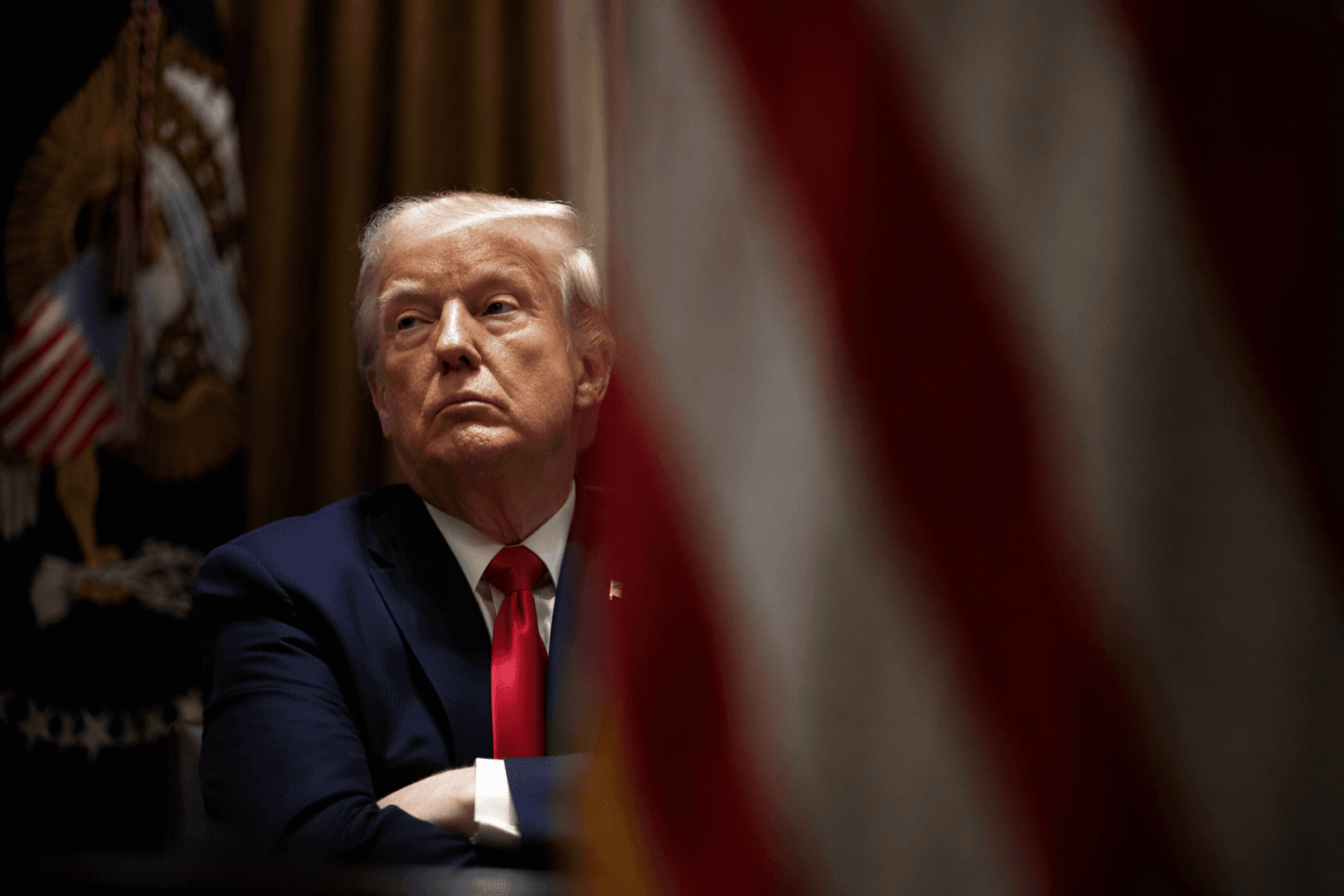
A revised Russia sanctions bill gave Donald Trump a possible new tariff weapon on allies just as Congress tried to tighten the screws on Moscow. The measure, released July 14 after senators and the Trump administration said they had reached agreement July 10, would authorize tariffs of up to 100 percent on the top five buyers of Russian oil and natural gas.
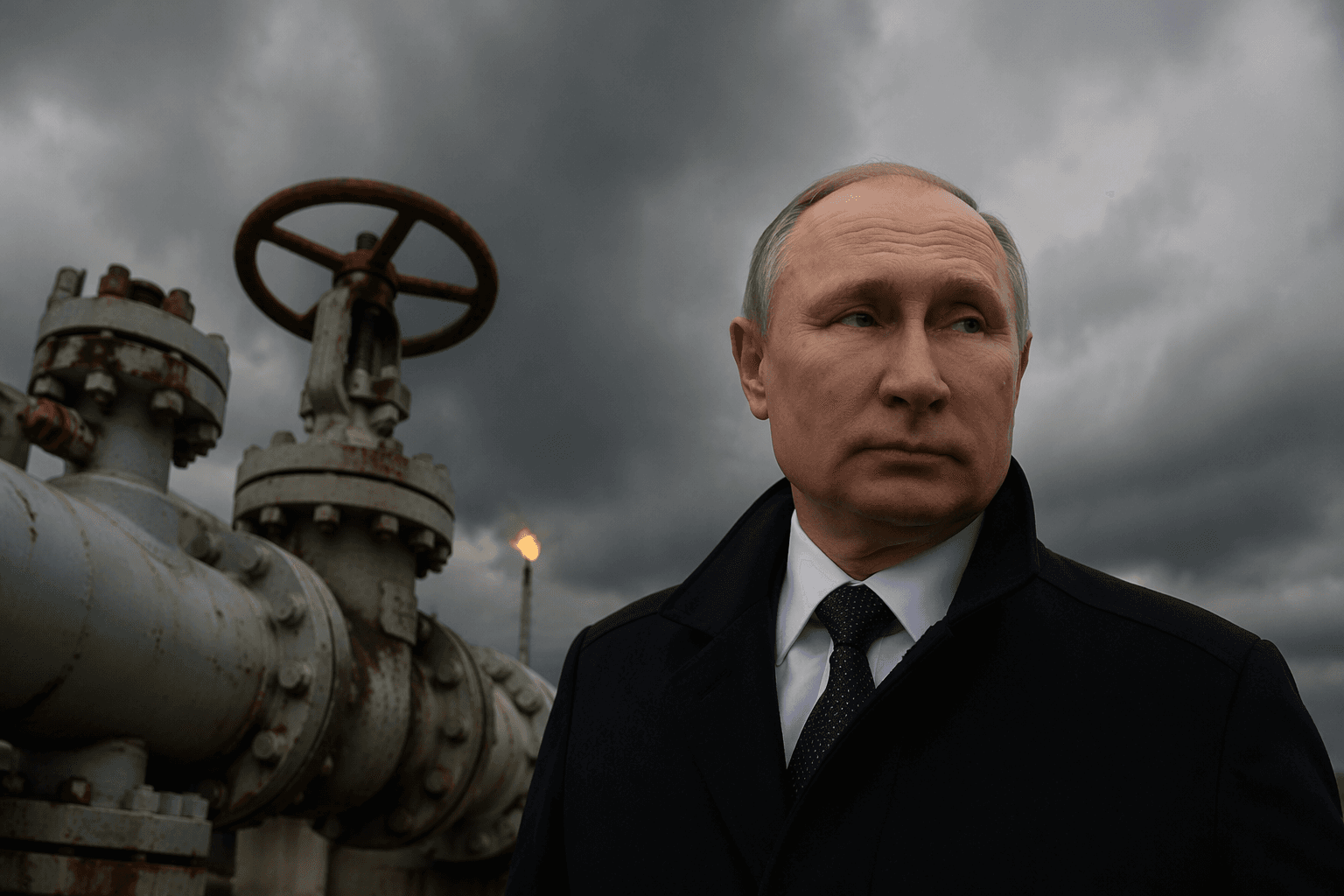
That design is the political fault line. The bill was built to choke off revenue that funds Vladimir Putin’s war in Ukraine, and it also targets Russia’s financial sector, energy industry and shadow fleet of aging vessels used to evade sanctions. But its secondary tariff threat could reach far beyond Russia, putting trade pressure on countries such as China, India, Slovakia, Hungary and Azerbaijan, with some versions of the text also carving out states that import less than 15 percent of Russia’s natural gas exports and are actively cutting those purchases.
The scope has unnerved Democrats and some other lawmakers because the bill would not simply punish Moscow. It would hand the president a fresh tool to impose trade measures on partners that continue buying Russian energy, including India, Japan and some European Union members. The earlier concept was far broader, with a proposed 500 percent tariff. Lawmakers cut that figure to 100 percent in an effort to make the package more workable, but the revised language still leaves the White House with leverage over major economies well beyond Russia’s orbit.
A presidential waiver is included, but it requires the administration to justify the exemption and certify to Congress that it is in the national interest. That safeguard has not erased concern that the tariff authority could become a bargaining chip in Trump’s hands, especially if future waivers are used selectively or if the top-five-buyer list shifts as energy trade changes.
The timing has added urgency. Lindsey Graham, who championed the legislation, died July 11, a day after the Senate Foreign Relations Committee said senators had reached an agreement with the Trump administration to move the bill forward. In Europe, the pressure campaign is still advancing from another direction: the Council of the European Union renewed its Russia economic sanctions until July 31, 2027, and the European Commission said its 20th sanctions package in April added stronger anti-circumvention and energy measures. The U.S. bill now sits at the intersection of those efforts, where sanctions on Russia and tariff power over allies have become harder to separate.
This article was produced by Prism’s automated news system from verified source data, official records, and press releases, then run through automated quality and moderation checks before publishing. The system is built and supervised by the people who set the standards it runs under. Read our full AI policy.
Did this article answer your question?