Russia Sharing Intelligence With Iran to Target U.S. Forces, Zelenskyy Says
Zelenskyy says Russia photographed a U.S. base three times before Iran attacked it, wounding troops, and offered to stop only if America cut Ukraine's intelligence.
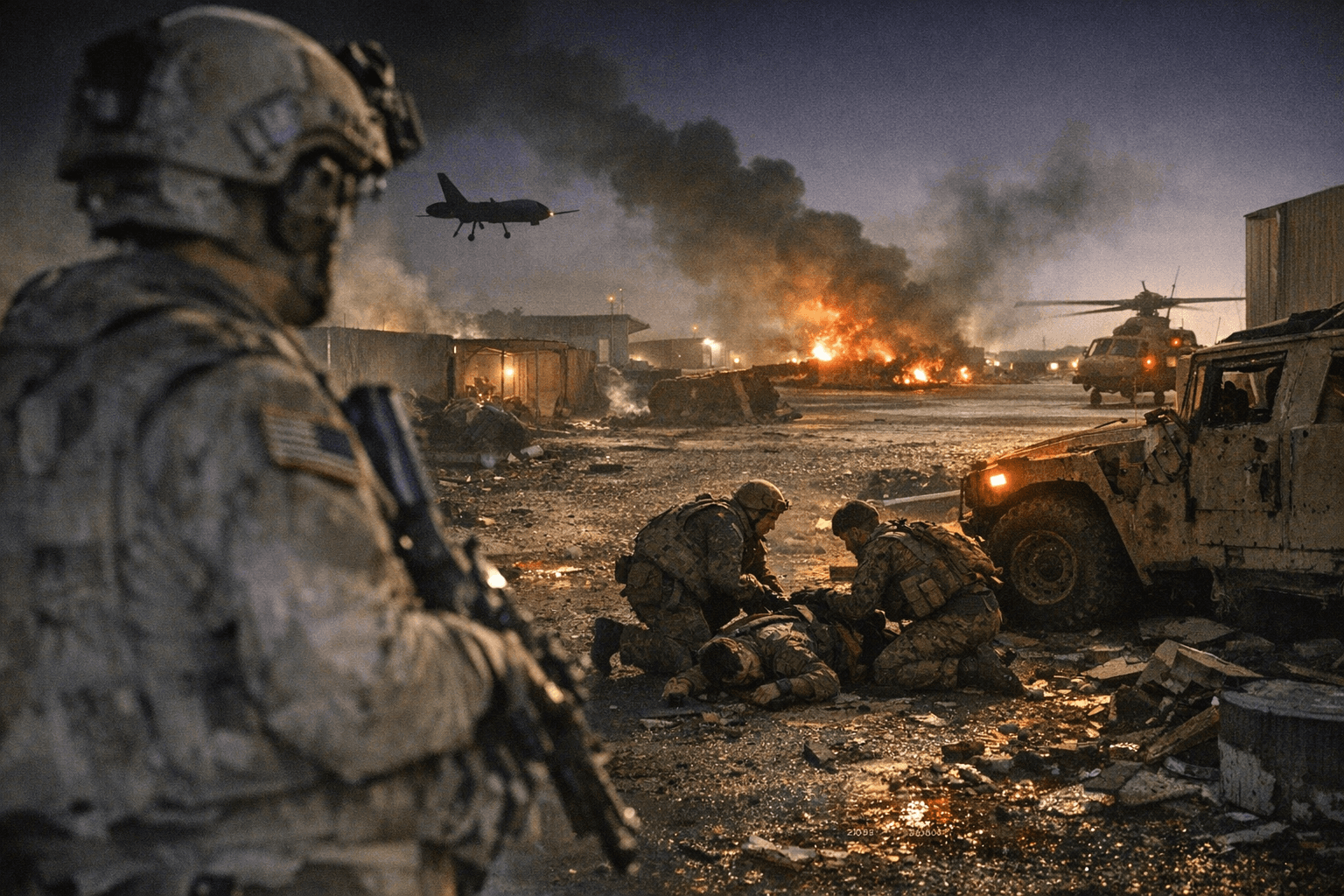
American troops had just been wounded at Prince Sultan Air Base in Saudi Arabia when Ukrainian President Volodymyr Zelenskyy, seated in Doha, Qatar for an interview on Saturday, opened the daily intelligence briefing he receives from Ukraine's spy agencies. What the document revealed pointed directly at Moscow: Russian satellites had swept that same base three times in the days before Iran struck it, collecting imagery on March 20, March 23, and March 25.
"I don't believe, I know, that they share information," Zelenskyy said. "Do they help Iranians? Of course. How many percent? One-hundred percent."
The allegation amounts to one of the most direct public accusations by an allied leader that Russia is enabling lethal attacks on American military personnel. Zelenskyy said Ukraine's military intelligence holds "irrefutable" evidence of the arrangement, describing the mechanics in specific terms: Russia is "using its own signals intelligence and electronic intelligence capabilities, as well as part of the data obtained through cooperation with partners in the Middle East."
Then came a claim that reframes the intelligence-sharing as calculated extortion. Zelenskyy said Moscow was dangling the cooperation as leverage, suggesting it would stop feeding Iran targeting data only if Washington cut off intelligence support to Kyiv. "I have reports from our intelligence services showing that Russia is doing this and saying: 'I will not pass on intelligence to Iran if America stops passing intelligence to Ukraine.' Isn't that blackmail? Absolutely," Zelenskyy said.
In posts on X following a separate interview with Le Monde, he pressed the point further: "Russia has been sharing intel regardless, but they are presenting it as a bargaining chip in this game."
The timeline at Prince Sultan Air Base illustrates the stakes. Russian satellites swept the facility on March 20, March 23, and March 25. Iran attacked the site after the third pass, wounding American troops. Zelenskyy's presentation of those dates was not the first public signal: four sources with direct knowledge of the matter had already confirmed that Russia was providing Iran with intelligence on U.S. force locations in the Middle East, consistent with his allegations.
Some of the Iranian drones used in attacks on U.S. forces and Gulf allies have also contained Russian components, Zelenskyy said. The Kremlin had previously dismissed reporting that Russia was sharing satellite imagery and improved drone technology with Iran as "fake news."
Russia's Foreign Minister Sergey Lavrov denied providing Tehran with intelligence in an interview with French media, while acknowledging that Moscow has sent military equipment to Iran under their long-standing military alliance. Washington confirmed it had received a direct denial from Moscow when the issue was raised.
Zelenskyy said the consequences reach past any single airbase. "Markets are already reacting negatively and this is significantly complicating the fuel situation in many countries. By helping the Iranian regime survive and strike more accurately, Russia is effectively prolonging the war," he said. "This is clearly destructive activity and must be stopped as it only leads to further destabilisation."
His appearance in Doha was part of a broader Gulf tour aimed at converting Ukraine's battlefield experience into defense partnerships. Zelenskyy said Kyiv is deepening cooperation with Saudi Arabia, Qatar, the United Arab Emirates, Bahrain, Jordan, and Kuwait, and that Ukrainian expert teams are already deployed in parts of the region, helping partners assess air defense gaps and share lessons from years of countering Russian Shahed drone swarms. He hoped to lock in long-term agreements that would fund production of Ukrainian drone interceptors or secure badly needed air-defense missiles for Kyiv.
If the intelligence picture Zelenskyy presented holds up, the war in Ukraine and the conflict in the Middle East are no longer parallel emergencies. They are being prosecuted, at least in part, through the same targeting network.
Know something we missed? Have a correction or additional information?
Submit a Tip

