Russia strikes Zaporizhzhia, Dnipro and Kramatorsk, killing at least 21
Zaporizhzhia, Dnipro and Kramatorsk were hit hours before a planned ceasefire, leaving at least 21 dead and showing how little room diplomacy had.

Four guided aerial bombs and drones tore into Zaporizhzhia, while missiles and bombs struck Dnipro and Kramatorsk in a wave of attacks that left at least 21 people dead across Ukraine and undercut any immediate hope of a ceasefire.
The heaviest toll came in Zaporizhzhia, where regional and emergency officials said 12 people were killed and 37 injured. Ukraine’s State Emergency Service and the Zaporizhzhia City Council said the city was hit by four guided aerial bombs and drones. In Kramatorsk, aerial bombs hit the city center, killing at least five people and injuring at least 13. In Dnipro, at least four people were killed in missile strikes that also set an industrial facility on fire.
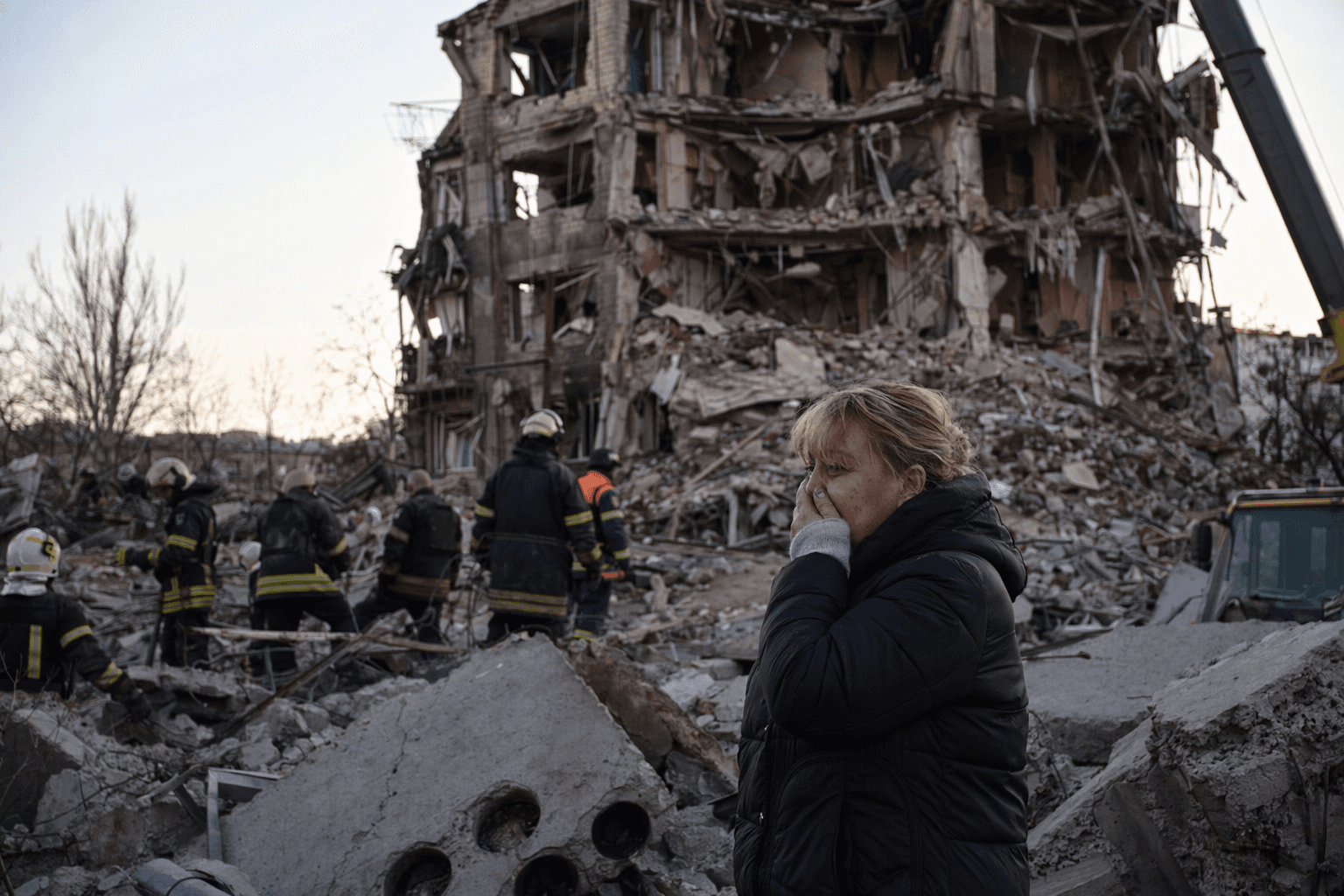
The attacks came on May 5, just hours before a Ukrainian-suggested ceasefire was due to begin at midnight on May 6. Moscow had separately proposed a May 8-9 ceasefire tied to its World War II Victory Day commemorations. Instead of signaling restraint, the strikes hit civilian neighborhoods and public spaces in several cities at once, stretching emergency crews, air defenses and medical teams across the east and southeast.
Volodymyr Zelensky said the Zaporizhzhia strike had “absolutely no military justification” and called on allies to denounce it. Ukrainian Foreign Ministry officials, including Andrii Sybiga, said the attacks showed Russia was intensifying pressure rather than preparing to halt hostilities. Ukrainian officials said at least 70 people were wounded nationwide, and later tallies pushed the death toll as high as 26 or 27 as additional fatalities were counted in places including Poltava.
The pattern of strikes mattered as much as the raw casualties. Hitting Zaporizhzhia, Dnipro and Kramatorsk in the same wave forced Ukraine to contend with multiple fire scenes, damaged infrastructure and a broader strain on air defense systems already working to intercept repeated attacks. It also reinforced the message from Kyiv that Russia was choosing escalation over de-escalation, even as ceasefire language circulated around Victory Day.
For civilians in Zaporizhzhia, the Donetsk region and Dnipro, the immediate result was more funerals, more wounded and another night shaped by air-raid sirens and explosions. For diplomacy, the day left a narrower opening than before. The strikes made any near-term truce harder to imagine and showed how far apart the two sides remained on the basic question of whether the battlefield would be quieted, even briefly.
This article was produced by Prism’s automated news system from verified source data, official records, and press releases, then run through automated quality and moderation checks before publishing. The system is built and supervised by the people who set the standards it runs under. Read our full AI policy.
Did this article answer your question?