Russia Threatens Full Ban on WhatsApp, Escalates Platform Controls
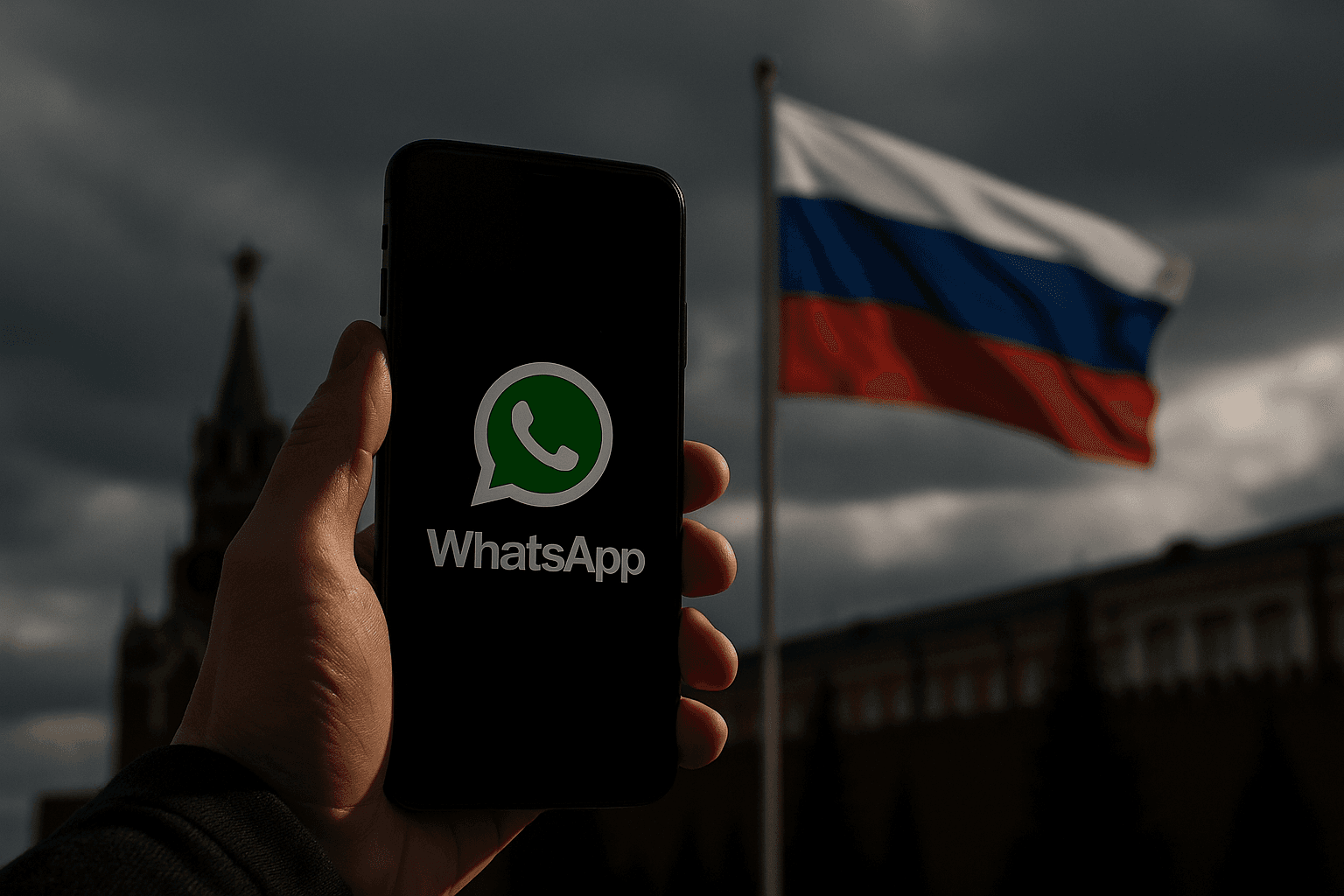
Russia's communications regulator has warned it could fully block WhatsApp if the service does not comply with domestic legal demands, a move that would affect millions of users and reshape digital communications inside the country. The threat follows earlier restrictions on calling functions and comes as Moscow promotes a state backed alternative, raising concerns about secure access to health services, privacy, and equity.

Russia’s communications regulator Roskomnadzor announced on November 28 that it could move to fully block WhatsApp if the messaging platform does not meet requirements under Russian law. The authority repeated long standing claims that WhatsApp and other foreign messaging services have failed to cooperate with demands to help combat fraud and terrorism, and noted that limitations on some calling functions were already introduced in August.
Interfax reported Roskomnadzor’s statement that a total block is possible if noncompliance continues, and Reuters coverage cited government sources and Interfax reporting on the escalation. WhatsApp, owned by Meta, has accused Moscow of seeking to curb secure communications for millions of users. Russian authorities are promoting a domestic, state backed alternative called MAX as part of a broader regulatory push against Western owned communication platforms.
The potential loss of WhatsApp would have immediate public health implications. Health providers, community outreach programs, mental health counselors, and informal care networks in Russia often rely on encrypted messaging to communicate with patients, share test results, coordinate treatment and provide psychosocial support. For rural residents, elderly people, people with disabilities, and others who lack reliable access to traditional health infrastructure, encrypted messaging can be a lifeline for telemedicine consultations and for arranging urgent care.
Blocking a widely used platform would also raise equity concerns. A state backed alternative may not offer the same level of encryption or privacy protections, which could deter people from seeking care for stigmatized conditions, reporting gender based violence, or participating in peer support groups. Vulnerable populations who depend on secure, private channels to contact counselors, social services and legal aid would face increased risk if platforms they trust become inaccessible or subject to surveillance.
Public health communication could suffer more broadly. Authorities and nongovernmental organizations that currently use WhatsApp for outreach and health promotion would face disruption, creating gaps that could be exploited by misinformation networks. Curtailing secure communications risks pushing sensitive conversations to less safe channels or to in person meetings that pose barriers for those with mobility or time constraints.
Policy experts view the move as part of Moscow’s pursuit of digital sovereignty, which includes laws demanding cooperation from foreign tech companies and data localization measures. The threat to block WhatsApp underscores the growing tension between national security claims and global norms around privacy and end to end encryption. It also places pressure on tech companies to choose between complying with demands that may weaken user privacy or losing access to a large user base.
For millions of Russian users the stakes are immediate. The coming days will reveal whether WhatsApp seeks to adapt to Russia’s requirements, whether Roskomnadzor follows through on a full block, and how quickly users and health networks might migrate to alternatives. The outcome will shape not only the digital landscape but the ability of communities to access confidential health care and social supports in an already unequal system.
This article was produced by Prism’s automated news system from verified source data, official records, and press releases, then run through automated quality and moderation checks before publishing. The system is built and supervised by the people who set the standards it runs under. Read our full AI policy.
Did this article answer your question?

