Russian front-line troops face survival times of just minutes, report says
Russian troops may last only 20 to 35 minutes once sent into front-line combat, while Moscow pays to replace them fast.
Russian troops reaching some parts of Ukraine’s front lines may survive only 20 to 35 minutes once they are sent into combat, a stark measure of how heavily the war is now being driven by attrition. The estimate has not been independently verified, but it has become a marker of the battlefield’s extreme lethality.
Peter Frankopan, a University of Oxford professor of global history, wrote that Russian military bloggers are using the figure to describe time spent in frontline combat positions after deployment. He also said a newly recruited Russian soldier’s life expectancy, from arrival at a training ground to death in combat, may be only 10 days to three weeks.
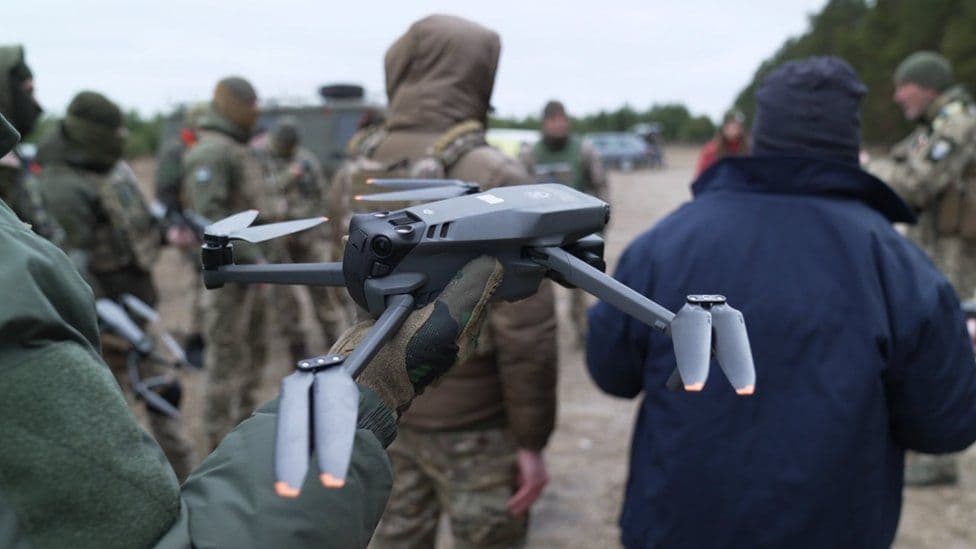
The claim has circulated through pro-war military bloggers and Telegram Z-channels, and the Ukrainian ASTRA channel amplified it. The explanation attached to the figure is blunt: Ukraine’s drone warfare and high-intensity infantry assaults are shredding exposed Russian units as soon as they reach the front.
Frankopan wrote that Russian monthly casualties are running at more than 30,000 in 2026, a pace that helps explain why Moscow has leaned so hard on cash and debt relief to keep enlistment moving. Recruitment incentives reported in the coverage include sign-up bonuses as high as $80,000, along with debt relief worth up to 10 million rubles, or about $140,000, for new recruits and their spouses under a decree signed by Vladimir Putin on May 26.
The debt relief applies to Russians who sign minimum one-year contracts to serve in Ukraine after May 1, a sign that the Kremlin is trying to widen the pool of men willing to take the risk. That push comes as Ukraine’s General Staff says Russian personnel losses had reached about 1,368,040 by June 3, including 1,130 losses reported on June 2.
Taken together, the reported survival window, the casualty rate and the recruitment incentives point to a Russian force being sustained through rapid replacement rather than force preservation. The war, now deep into its fourth year since the full-scale invasion on February 24, 2022, is exacting its cost in minutes at the front and in tens of thousands of losses each month.
This article was produced by Prism’s automated news system from verified source data, official records, and press releases, then run through automated quality and moderation checks before publishing. The system is built and supervised by the people who set the standards it runs under. Read our full AI policy.
Did this article answer your question?