Russian Patent Seeks to Adapt Tank APS to FPV Drone Threats
A Russian patent filed by the Kolomna Design Bureau of Mechanical Engineering proposes adapting vehicle Active Protection Systems to detect and engage FPV-style attack drones as well as conventional munitions. The move signals a shift from improvised anti-drone fixes to integrated algorithmic counter-drone layers on armor, with likely downstream effects on sensors, RF/EO tech, and civilian regulation that matter to the drone racing community.
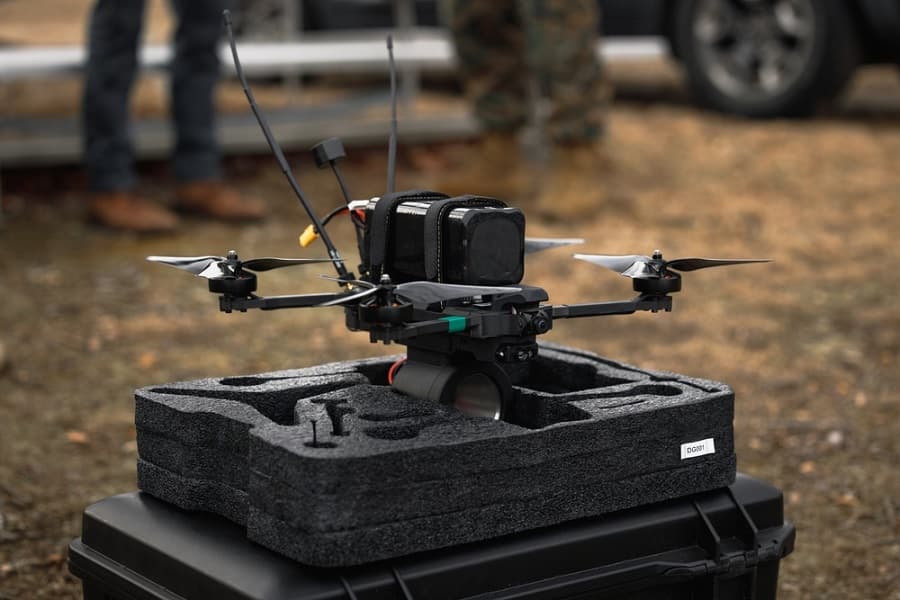
The Kolomna Design Bureau of Mechanical Engineering (KBM) filed and registered a patent registered as No. 2853544, with validity starting 23 May 2025, that describes adapting vehicle Active Protection Systems (APS) to detect and engage both FPV-style attack drones and conventional munitions. The filing frames small, low-cost unmanned platforms as a persistent battlefield threat and proposes integrating detection and defeat chains into tank protection suites rather than relying on ad hoc measures.
This patent reflects battlefield lessons learned in recent conflicts, where fast, maneuverable FPV drones have proven able to strike or harass armored vehicles and are difficult to counter with traditional APS designed for rockets and shells. KBM’s filing points toward a broader trend: shifting from improvised local countermeasures toward algorithmic layers that fuse sensors, radio-frequency detection, and electro-optical tracking to identify and prioritize small unmanned aerial threats alongside conventional projectiles.
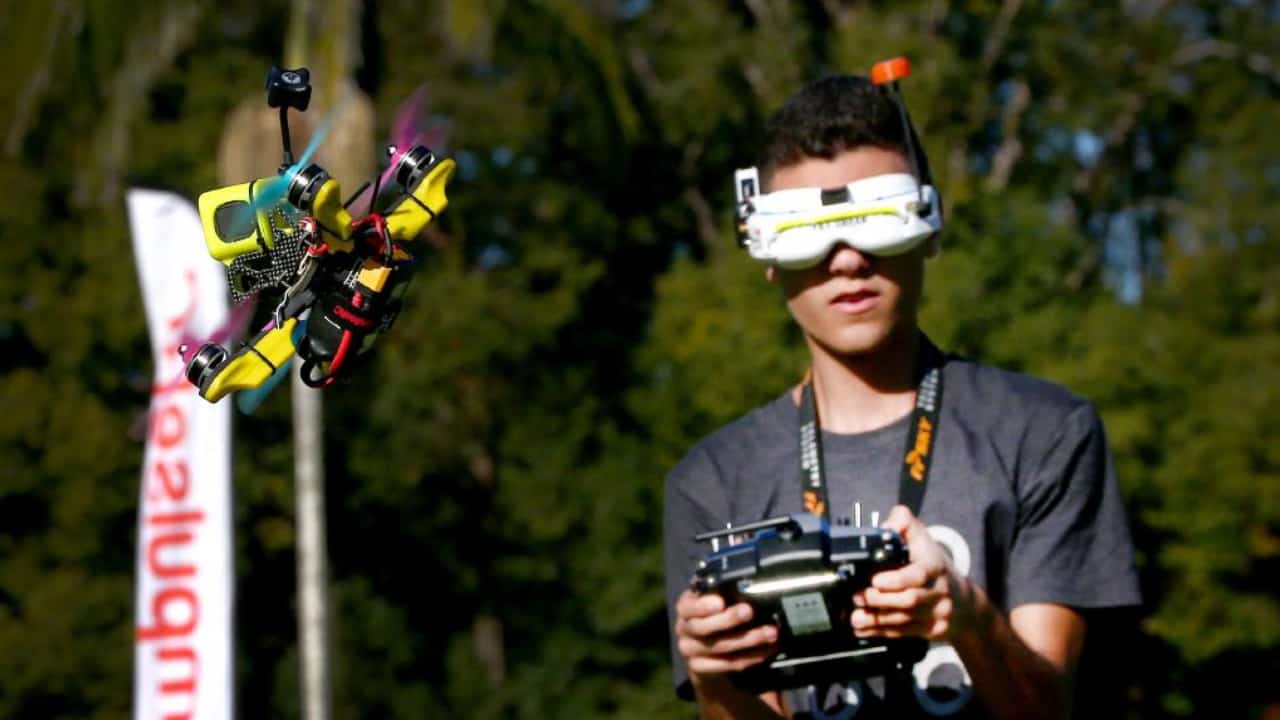
For the drone racing community, that shift is practical and immediate. A widened military focus on small FPV platforms will accelerate development of compact sensors, counter-UAS systems, and RF/EO toolsets. Those technologies can trickle into civilian markets, altering the availability and capability of detection gear, but they also carry regulatory and airspace implications. Expect pressure for stricter spectrum management, expanded no-fly zones near training areas, and increased testing of jamming and geofencing technologies that could affect legitimate racing operations.

Takeaways for pilots and event organizers are concrete. Keep clear records of frequencies and equipment, verify local airspace restrictions before flying, and avoid operating near military facilities or training ranges where new countermeasures may be deployed. Maintain visual line of sight and ensure event insurance and waivers reflect local regulatory realities. Monitor local communications about RF interference and be prepared for temporary restrictions or testing that could disrupt race timing systems or video links.
The KBM patent marks a turning point in how armored platforms may address the FPV challenge. For racers and builders, that turning point means both opportunities—new sensors and robust avoidance systems—and responsibilities, as civilian operations navigate an environment where military-grade counter-UAS capabilities are advancing rapidly.
Sources:
Know something we missed? Have a correction or additional information?
Submit a Tip