Russian satellites maneuver near ICEYE radar satellite, raising surveillance concerns
Four Russian satellites shifted course near an ICEYE radar craft, a maneuver that sharpened fears that commercial space systems can be tracked, shadowed or disabled.
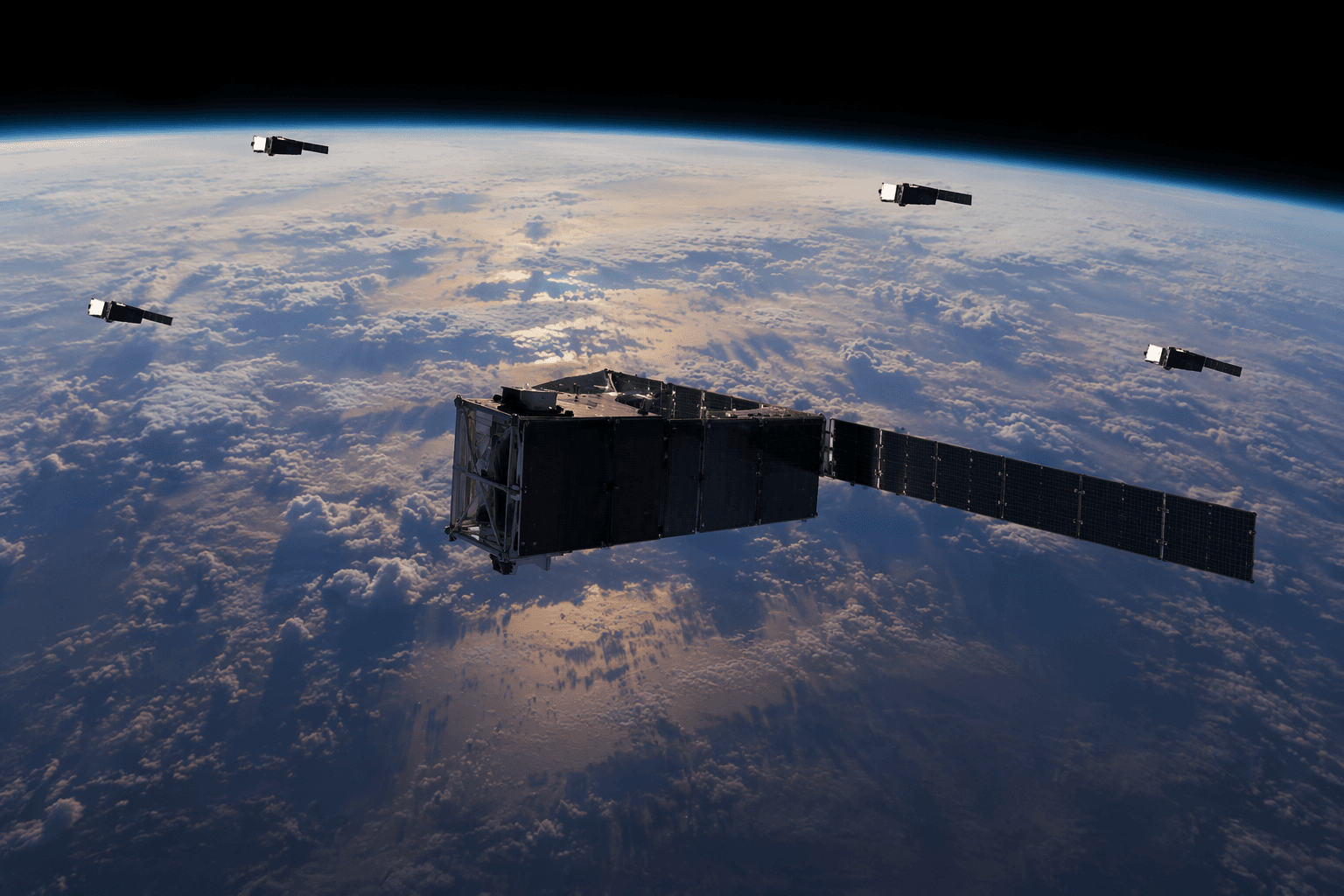
Four Russian satellites have maneuvered into a position that put an ICEYE radar satellite in their reach, a reminder that commercial space infrastructure is now operating in the same contested orbit as military assets. The Russian spacecraft, designated Kosmos 2610 through Kosmos 2613, launched together on April 16, 2026, aboard a Soyuz-2.1b rocket from Plesetsk Cosmodrome in northern Russia.
Over about a week, the four satellites changed inclination by less than a degree, a small but telling adjustment that made them appear capable of approaching another spacecraft. That kind of proximity operation is not routine for satellites carrying out ordinary missions, and it has intensified concern that civilian satellites can be treated as objects to be inspected, shadowed or threatened in ways that civilian users never intended.
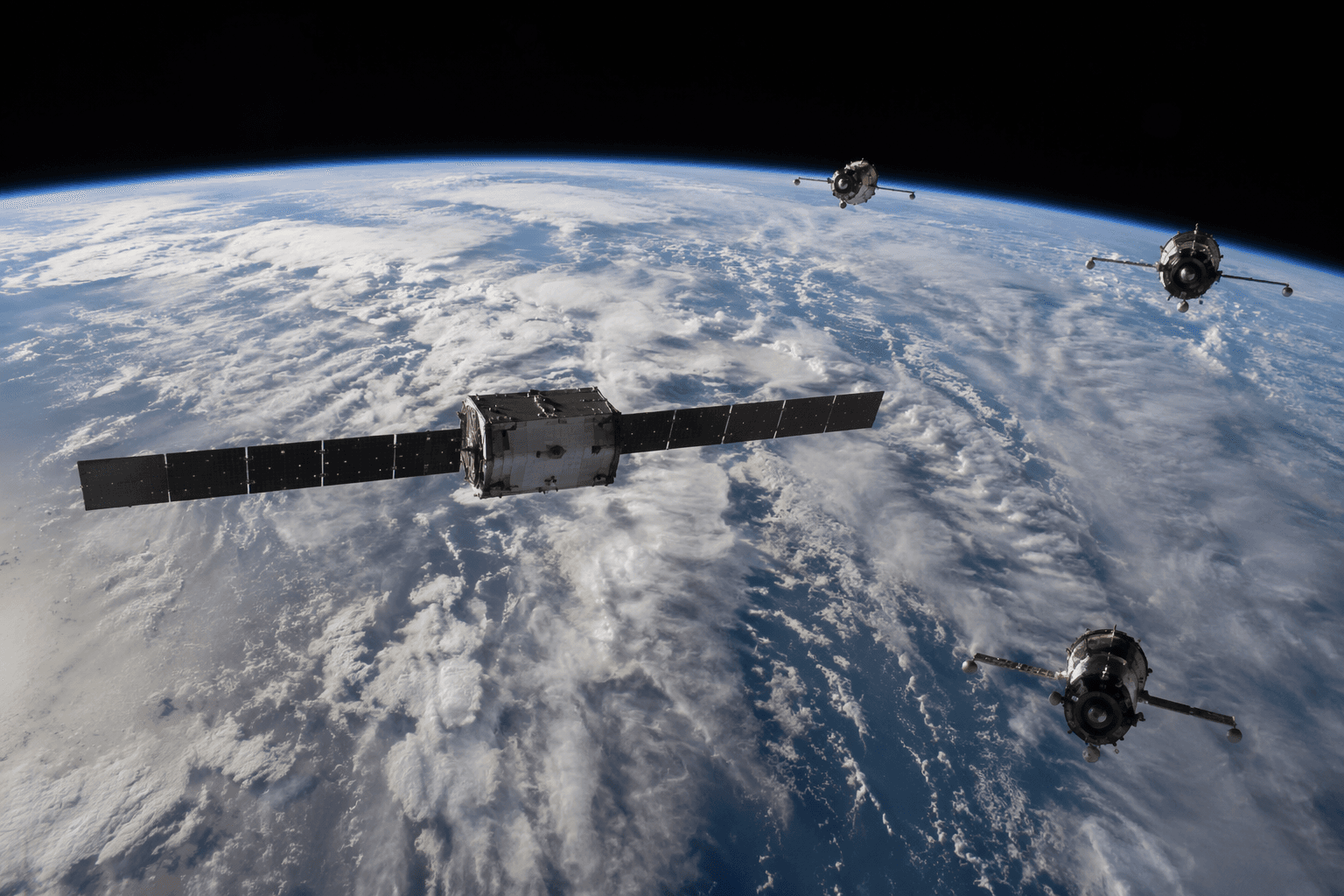
The target in this case, ICEYE, is a Finnish company that says it operates the world’s largest synthetic aperture radar constellation. Its radar satellites can image through clouds and darkness, giving governments and militaries a persistent view of the ground below. ICEYE has said its systems have been validated in active conflict and that they directly support strike planning and force protection.
That military value has made ICEYE an especially important partner for Ukraine since Russia’s full-scale invasion in 2022. On August 18, 2022, ICEYE signed a contract with the Serhiy Prytula Charity Foundation to provide the Government of Ukraine access to one of its satellites already in orbit. ICEYE said it would operate the satellite while Ukraine received the capability, and the company later said it continued to provide access to its wider constellation. Ukrainian officials credited the system with immediate battlefield value. Oleksiy Reznikov, then Ukraine’s defense minister, said more than 60 units of military equipment were discovered in the first two days of the satellite’s operation.
The partnership deepened in July 2024, when ICEYE and Ukraine’s Defense Ministry signed a memorandum to strengthen Ukraine’s space capabilities. ICEYE later said in 2026 that it had expanded its partnership with the Ministry of Defence of Ukraine. That history gives the Russian maneuver more than symbolic weight: a commercial satellite that helps supply wartime intelligence can become part of the target set in a broader campaign of intimidation, surveillance and counter-surveillance.
The larger warning is practical. If a private Earth-observation satellite is disabled, the immediate damage is not only to one company’s business. It can interrupt disaster response, military reconnaissance and civilian monitoring at once. Yet the norms governing hostile maneuvers in orbit remain weak, and the responsibility for deterring them is still blurred between states, commercial operators and the military forces that increasingly depend on both.
This article was produced by Prism’s automated news system from verified source data, official records, and press releases, then run through automated quality and moderation checks before publishing. The system is built and supervised by the people who set the standards it runs under. Read our full AI policy.
Did this article answer your question?