Russia's Volodin visits North Korea for troops memorial honoring Ukraine war dead
Volodin’s memorial visit turned North Korea’s war support into a public alliance. The ceremony showed Moscow and Pyongyang are deepening a partnership with implications far beyond Ukraine.
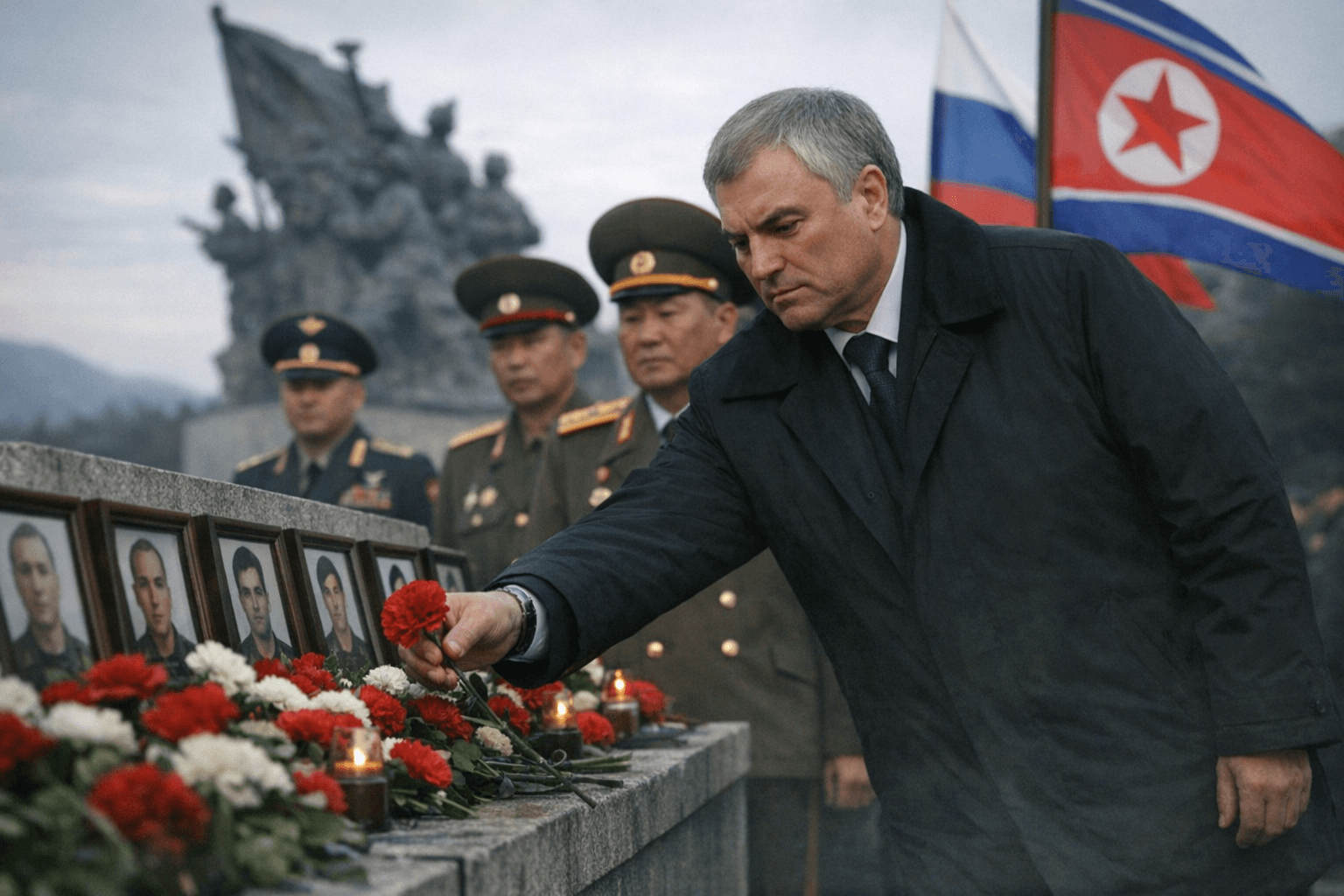
Vyacheslav Volodin’s trip to Pyongyang turned North Korea’s role in Russia’s war in Ukraine into a public act of alliance, with a new memorial museum honoring North Korean troops killed fighting for Moscow at the center of the visit. The ceremony gave the Kremlin and Kim Jong Un’s government a chance to show that their cooperation is no longer limited to quiet battlefield support.
North Korean state media said Volodin was in the capital to attend the opening of the museum, and he was welcomed by Jo Yong-won, chairman of the Standing Committee of North Korea’s Supreme People’s Assembly and one of Kim Jong Un’s closest political confidants. The setting mattered as much as the event itself. By placing Russia’s parliamentary speaker beside senior North Korean officials at a memorial for soldiers killed in Ukraine, Pyongyang signaled that its involvement in the war is now being publicly celebrated, not hidden.
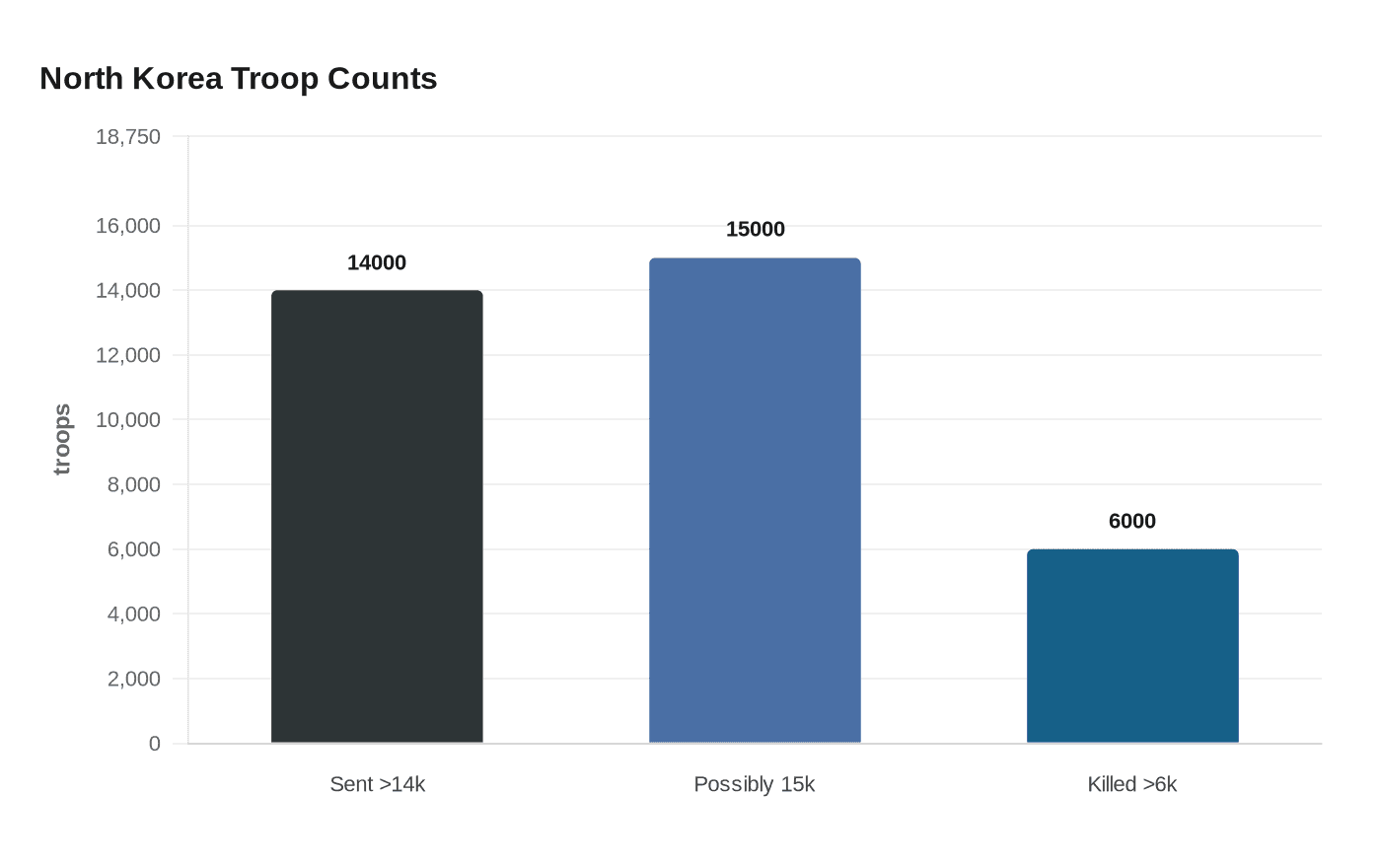
The visit also sharpened attention on the scale of North Korea’s military backing for Russia. South Korean, Ukrainian and Western officials have said Pyongyang has sent more than 14,000 troops, and possibly 15,000, to support Russian forces. Those same officials have said more than 6,000 North Korean troops may have been killed. North Korea has also been reported to have supplied missiles and munitions, broadening the relationship beyond manpower and into direct wartime logistics.
The military ties accelerated after Kim Jong Un and Vladimir Putin signed a comprehensive strategic partnership treaty in Pyongyang on June 18, 2024. The agreement includes a mutual military-assistance clause if either side faces aggression, a provision Russian officials have used to justify closer cooperation. North Korea’s announcement on April 3 that it would hold an April ceremony to bury the remains of soldiers killed overseas alongside Russia against Ukraine showed how deeply the war has been folded into state messaging.
For Washington, Seoul and Tokyo, the implications reach well beyond the battlefield. The United States, South Korea and Japan have condemned the DPRK-Russia military cooperation as a violation of multiple United Nations Security Council resolutions, and U.S. officials have warned that the relationship is deepening military, political and economic ties that threaten stability in Northeast Asia and Europe. For Moscow, the partnership offers a way to show it is not isolated under sanctions. For Pyongyang, it brings diplomatic attention, potential economic gain and a louder role in anti-Western politics, making the war in Ukraine a vehicle for a broader strategic realignment.
This article was produced by Prism’s automated news system from verified source data, official records, and press releases, then run through automated quality and moderation checks before publishing. The system is built and supervised by the people who set the standards it runs under. Read our full AI policy.
Did this article answer your question?