Rutgers study links Ozempic, Wegovy use to lower violence risk
Rutgers researchers found current GLP-1 users showed a weaker link between impulsivity and violent behavior, an early signal, not proof, of a criminal-justice effect.
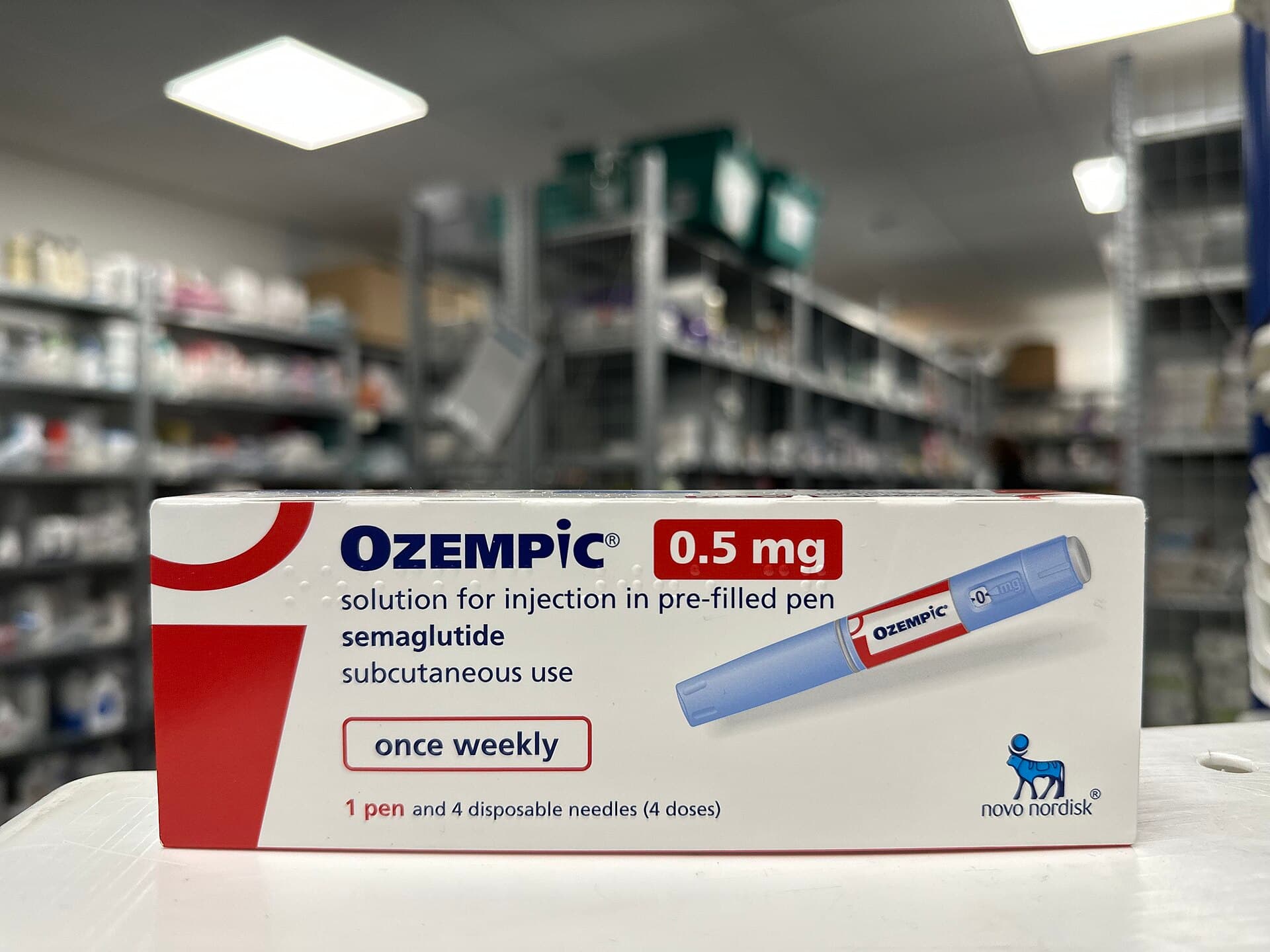
A Rutgers study has found that current users of Ozempic- and Wegovy-type drugs showed a weaker link between impulsivity and violent behavior than former users, an unexpected result that points more to impulse control than to any “violence treatment” effect. The finding comes from an observational analysis of 7,521 U.S. adults and adds a provocative question to the debate over GLP-1 drugs: whether medications built for obesity and diabetes may also affect behavior tied to reward and self-regulation.
The research, published in Criminology on June 17, 2026, focused on 821 adults who had ever used a GLP-1 medication. Rutgers researchers examined whether GLP-1 receptor agonists influenced violent criminal behavior by changing how impulsivity and alcohol use translated into action. The main signal was strongest for impulsivity: among current users, the link between impulsive tendencies and violent behavior was substantially weaker than among former users. One summary of the findings put that difference at about 62 percent. The alcohol-violence link was also weaker among current users, though the result was less consistent, and one report described it as about 52 percent weaker.

Daniel Semenza, the lead author and research director at the New Jersey Gun Violence Research Center at Rutgers School of Public Health, framed the question as a public health and criminology issue, not a clinical claim that these drugs should be used to curb violence. The study used a validated self-reported offending scale that included fighting, assault and robbery, but it did not prove that the medication caused the lower risk. It identified an association that could still reflect other differences between current users, former users and people who had never taken the drugs.
Christopher Thomas, a Rutgers criminal justice professor and co-author, said the pattern was consistent with the medications acting on the path from impulse to action rather than eliminating impulsivity itself, much as cognitive behavioral therapy seeks to interrupt harmful behavior before it starts. That interpretation fits a broader scientific question now circling GLP-1 drugs: whether their effects on appetite, craving and reward processing may spill into mood, addiction, substance use and other compulsive behaviors.
For now, the Rutgers result is best read as an early signal. It does not establish a cause-and-effect link, and it does not justify treating GLP-1 drugs as a response to violence. What it does suggest is that a class of medications once discussed mainly in terms of weight and blood sugar may be altering some of the same psychological pathways that shape how people act on impulse.
This article was produced by Prism’s automated news system from verified source data, official records, and press releases, then run through automated quality and moderation checks before publishing. The system is built and supervised by the people who set the standards it runs under. Read our full AI policy.
Did this article answer your question?


