Rutte Says Europe Is Moving Faster to Meet NATO Base Agreements
Rutte said Europe had “heard the message” from Trump, as Germany faced a 5,000-troop drawdown and NATO allies raced to prove they can carry more of the burden.
NATO Secretary General Mark Rutte said European governments had heard President Donald Trump’s message and were moving faster to make sure military base agreements were actually being carried out, a sign that alliance burden-sharing is shifting from rhetoric to pressure-tested practice.
Speaking at the European Political Community summit in Yerevan, Armenia, Rutte cast the change as a broader adjustment inside NATO. “Europeans are stepping up - a bigger role for Europe in a stronger NATO,” he said in a transcript later posted by NATO. He added that Europeans had “heard the message” from Trump and were making sure bilateral basing agreements were implemented, while allies had also decided to pre-position key assets closer to the theater for the next phase after listening to Trump last year in The Hague.
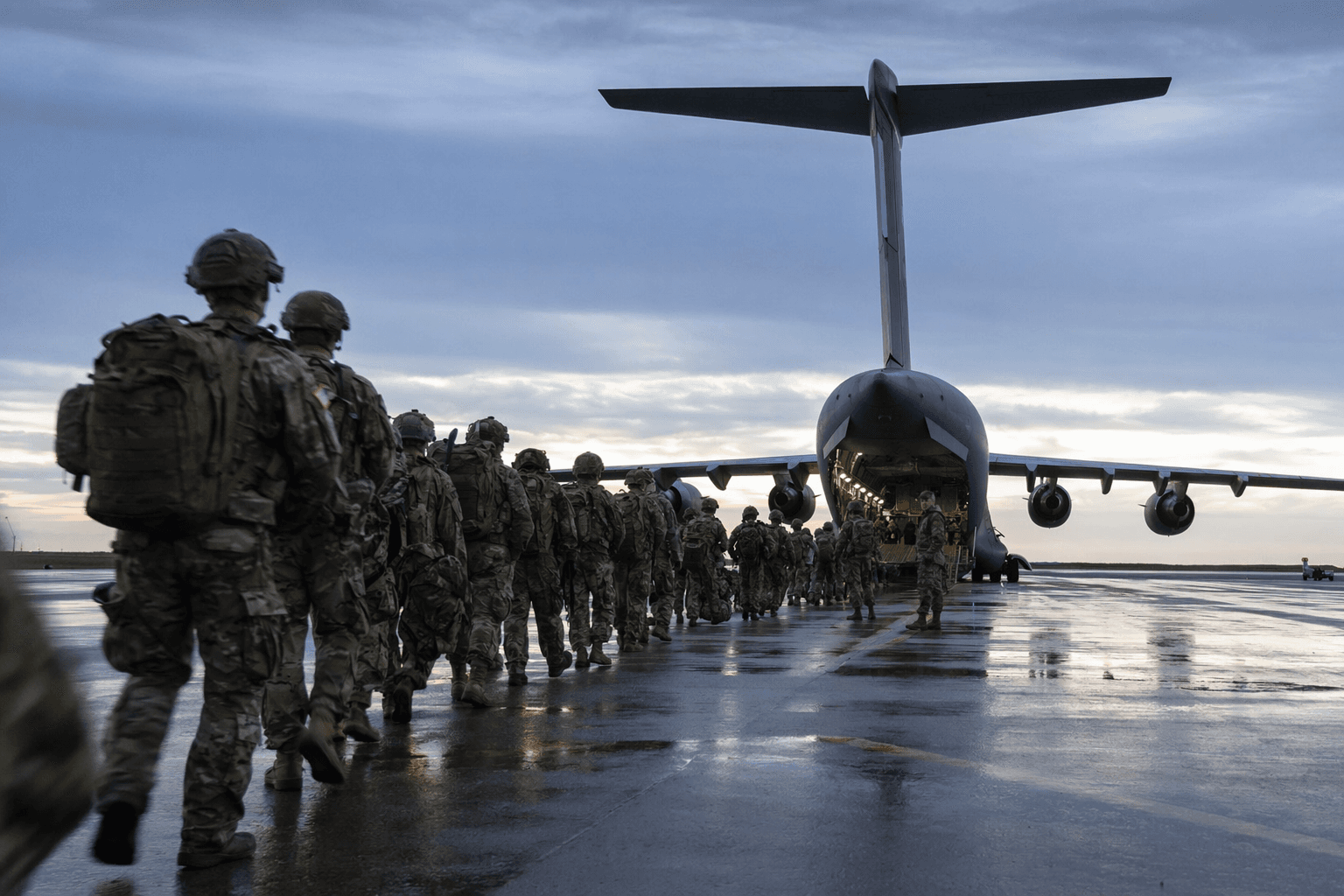
The comments came just days after the Pentagon announced that about 5,000 U.S. troops would be withdrawn from Germany over six to 12 months. The move, which officials said would affect a long-range fires battalion scheduled to deploy later this year, was the latest sign of strain tied to the Iran war and to Trump’s broader insistence that European allies do more. Germany hosts more than 35,000 U.S. service members, so even a partial drawdown would be a meaningful change in the U.S. footprint on the continent. Trump said on May 2 that the United States would cut its troop presence in Germany even further than 5,000.
European officials moved quickly to frame the drawdown as a warning and a test. Kaja Kallas said the timing of the announcement came as a surprise. German Defence Minister Boris Pistorius said the move should spur Europe to strengthen its own defenses. Chancellor Friedrich Merz has also tried to keep military cooperation with Washington on track despite the dispute, underscoring how much Berlin still depends on the American guarantee even as pressure builds to show more self-reliance.
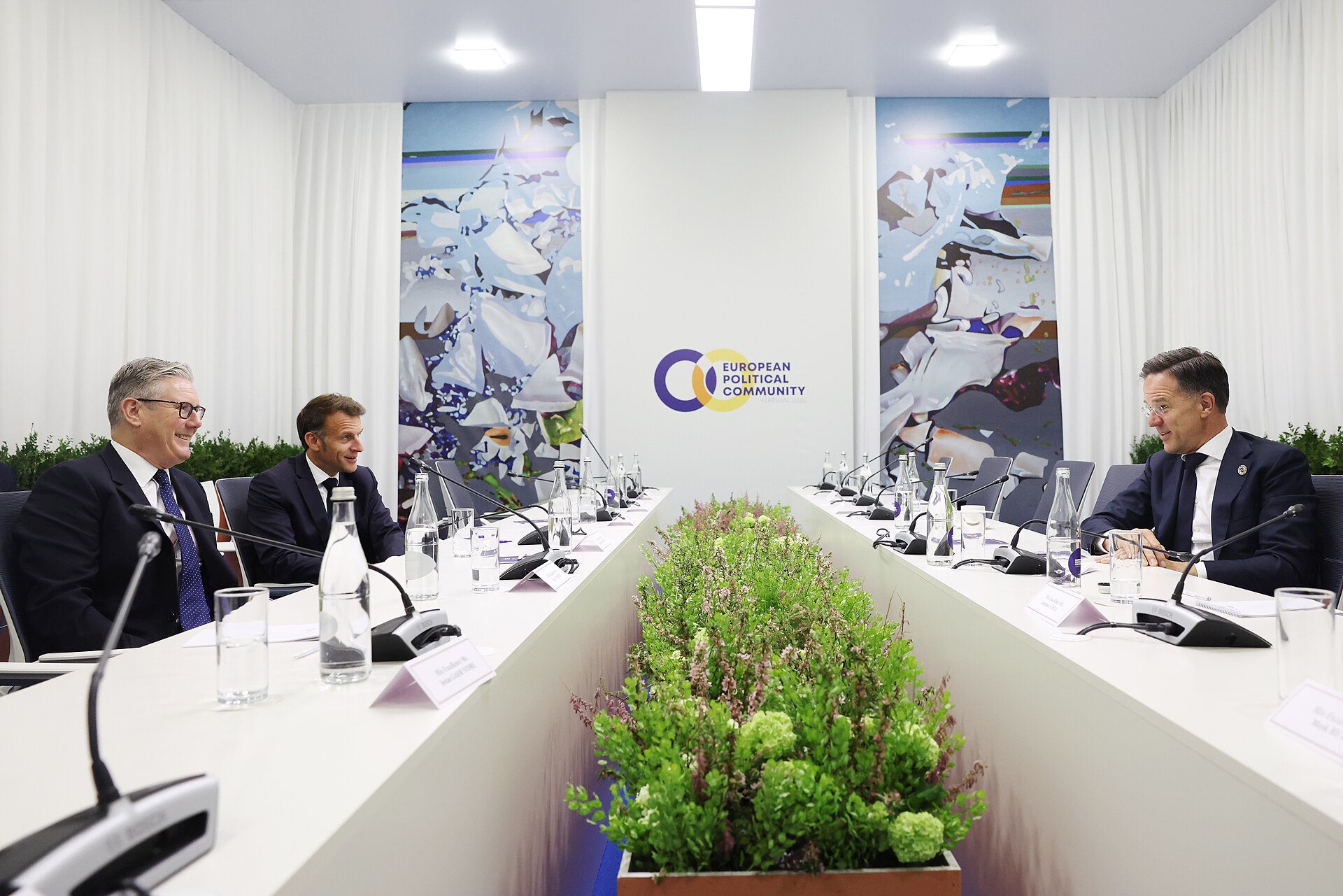
The tension lands at a sensitive moment for NATO. At the alliance’s 2025 summit in The Hague, members agreed to invest 5% of GDP annually on defense and security by 2035. NATO says all 32 allies met the prior 2% target in 2025 for the first time, and that European allies and Canada increased defense spending by about 20% last year. Rutte’s remarks suggest the alliance is not just spending more; it is being forced to demonstrate, in real time, that spending translates into troops, access, and readiness.
This article was produced by Prism’s automated news system from verified source data, official records, and press releases, then run through automated quality and moderation checks before publishing. The system is built and supervised by the people who set the standards it runs under. Read our full AI policy.
Did this article answer your question?


