Ruud survives brutal Paris heat to reach French Open second round
Casper Ruud battled dizziness and feared heatstroke before surviving Roman Safiullin in five sets as Paris baked at about 33C.
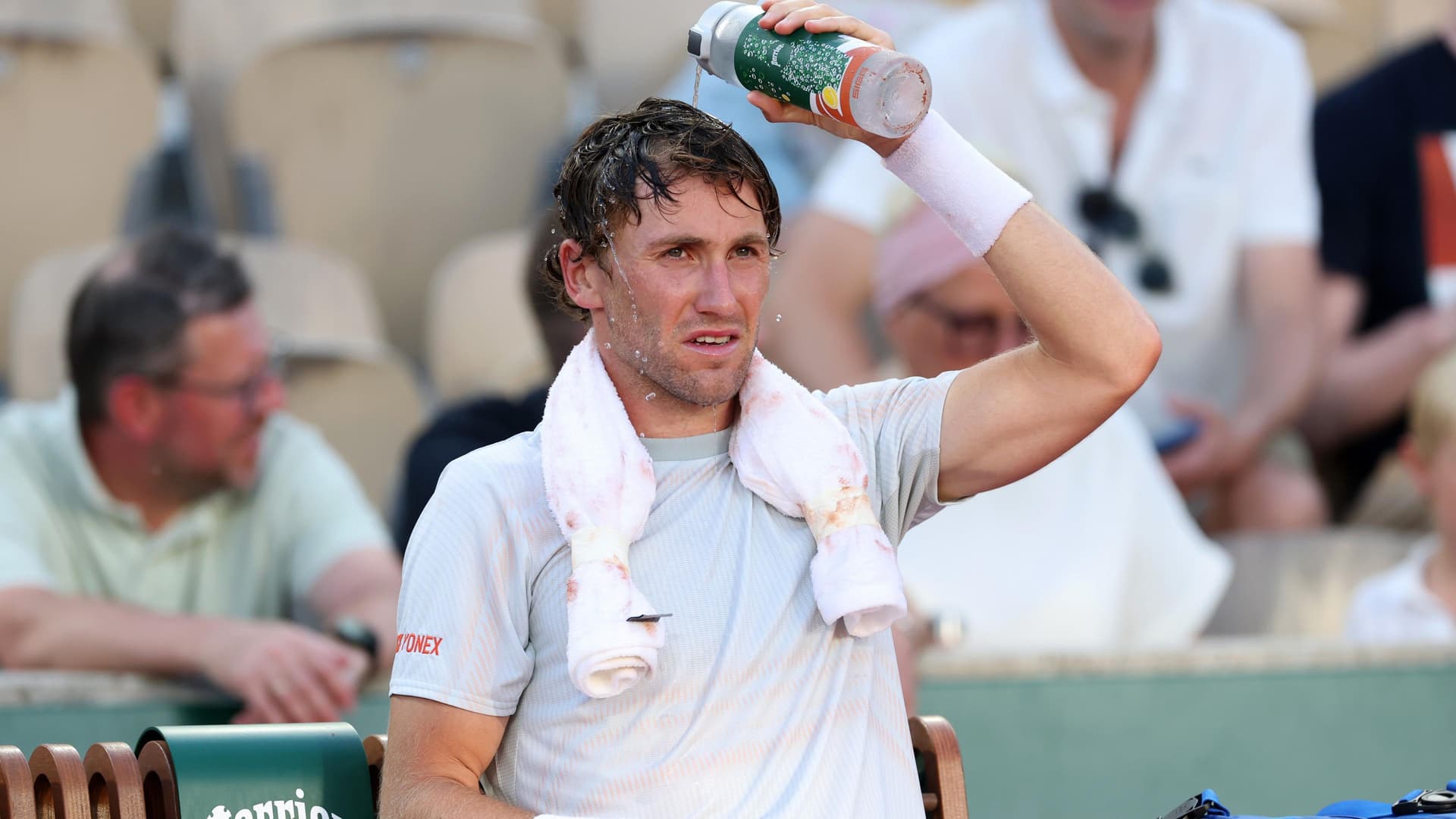
Casper Ruud fought through a punishing Paris afternoon and a five-set scare, then survived Roman Safiullin to reach the French Open second round. The former finalist said he felt “like a zombie” at times during the first-round match at Roland-Garros and feared he might be heading toward heatstroke before he steadied himself and finished the job.
Ruud’s win kept alive his bid for a third Roland-Garros final after runner-up finishes in 2022 and 2023, but the scoreboard told only part of the story. He said the conditions on Monday felt like a “heatwave” and described the sensation as heatstroke-like as he struggled through the draining contest against Safiullin. Reports from Paris put temperatures at around 33C on the first two days of the tournament, and the heat was visibly affecting players and fans across the grounds.

The Norwegian said he briefly thought he might have to stop, even mentally preparing for an early exit before recovering in the fourth set. He ultimately pushed through and won in five sets, a result that underlined both his resilience and the strain imposed by the weather. Other players also described the day as exhausting, with tournament coverage noting that competitors had not faced conditions this hot at Roland Garros since the Paris Olympics.

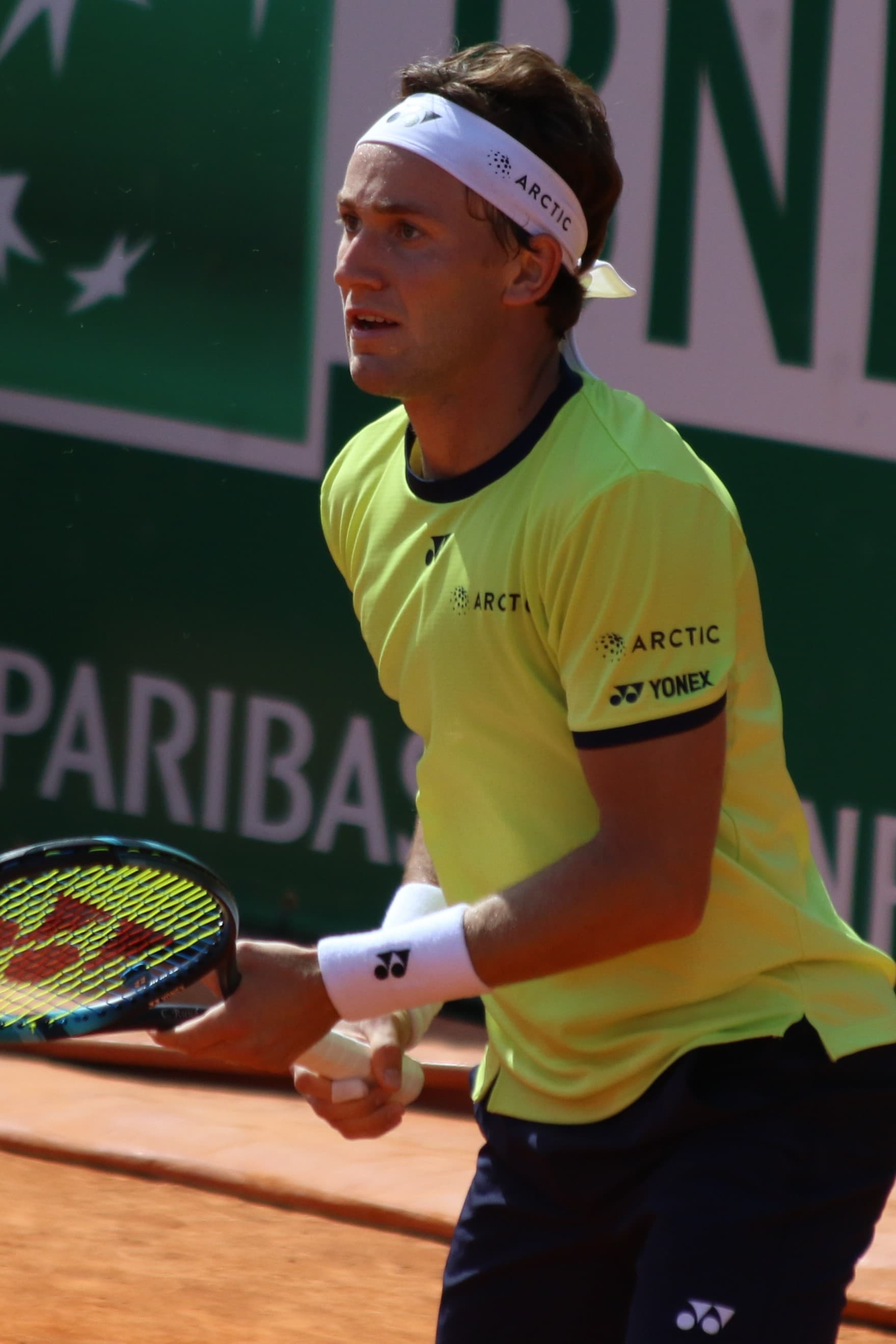
Ruud’s scare has sharpened a broader question for tennis as climate conditions worsen: is the sport adapting quickly enough? The International Tennis Federation says heat in tennis can be potentially harmful and even life threatening, and its extreme-weather system tracks heat stress with the wet-bulb globe temperature measure. Once that threshold reaches 30.1C, the Extreme Weather Policy comes into effect, opening the door to modifications in play. At a Grand Slam where endurance already defines the contest, Ruud’s escape in Paris was also a warning that extreme heat is no longer just background weather. It is becoming a competitive and medical risk that major tournaments can no longer ignore.
This article was produced by Prism’s automated news system from verified source data, official records, and press releases, then run through automated quality and moderation checks before publishing. The system is built and supervised by the people who set the standards it runs under. Read our full AI policy.
Did this article answer your question?
.jpg&w=1920&q=75)