Ryan Sheckler's Costco Gap kickflip becomes skateboarding legend
A Costco parking-lot kickflip turned retail space into skateboarding mythology, where risk, memory, and community collide.
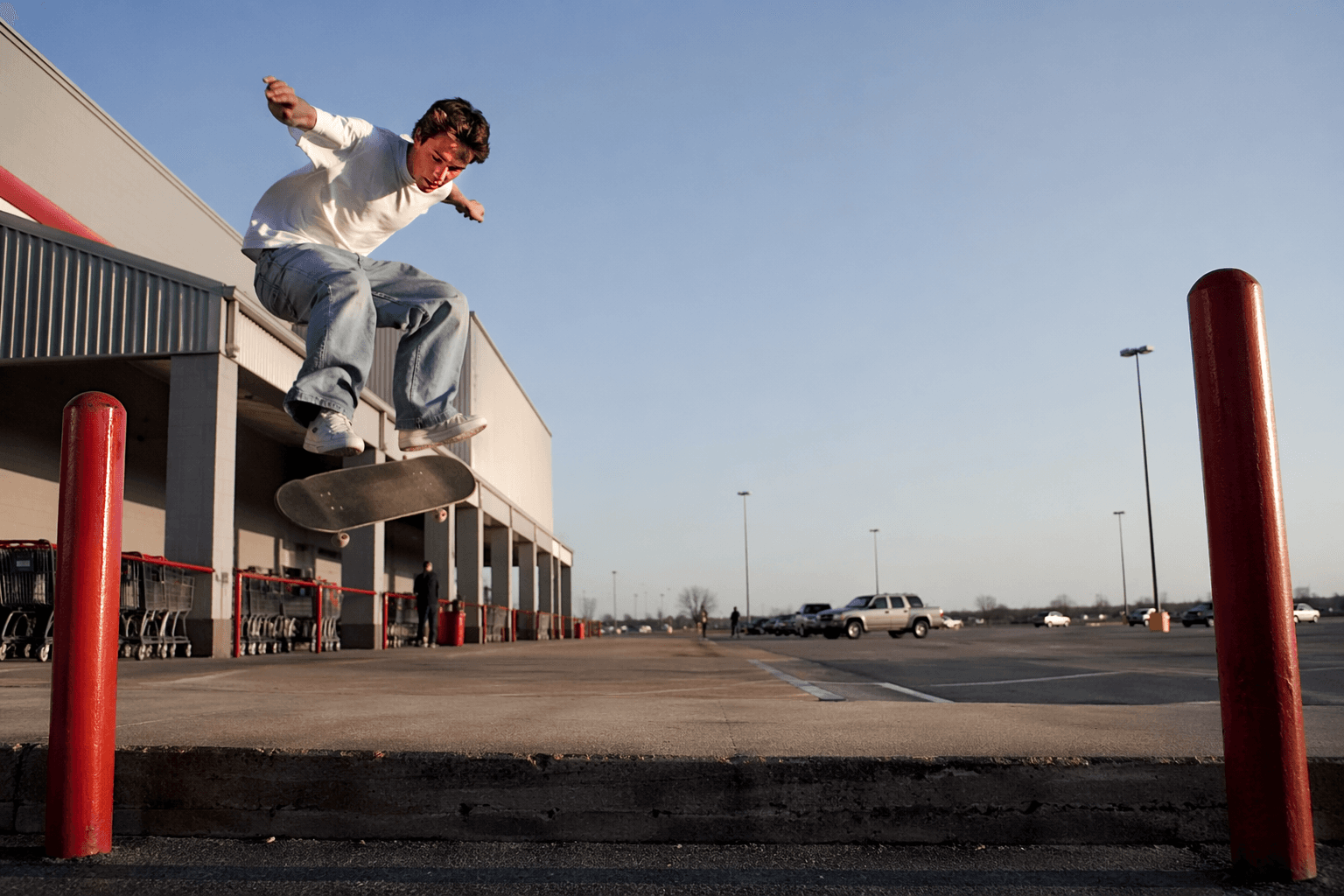
A warehouse club becomes a stage
Costco is built for bulk, speed, and low prices, not for intimate reflection on the body’s limits. That is exactly why Ryan Sheckler’s Costco Gap kickflip still lands with force: a hyper-commercial warehouse setting becomes the backdrop for a trick that carries fear, precision, and a quiet confrontation with mortality. The contrast makes the moment feel bigger than skateboarding alone, because it turns an ordinary retail edge into a public memory about what people are willing to risk.
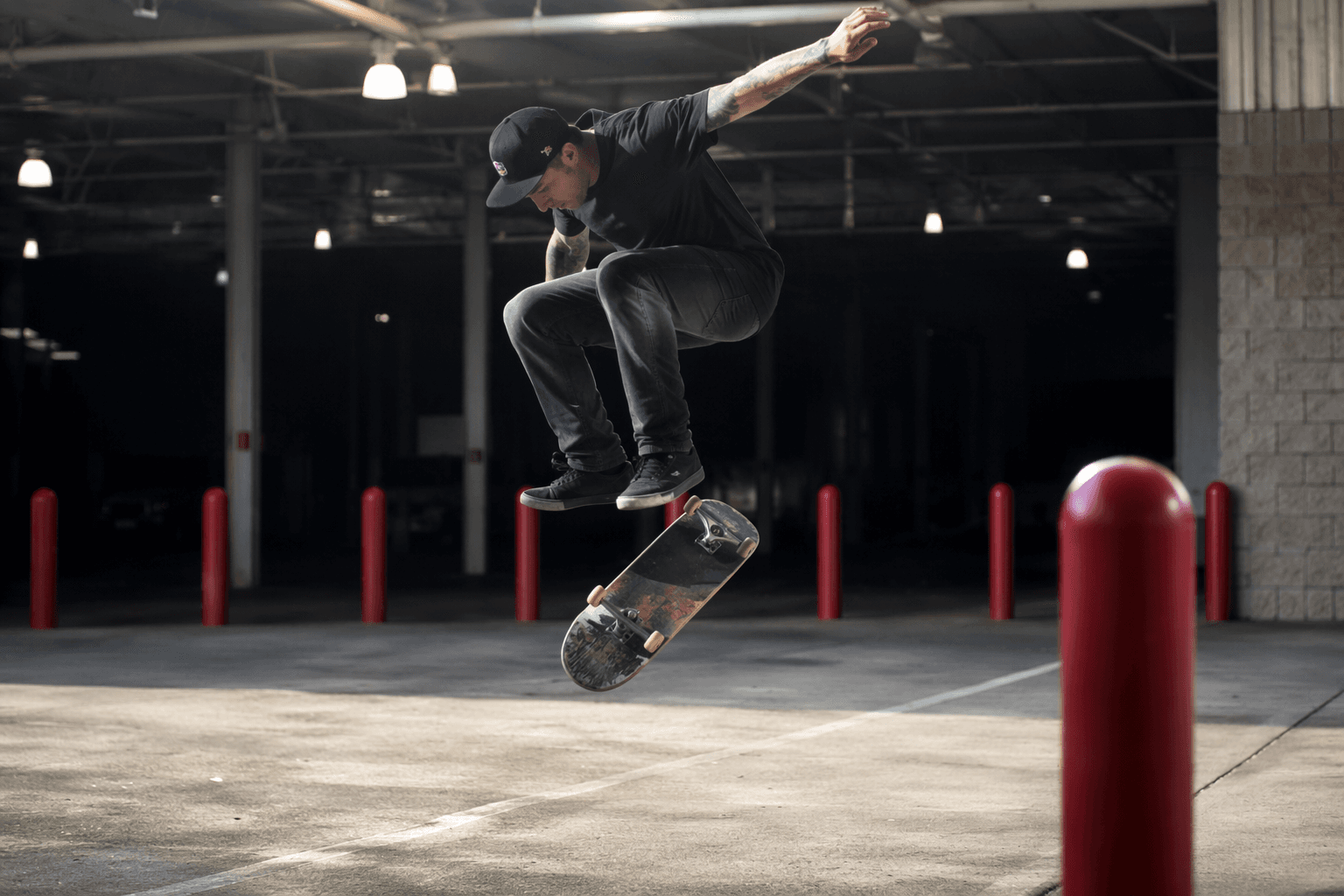
The story resonates now because it sits at the intersection of commerce and vulnerability. A place designed for rapid inventory turnover and predictable routines can also become a site where a single athletic act is remembered for decades. In that tension, the Costco Gap stops being just a gap and becomes a cultural marker.
How Costco grew into the background of a legend
Costco’s own history helps explain why the setting feels so uncanny. The company traces its roots to Price Club, founded in San Diego in 1976, and its first location opened under that name in a converted airplane hangar on Morena Boulevard. Costco later opened its first warehouse in Seattle in 1983, where the founders imagined that success might one day mean only a dozen locations.
That modest beginning has since expanded into a company that says it operates hundreds of locations worldwide. The scale matters: Costco is instantly recognizable, which is part of why a skate clip filmed there could become so memorable. When a place is shared by so many people, it can shift from being a store to being a symbol.
The kickflip that made the spot famous
Ryan Sheckler’s Costco Gap kickflip entered skateboarding lore through his 2008 Plan B part, “Superfuture.” The trick was later revisited in a 2024 STORIED Skateboarding video that measured the spot at about 5.5 feet by 14 feet, giving fresh dimension to a feature that had already become legendary. The location is tied to Mission Viejo and Laguna Niguel, California, and the name “Costco Gap” has stuck because the trick is inseparable from the spot itself.
On his official site, Sheckler calls it a “milestone day,” a phrase that captures how skateboarding turns one successful attempt into a lifelong reference point. The site also frames the moment in the language of community, saying skateboarding is about community. That combination matters: the trick is not remembered only for technical difficulty, but for the way it helped define a shared language inside skate culture.
The gap’s dimensions help explain why the clip still circulates with such weight. At roughly 5.5 feet by 14 feet, it was large enough to demand full commitment and precise enough to reward calculation. In skateboarding, that balance between fear and control is often where legend begins.
Why the story carries more than skate nostalgia
The Costco Gap has lasted because it turns an everyday commercial edge into a place where people think about the fragility of the body. Skateboarding has always made meaning out of public space, but this spot adds another layer: it transforms a warehouse club into a site where viewers confront the thin line between play and injury. That is part of why the clip feels like more than sports history. It becomes a kind of informal education in consequence, courage, and the limits of the human body.
There is also an intergenerational pull to the story. The 2008 clip belongs to one era of skateboarding, while the 2024 revisit gives younger viewers a way into the myth and older viewers a reminder of how long a great trick can echo. In that sense, the Costco Gap works like oral history for a generation that often remembers its landmarks through video, not monuments.
The legal shadow around a familiar brand
The legend also sits beside a very different Costco story. In September 2024, a Los Angeles County jury returned a $5 million verdict against Costco in a premises-liability case. Earlier that year, in March 2024, a California woman sued the company in Santa Rosa after alleging that a heavy liquor-cabinet display fell on her and caused severe injuries, with the lawsuit seeking more than $14 million.
Those cases do not change the meaning of Sheckler’s kickflip, but they sharpen the context around it. Costco is not only a symbol of abundance and efficiency; it is also a company whose stores are public-facing spaces where safety, duty, and injury can become legal questions. That makes the Costco Gap feel even more layered, because the same brand that hosts a celebrated skate spot also appears in disputes about how people move through commercial environments without getting hurt.
What the Costco Gap leaves behind
The lasting power of the Costco Gap lies in how it folds together commerce, risk, and memory. A warehouse club built for volume and routine became the setting for a trick that skateboarding continues to treat as a milestone, and that contrast keeps the story alive. It is part urban myth, part technical achievement, and part reminder that public spaces carry more emotional weight than their architecture suggests.
In the end, the trick endures because it is easy to recognize and hard to dismiss. Costco may be a place of carts, pallets, and predictable aisles, but Ryan Sheckler turned one edge of that world into something larger: a shared reference point about community, daring, and the stories people tell when they gather around risk and survival.
Know something we missed? Have a correction or additional information?
Submit a Tip