Sabalenka-Osaka ends French Open's long men's night-session streak
Sabalenka and Osaka will break Roland Garros’s 32-match men’s run under the lights. The booking exposes how tightly the French Open has rationed women’s visibility in prime time.
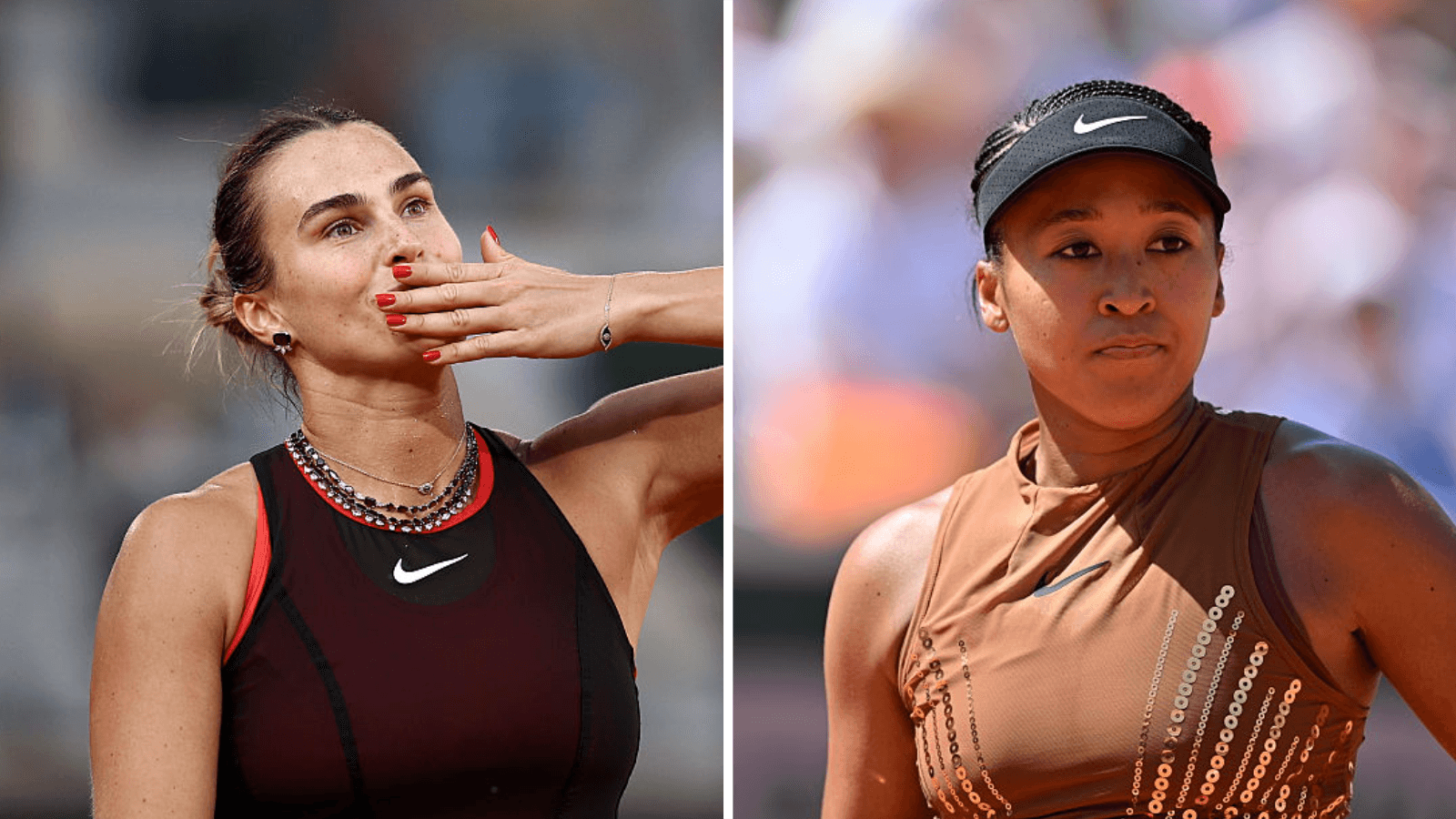
Aryna Sabalenka and Naomi Osaka will step onto Court Philippe-Chatrier’s night session with more than a fourth-round berth at stake. Their matchup is the first women’s match in the French Open’s evening slot since 2023, ending a 32-match stretch of men’s night sessions and putting a long-running scheduling imbalance back at center court.
The booking matters because it is so rare. Since the night-session format began in 2021, only four of the first 60 night matches at Roland Garros have been women’s singles. Before Sabalenka and Osaka, the last women to play under the lights in Paris were Sloane Stephens and Sabalenka in the third round in 2023. For two straight years, the tournament went without a women’s night match at all, even as broadcasters and some players pressed for a different balance.
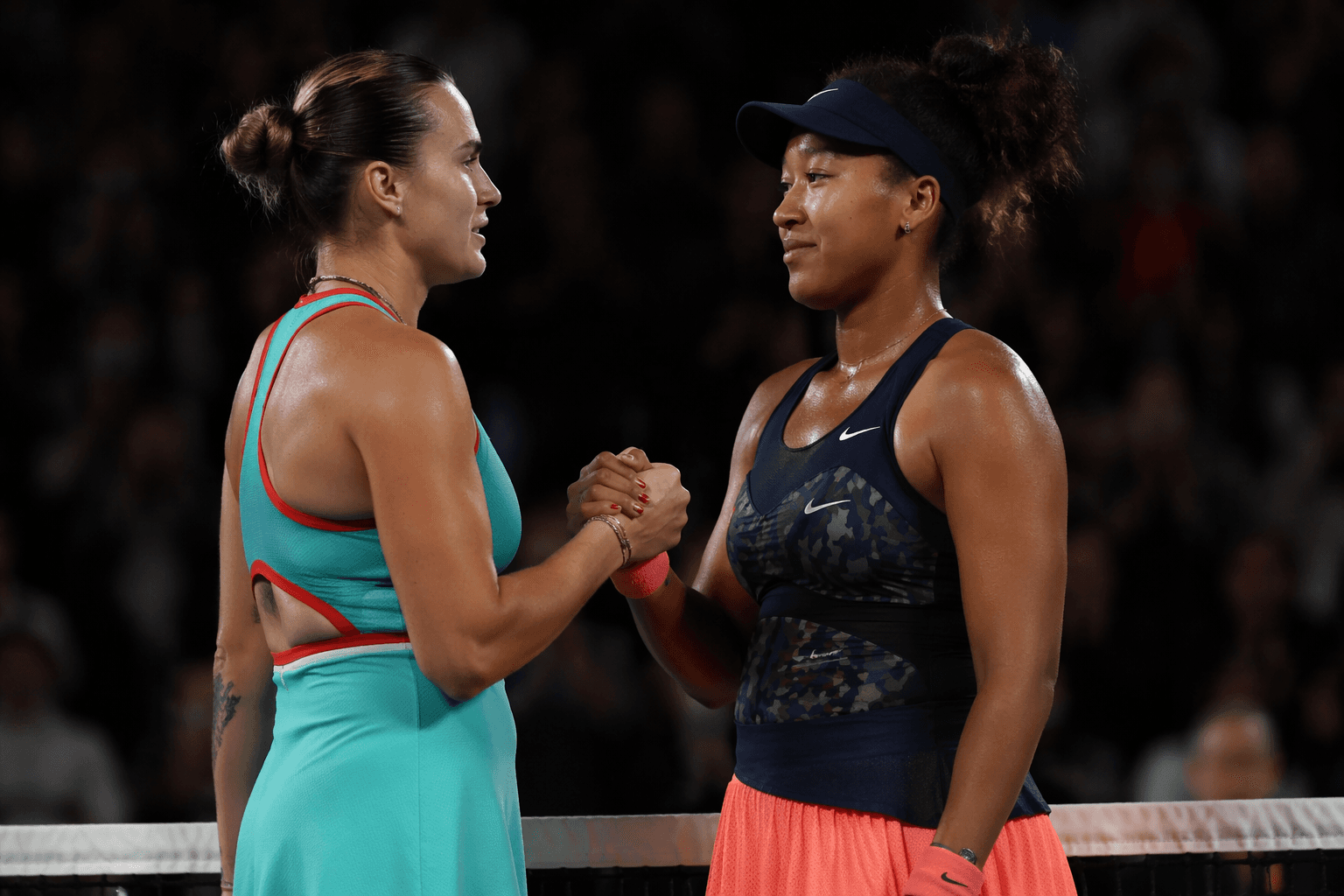
That pattern has turned scheduling into a referendum on what tournament leaders believe will draw attention after dark. French Open organizers have kept the evening window to one match, a policy defended by tournament director Amelie Mauresmo, who has said the event has resisted adding a second night match because of concerns about very late finishes. The result has been a system that heavily favors men’s singles when the marquee hour arrives on the stadium’s biggest stage.
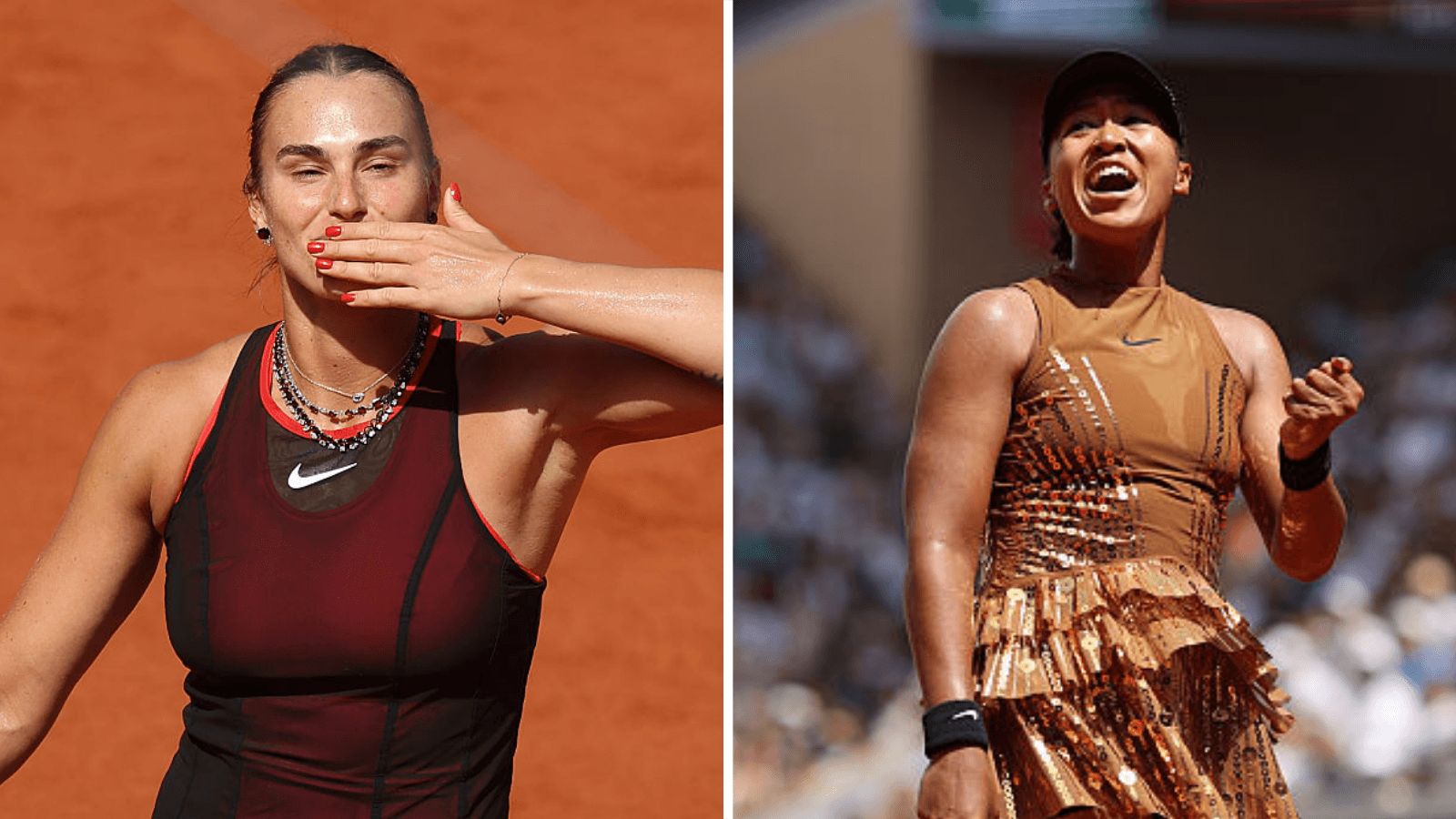
Sabalenka-Osaka also exposes how strongly star power shapes access to visibility. Osaka is a four-time Grand Slam champion and has reached the French Open fourth round for the first time in her career. Sabalenka arrived as world No. 1 and had not dropped a set at the tournament, while Roland Garros described the meeting as a blockbuster last-16 showdown between two of the sport’s most recognizable names. In other words, the women’s match did not earn prime time because women’s tennis suddenly became more worthy of it. It won the slot because the names were too large to ignore.

That is the uncomfortable standard at work in Paris: women’s matches appear to clear the night-session bar when they can be framed as major events, rather than as routine parts of the tournament’s most visible programming. The French Open’s own history has shown how far that standard has drifted from equity. A system that puts just four women’s matches in the first 60 night slots does not merely reflect audience demand; it helps shape it, telling viewers which athletes deserve the stage and which ones are expected to wait for daylight.
This article was produced by Prism’s automated news system from verified source data, official records, and press releases, then run through automated quality and moderation checks before publishing. The system is built and supervised by the people who set the standards it runs under. Read our full AI policy.
Did this article answer your question?

.jpg&w=1920&q=75)
