Sadiq Khan, June Sarpong and Christina McAnea named in Lords peerages
Sadiq Khan, June Sarpong and Christina McAnea are among 26 new Lords peers, reviving questions about patronage in a chamber with more than 800 members.
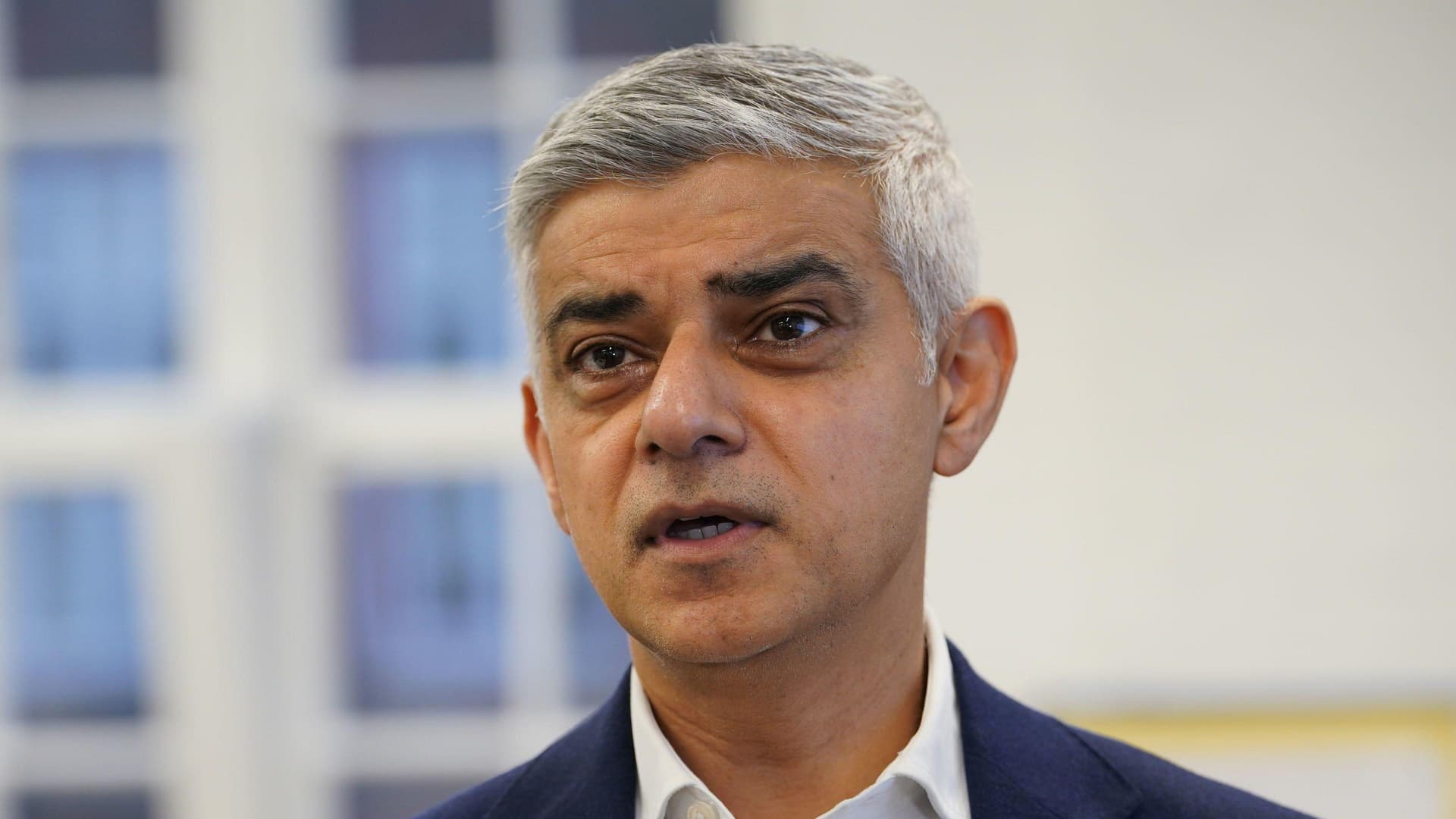
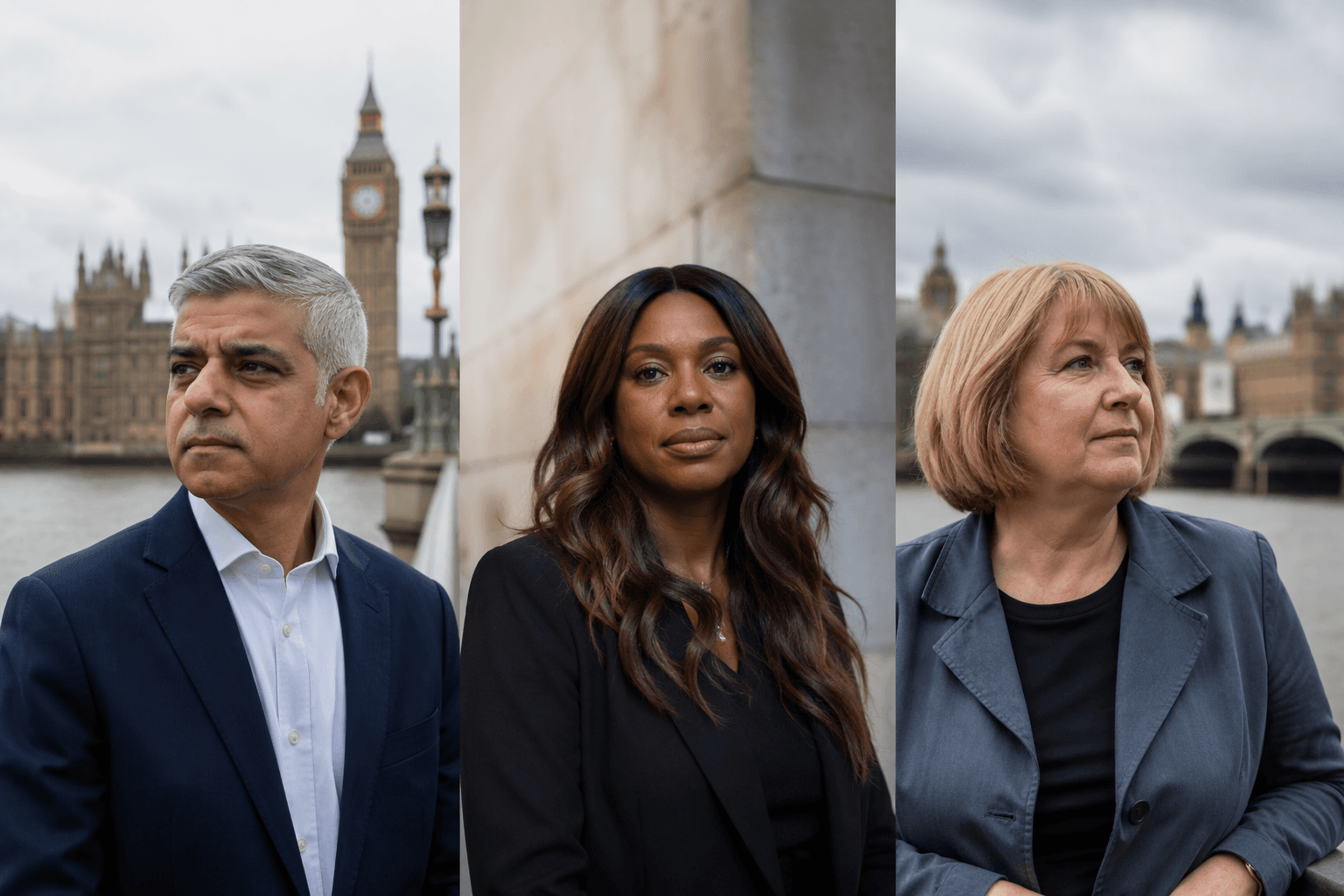
Sadiq Khan, June Sarpong and Christina McAnea were among 26 new peers heading to the House of Lords, in a set of resignation peerages tied to Keir Starmer. The appointments place a London mayor, a broadcaster and a union leader into an unelected chamber that remains central to Britain’s argument over patronage and legitimacy.
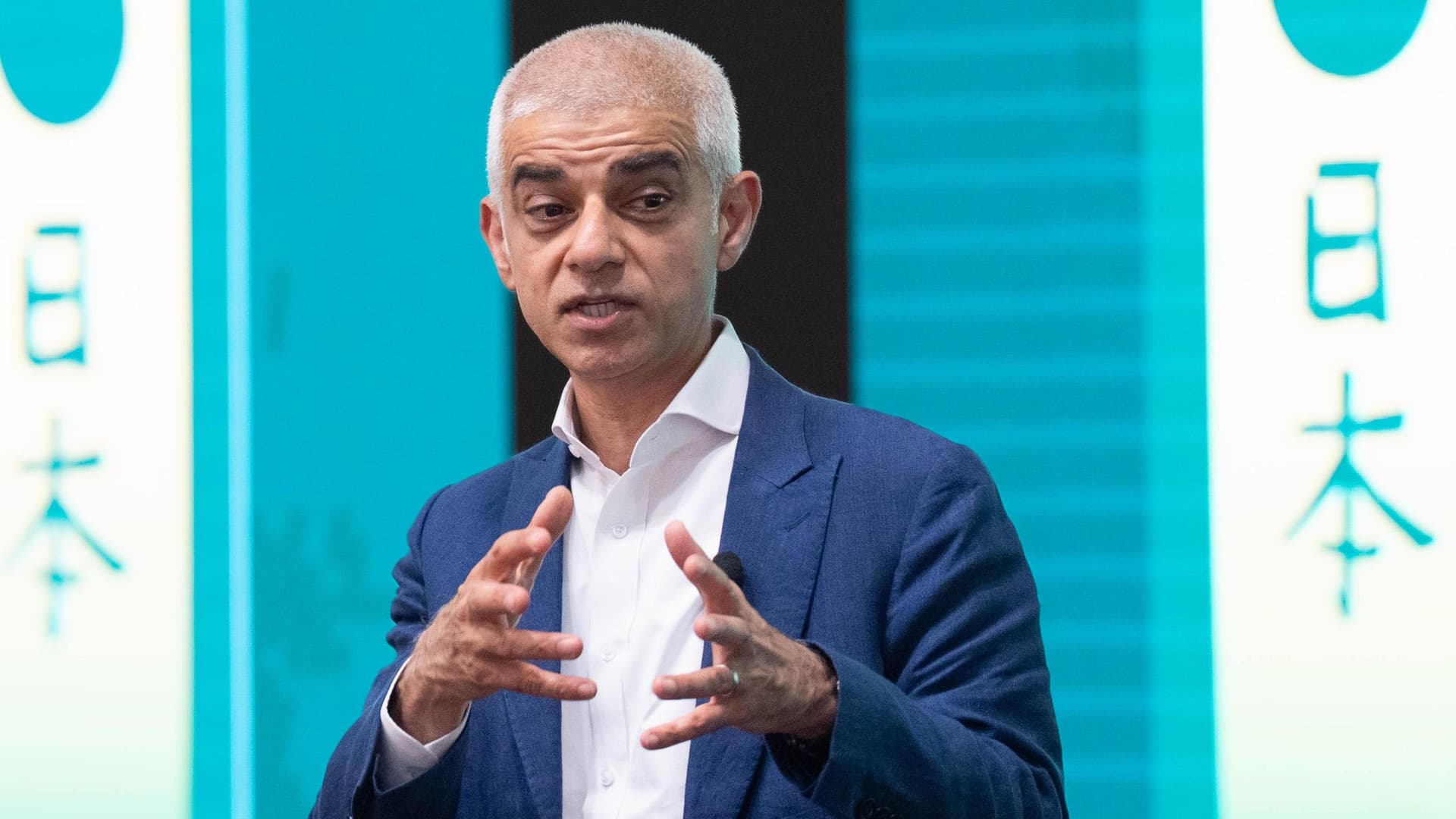
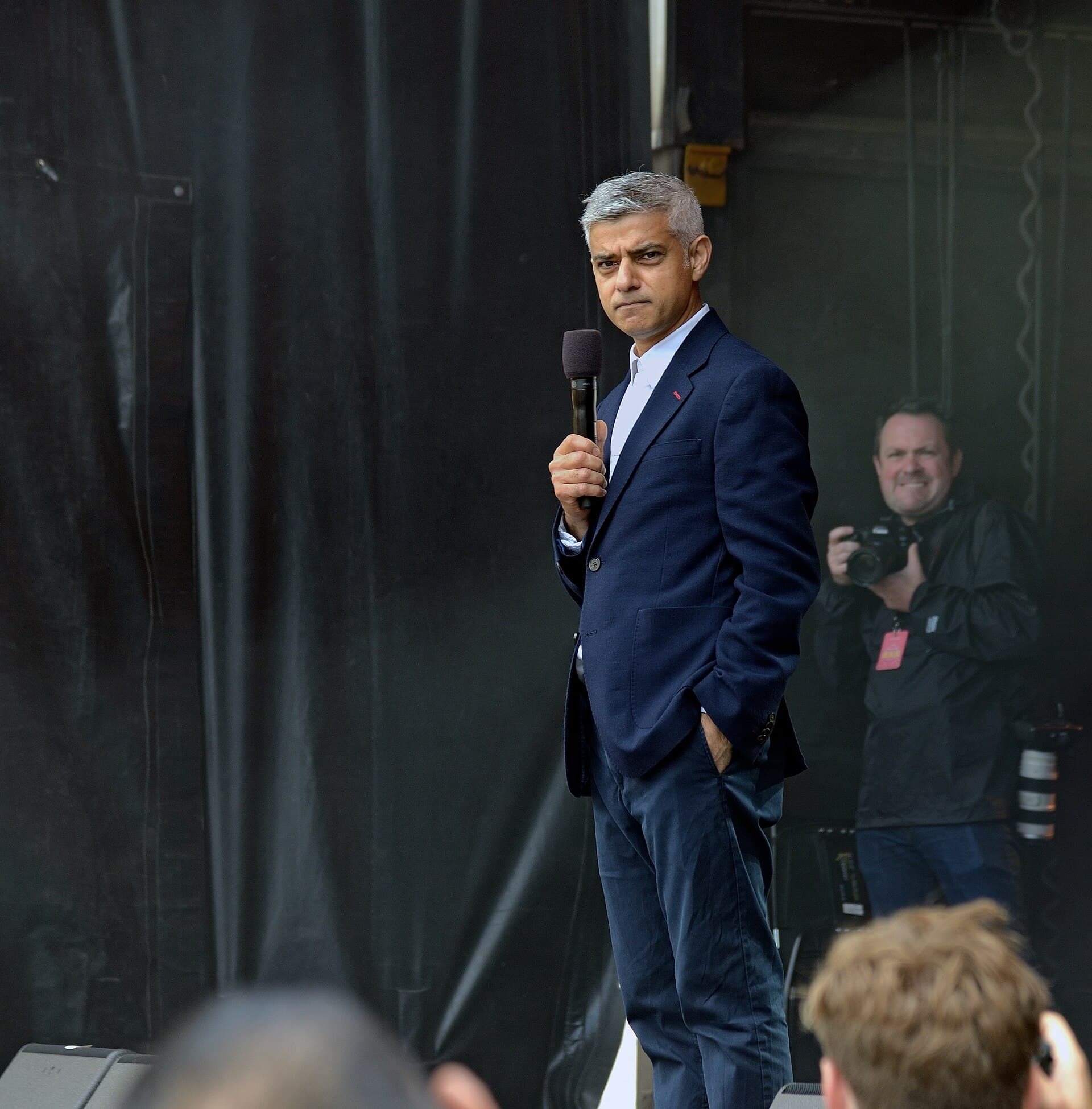
Khan’s elevation follows a route already marked by formal recognition. He was knighted in the King’s New Year Honours list in December 2024 after winning a historic third term as Mayor of London, and a seat in the Lords would give him a new platform after frontline elected office. For a politician who has spent years in the most visible office in local government, the move extends his influence from City Hall into Westminster’s revising chamber.
Sarpong’s name adds a media figure to a list otherwise dominated by political and civic powerbrokers. She publicly congratulated Khan on LinkedIn when he and Deputy Mayor Justine Simons marked a decade in London, a friendly gesture that underlines the personal networks often woven through the honours system. McAnea brings a different kind of weight. As UNISON’s general secretary, she sits close to Labour’s labour movement base, and she has said it is time for a reset from the Labour government. UNISON has also welcomed a previous House of Lords appointment for its activist Wendy Nichols, showing that the union’s relationship with the upper chamber has been both practical and political.
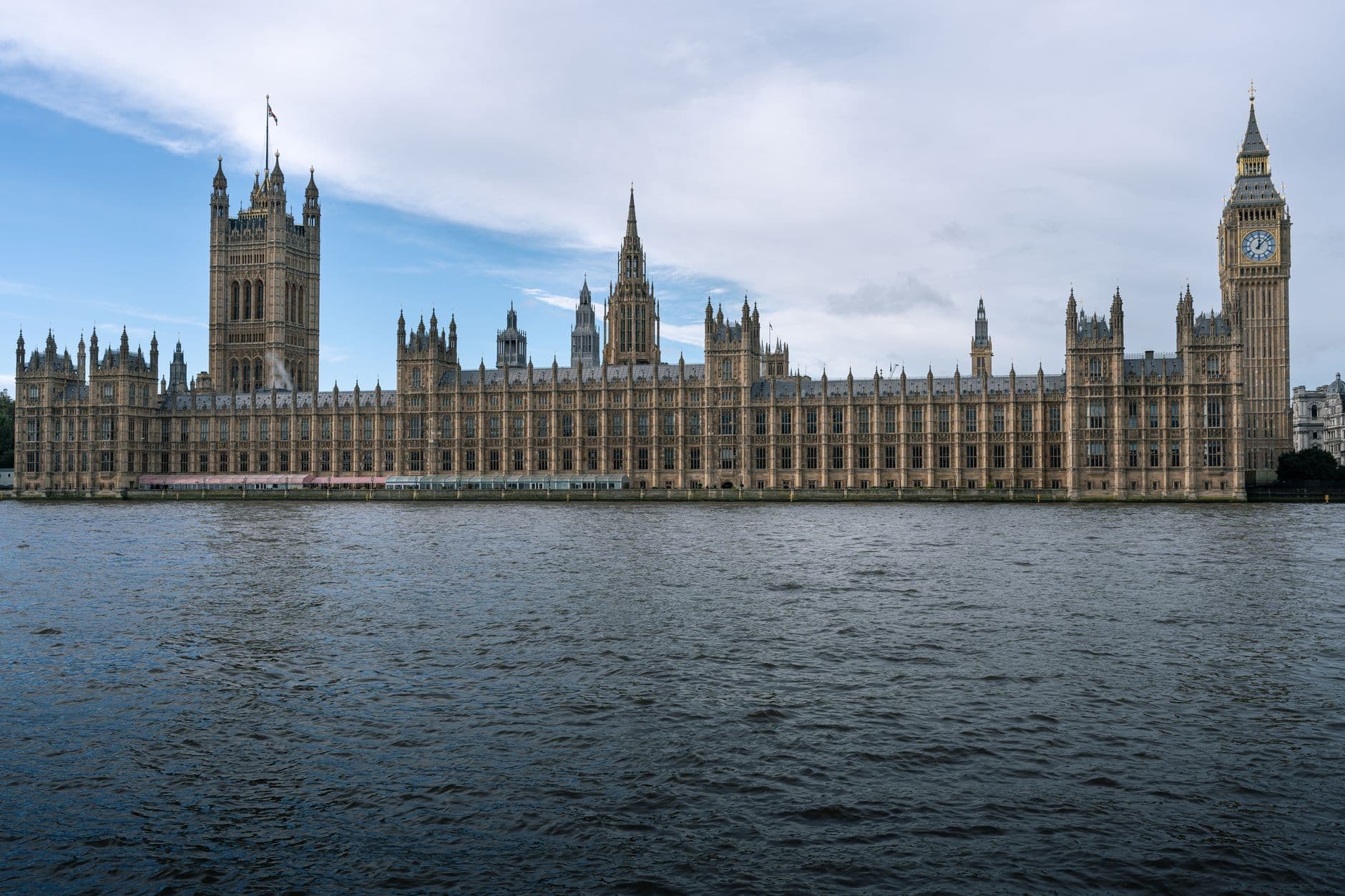
The wider backdrop is a House of Lords that already has more than 800 members. Reform plans have previously proposed cutting it to 450 members serving 15-year terms, but the chamber remains unreformed and its appointments continue to draw fire. The Electoral Reform Society has said the latest peerages mean the government has replaced hereditary peers before they have even left the Lords, a charge that keeps the focus on who gets rewarded, who gets represented and who gets to shape the law without ever facing an election.
That tension is why these names matter beyond the list itself. Khan would bring a high-profile mayoral record into an unelected chamber, while Sarpong and McAnea would carry different forms of public authority into a body already crowded with former ministers, advisers and party insiders. The appointments strengthen the sense that the modern Lords is still used not just to revise legislation, but to distribute power.
This article was produced by Prism’s automated news system from verified source data, official records, and press releases, then run through automated quality and moderation checks before publishing. The system is built and supervised by the people who set the standards it runs under. Read our full AI policy.
Did this article answer your question?