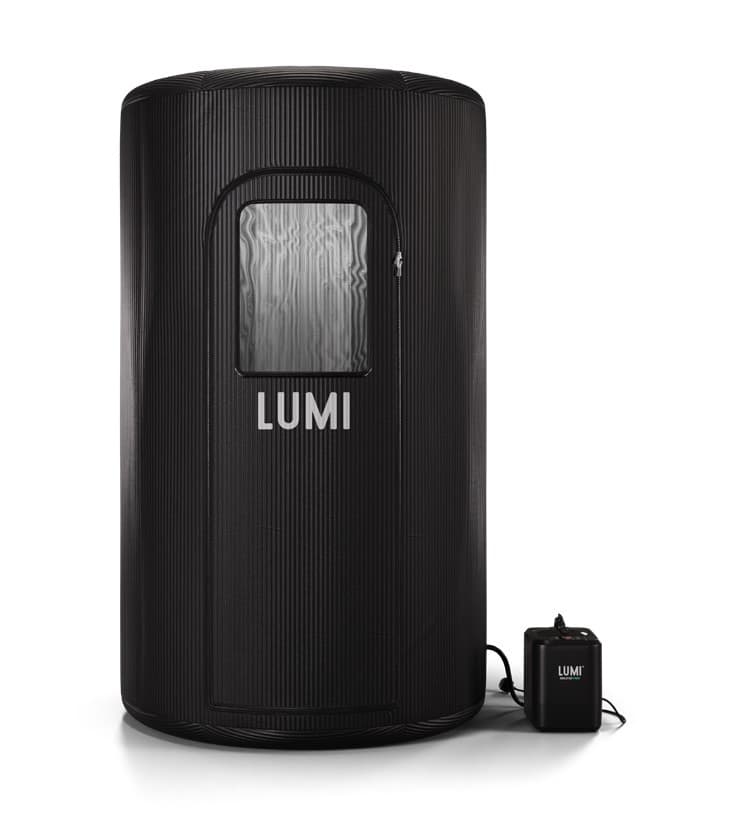
Safe cold plunges - clinician guidance on temps, timing and risks
Clinician-backed cold plunge guidance lays out temperatures, timing and safety steps for safe ice baths and who should consult a clinician first. Practical tips help beginners and athletes manage risk.

Cold plunges are mainstream for recovery and heat management, and new clinician guidance lays out clear, conservative protocols to keep community dips effective and safe. The headline recommendations are straightforward: measure your water temperature, keep sessions short, and know when to avoid full-body immersion.
What counts as a cold plunge? Full-body immersion in ice water or a chilled tub, whether that’s a dedicated cold-plunge unit or a bathtub with added ice. Many newcomers ease in around 68°F (20°C) and gradually lower the temperature as they habituate. Clinician-oriented guidance suggests a safe starting range of roughly 50–59°F (10–15°C) for most users, with experienced plungers working down into a 39–50°F (4–10°C) advanced range. Time limits are conservative: begin with about three minutes and for most people cap sessions around five minutes.
The benefits most often cited include reduced postworkout muscle soreness through vasoconstriction and reduced swelling, faster core-temperature recovery after exertional heat strain, and anecdotal gains in alertness, focus and sleep quality. Evidence supports targeted post-exercise ice baths for soreness control, but protocols should match training goals; for example, avoid immediate cold after heavy strength sessions if maximizing hypertrophy is the objective.
Risks are real and specific. People with heart disease, uncontrolled high blood pressure, diabetes, peripheral neuropathy, poor circulation, venous stasis or cold agglutinin disease should consult their clinician before plunging. Acute risks include hypothermia, skin or nerve damage, breathing difficulties from cold-shock hyperventilation, sharp spikes in blood pressure and heart rate, numbness and temporary loss of motor control.
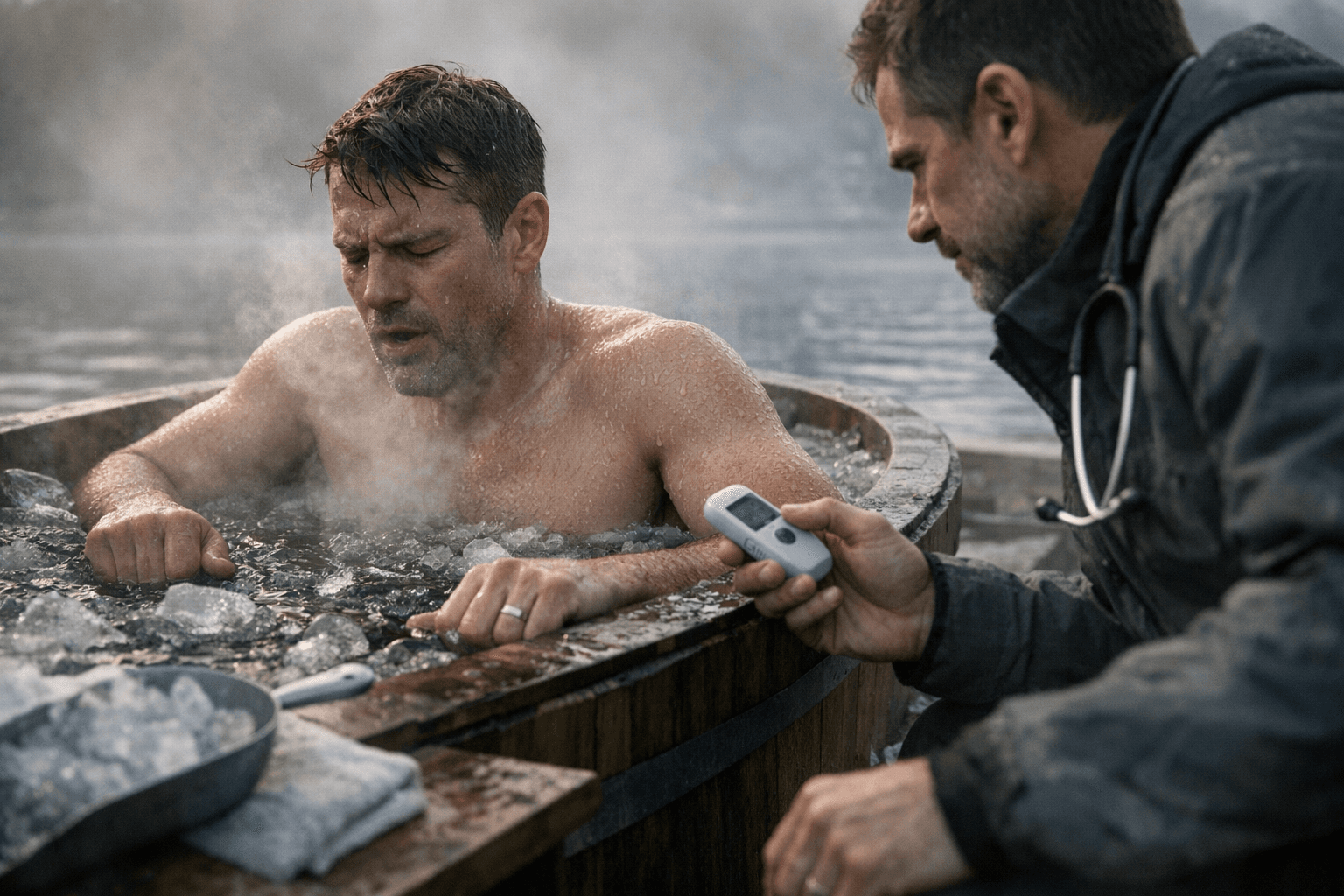
Practical safety steps keep a dip a recovery tool rather than a hazard. Check with a healthcare provider if you have medical conditions. Keep immersions short and avoid very low temperatures until you’re habituated. Use a controlled setup: measure water temperature, have someone nearby to spot you, avoid alcohol before and during the plunge, do not submerge your head, and rewarm gradually after exit. For athletes, choose plunge timing with your training plan in mind rather than as a reflex after every workout.
The takeaway? Cold plunges deliver real bang for recovery when you respect the limits: start warmer, limit time, measure temps, and get medical clearance if you have health issues. Our two cents? Treat the cold like any other tool, use it deliberately, log times and temps, and don’t try to chase street-cred with extreme dips until your body has earned it.
Know something we missed? Have a correction or additional information?
Submit a Tip