Sagadahoc County districts face enrollment decline, weigh consolidations and staff cuts
State data show Maine lost roughly 2,134 K–12 students in 2025-26, forcing Sagadahoc County districts to consider consolidations and staff reductions that could change local schools and budgets.
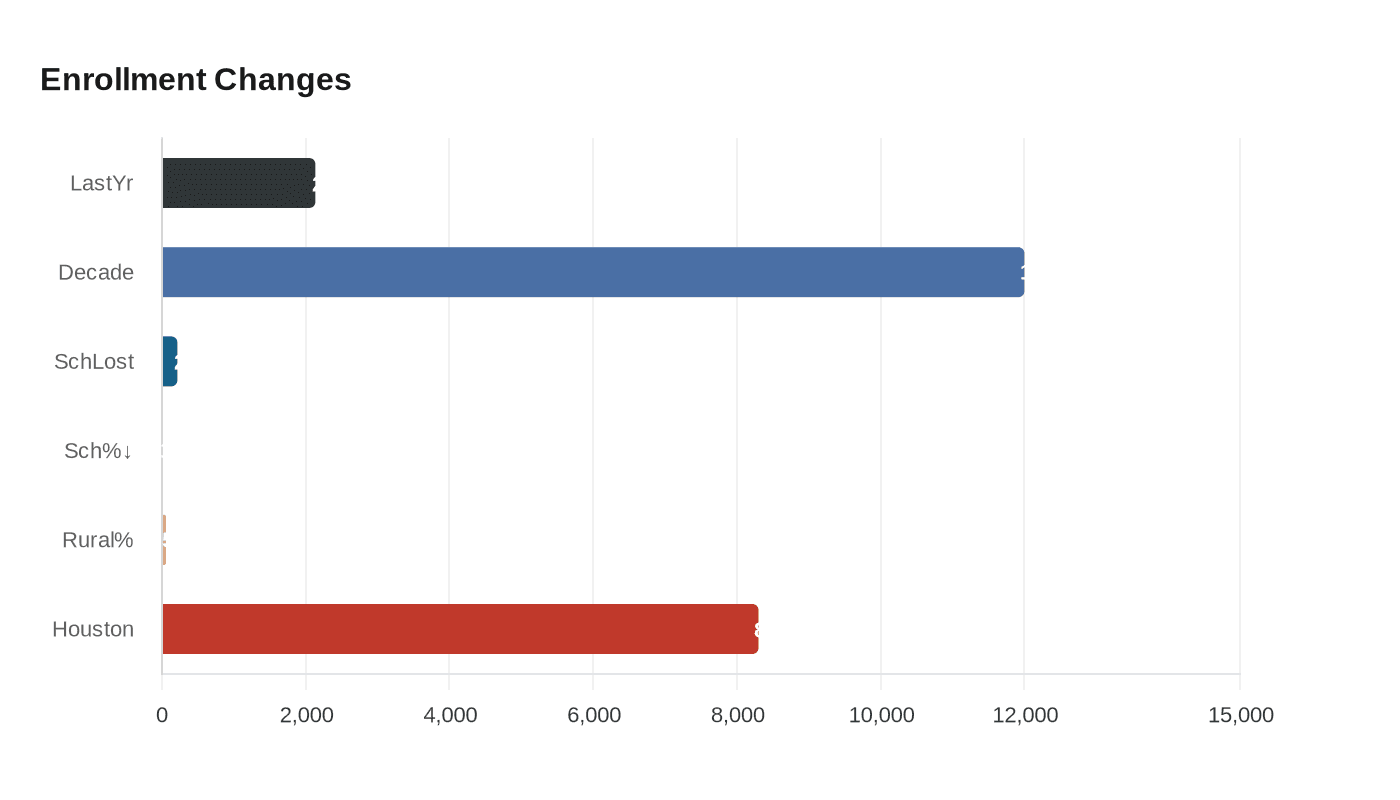
State education data for 2025-26 show Maine lost roughly 2,134 K–12 students compared with the prior year, and school leaders across the state — including those in Sagadahoc County — are weighing consolidations, staffing cuts and delayed capital projects as districts confront smaller cohorts and tighter budgets. The original state report also notes a longer-term drop of nearly 12,000 students over the past decade, a decline that feeds directly into school funding formulas and program decisions.
The immediate consequences are practical and familiar: smaller class lists in some grades, pressure to reduce course offerings, and renewed scrutiny of planned building projects. Ground News summarized the shift this way: “Maine districts face a 2,134-student drop since last year, prompting consolidation talks, staffing cuts, and facility upgrades to address funding and enrollment challenges.” Local outlets cited by that aggregation include the Lewiston Sun Journal, the Portland Press Herald and Central Maine News, which have reported districts across the region opening conversations about how to adjust operations as state aid and enrollment counts fall.

Policy history shows how hard consolidation can be to pull off and how mixed the savings may be. A Boston Federal Reserve analysis traces an earlier statewide push in 2007 aimed at reducing Maine’s roughly 290 districts to about 80. After about 10 years the state still had roughly 160 districts, and the analysis says some consolidations created new staff positions that blunted fiscal benefits. The Boston Fed also documents a regional trend: a net reduction of 214 public schools across Maine, New Hampshire and Vermont between 2000–01 and 2016–17, a 14 percent decline in school counts.
Demographics and workforce dynamics are central to the squeeze. Maine has one of the lowest birth rates in the nation and the highest median age, and a Mainepolicy analysis points to additional pressures: 53 percent of Maine students lived in rural areas in 2004, and rural districts tend to have fewer resources and more difficulty meeting accountability targets. That analysis includes hard-to-ignore human factors: aging teachers and administrators, COVID-era departures, and politicized school debates that have driven resignations and retirements. One teacher quoted in that analysis said, “The idea of teaching looks less attractive with No Child Left Behind.” The Maine Commissioner of Education was quoted in 2023 saying, “Academic learning is definitely going to take a backseat to all of these other pieces [Social and Emotional Learning goals and objectives].”
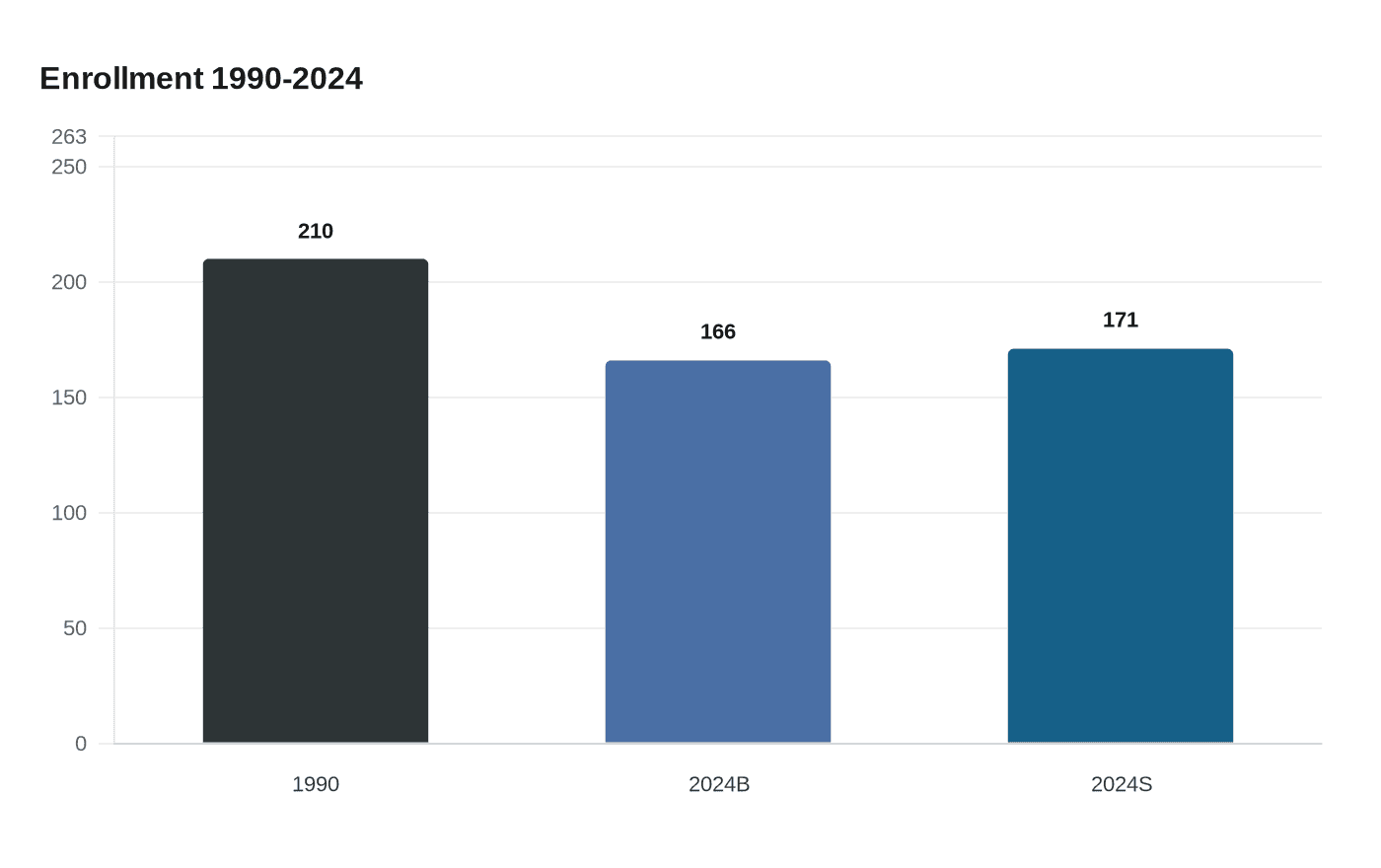
Commentary on resource allocation adds another layer. Substack author Claude Berube traces long-run changes: public enrollment of roughly 210,000 in 1990 to about 166,000 by 2024 in his account (he also notes a State Department of Education figure of 171,000). He reports administrators rising from about 900–1,000 in 1990 to roughly 1,140 in 2018 and slightly more by 2024, moving the administrator-to-student ratio from about 1:210 to 1:146. Berube summarized his view bluntly: “In short, Maine has dramatically increased spending per student with more administrators per student, on far fewer students to achieve less.” He characterized core academics as having been sidelined: “core academics haven’t merely taken a back seat - they’ve been locked in the trunk.”
National forces amplify local choices. Fox News noted large urban losses elsewhere, citing Houston Independent School District’s drop of 8,300 students this year as one example of parents choosing alternatives and states moving on school choice policy.
For Sagadahoc County families the effects will be concrete. Smaller enrollment can mean fewer elective classes, longer bus routes, or proposed school consolidations that alter where children attend. It can also reshape local budgets and the timing of building repairs and upgrades already on long lists across the state. Expect school board meetings, budget workshops and public hearings in the coming months as districts translate statewide declines into local action. Follow coverage in the Lewiston Sun Journal, Portland Press Herald and Central Maine News and plan to attend meetings if you want to weigh in on school configurations and staffing plans that will affect classrooms and taxes for years to come.
Sources:
Know something we missed? Have a correction or additional information?
Submit a Tip