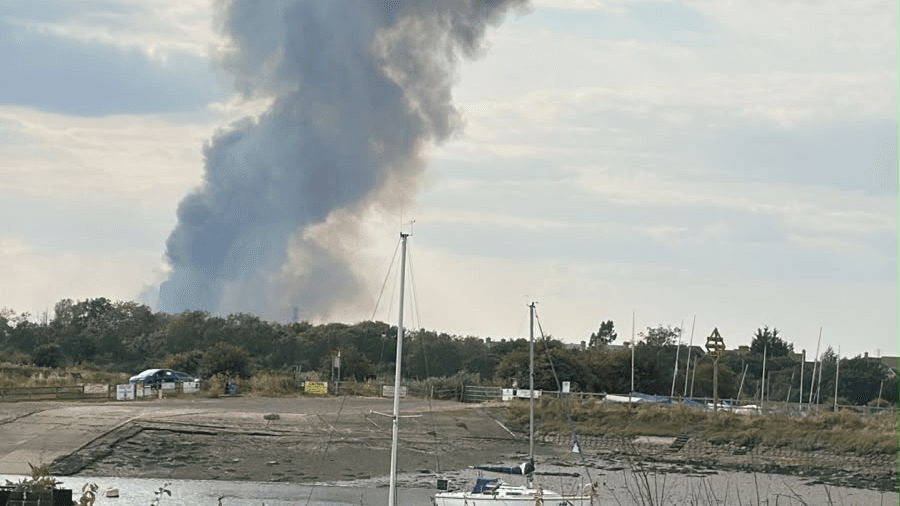
Sailor dies after Ukraine-bound tanker fire off Romania coast
A sailor injured on the Gas Lisbon died after the Ukraine-bound tanker burned off Romania, deepening fears that the Black Sea is now a war-risk zone.
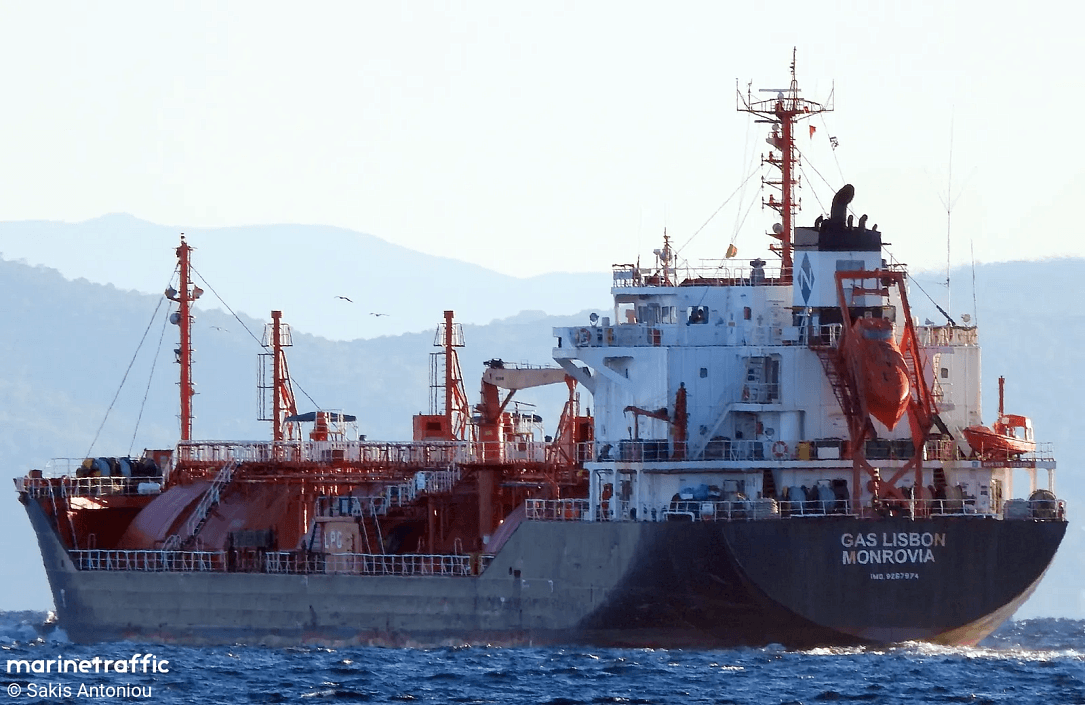
A sailor injured when the Liberian-flagged Gas Lisbon caught fire off Romania’s Black Sea coast later died in hospital, turning a shipping emergency into a sharper wartime security concern. The tanker was heading for a Ukrainian port when it was struck late Monday about 20 nautical miles off Romania’s coast, and Romanian authorities were examining whether the blast was linked to Russia’s war against Ukraine.
Three crew members were wounded in the incident. The ship was described as an LPG tanker and a propane tanker, and one account said it caught fire after an explosion during the night of July 20-21, after being hit by three drones about 20 nautical miles southeast of Sfântu Gheorghe, inside Romania’s exclusive economic zone.
Romanian President Nicușor Dan said the Gas Lisbon was “very likely” attacked by Russia. That assessment has elevated the case beyond a routine maritime accident, because the vessel was moving along one of the Black Sea’s most sensitive commercial routes at a time when Ukraine still depends on sea access for imports and exports.
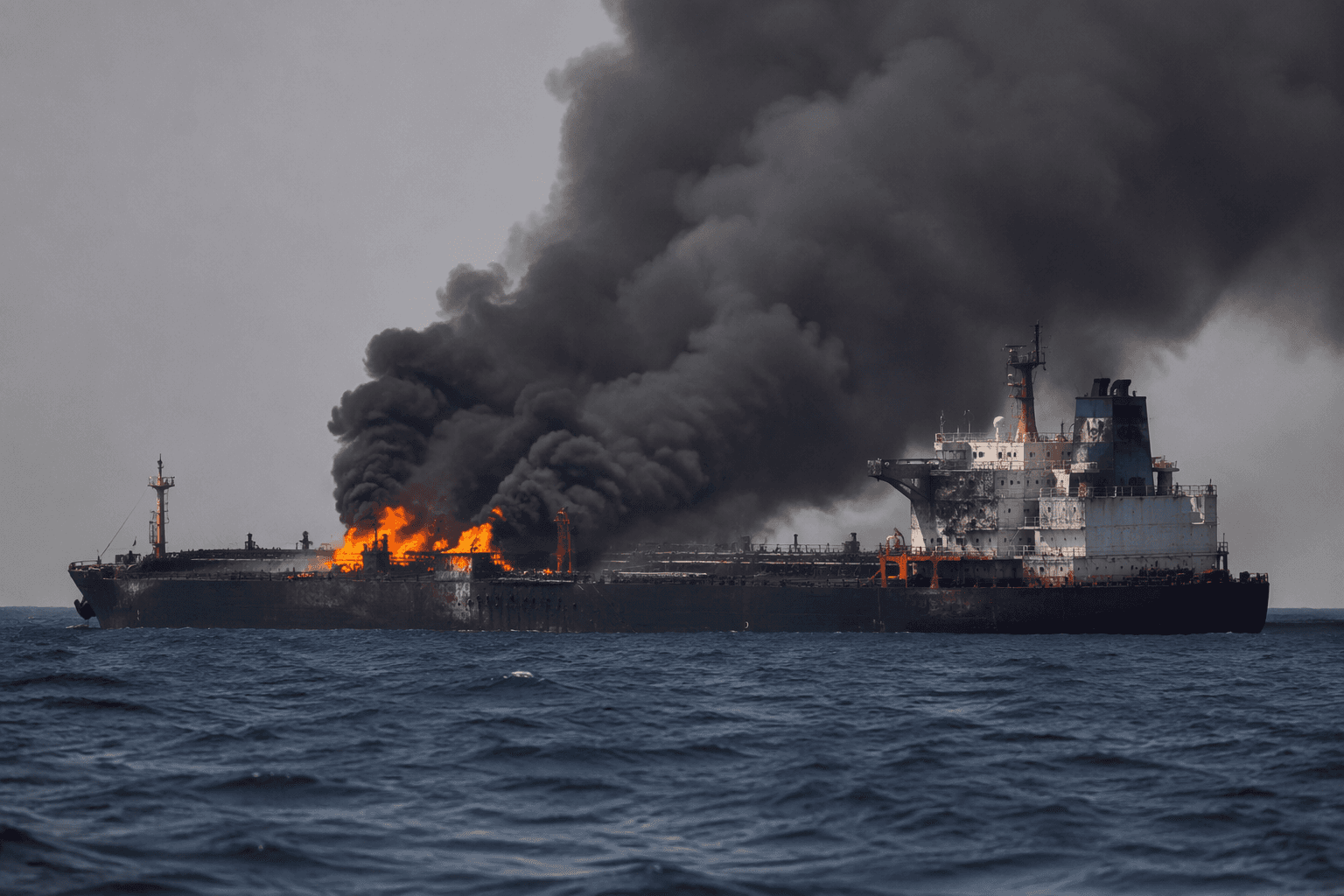
The Black Sea has become a high-risk corridor for commercial shipping since the war began, and every incident near the Romanian coast adds pressure on freight schedules, insurance pricing and crews moving through the region. A fire on a tanker carrying fuel or gas can quickly ripple through energy markets, while the threat to vessels serving Ukrainian ports also complicates the broader movement of grain and other cargoes that travel through the same waters.
Romanian authorities continued to look at the cause of the fire as a possible wartime incident rather than an isolated mechanical failure. In a sea lane already shadowed by drones, mines and missile debris, the death of one sailor has become another warning that the danger zone for civilian shipping is widening well beyond Ukraine’s shoreline.
This article was produced by Prism’s automated news system from verified source data, official records, and press releases, then run through automated quality and moderation checks before publishing. The system is built and supervised by the people who set the standards it runs under. Read our full AI policy.
Did this article answer your question?