Salah Penalty Rescues Ten Man Egypt, Sends Them Through
Mohamed Salah’s late first half penalty, awarded after a pitchside VAR review, gives Egypt a 1 0 victory over South Africa in a chaotic Group B match in Agadir, and secures Egypt’s place in the AFCON knockout phase with a game to spare. The result sharpens debate about video technology and officiating while underscoring Salah’s enduring role as Egypt’s talisman on and off the field.

In a game stretched by lengthy stoppages and intense controversy, Mohamed Salah’s penalty rescued a 10 man Egypt and delivered a 1 0 victory over South Africa in Agadir at the 2025 Africa Cup of Nations. The scoreline was settled in stoppage time of the first half when referee Ndabihawenimana used the VAR pitchside monitor to review contact between Salah and South Africa right back Khuliso Mudau, before pointing to the spot. Salah, captain of Egypt, converted the penalty calmly and sent his nation through to the last 16 as Group B leaders with one match remaining.
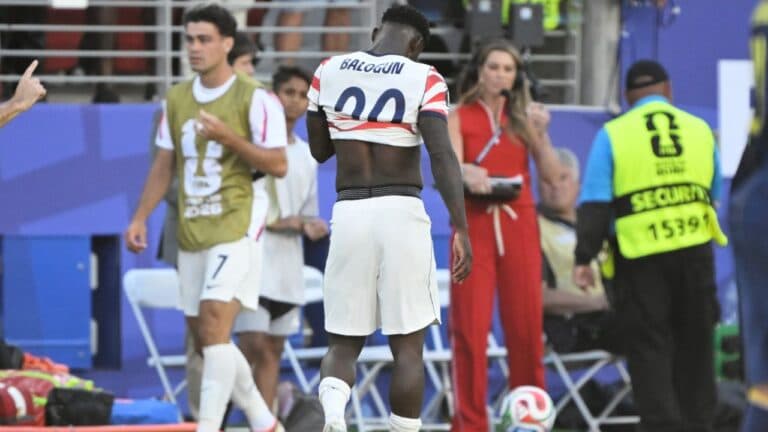
The deciding sequence crystallized the match’s themes of marginal calls and high stakes. As half time approached Salah chased a loose ball and collided with Mudau, whose raised arm struck Salah’s left eye or face. Players from both sides surrounding the referee prompted a monitor review. After an extended delay the penalty was awarded and taken, and play resumed with Egypt ahead. Almost immediately in stoppage time right back Mohamed Hany received a second yellow card for stamping on South Africa’s Mokoena and was sent off, leaving Egypt to defend with 10 men for the entire second half.
South Africa, with a numerical advantage, dominated territory and pressure after the interval and frequently threatened to force an equaliser. A late scramble afforded Egypt a scare when a potential handball by Yasser Ibrahim in the box went unpunished, a decision that intensified the visiting bench’s protests. South Africa coach Hugo Broos reacted angrily to the initial penalty decision calling it "ridiculous, really ridiculous" and also voiced frustration at the non award late in the match. Egypt coach Hossam Hassan expressed surprise that the penalty was given, and his side then sat deep, seeking to protect their narrow lead.
The match ran well beyond normal time at various points, at one stage exceeding 101 minutes on the clock, underscoring how VAR interventions and stoppage time are reshaping the rhythm of international fixtures. Egypt nearly doubled their advantage late when substitute Emam Ashour found space on a quick free kick, but South Africa goalkeeper Ronwen Williams saved to preserve the slender margin.

Beyond the immediate result, the game carries broader significance for African football. Egypt become the first team from the group to qualify for the knockout stage, reinforcing their status as tournament favourites and raising commercial stakes for broadcasters, sponsors and ticketing as a star player like Salah remains central to the competition’s global appeal. The controversy over VAR and key refereeing decisions will fuel discussion among confederation officials about consistency, transparency and the spectator experience as technology continues to influence outcomes.
On a social level the match highlights how a single moment can unite and divide: Salah’s composed finish will be celebrated across Egypt, serving as a focal point for national pride, while South Africa’s grievances about officiating risk lingering resentment. With Egypt now through and facing Angola on December 29, the tournament moves on but the debates kindled in Agadir about fairness, technology and the human element of refereeing will follow the teams into the knockout rounds.
This article was produced by Prism’s automated news system from verified source data, official records, and press releases, then run through automated quality and moderation checks before publishing. The system is built and supervised by the people who set the standards it runs under. Read our full AI policy.
Did this article answer your question?