Samsung and SK Hynix bet hundreds of billions on AI chip boom
Samsung and SK Hynix pledged 3,200 trillion won to memory chips, betting South Korea can own the AI bottleneck before demand cools.
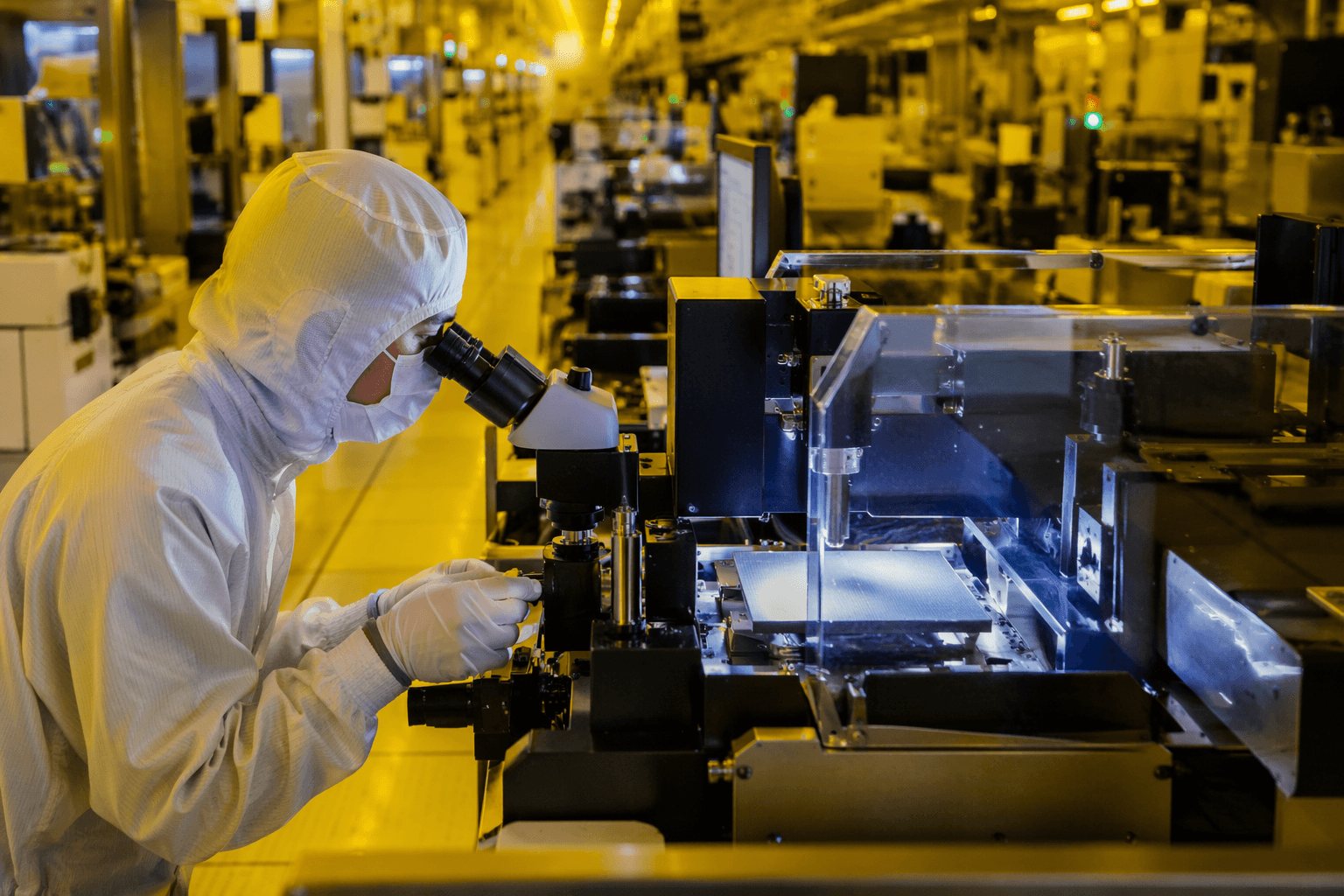
Samsung Electronics and SK Hynix pledged 3,200 trillion won, or about $2.07 trillion, to expand memory-chip production as South Korea races to secure a bigger share of the artificial-intelligence supply chain. The companies’ investment plan includes an 800 trillion won buildout in the country’s southwest, a push that President Lee Jae Myung publicly backed as his government moved to make chips and AI the center of its industrial strategy.
The money is aimed at high-bandwidth memory, the fast, power-hungry chips that feed advanced processors from Nvidia and devices from companies such as Apple. Samsung and SK Hynix are central players in the global contest for AI hardware, where production bottlenecks can be as important as software breakthroughs and where the U.S.-China rivalry has made chip supply chains a geopolitical fault line.
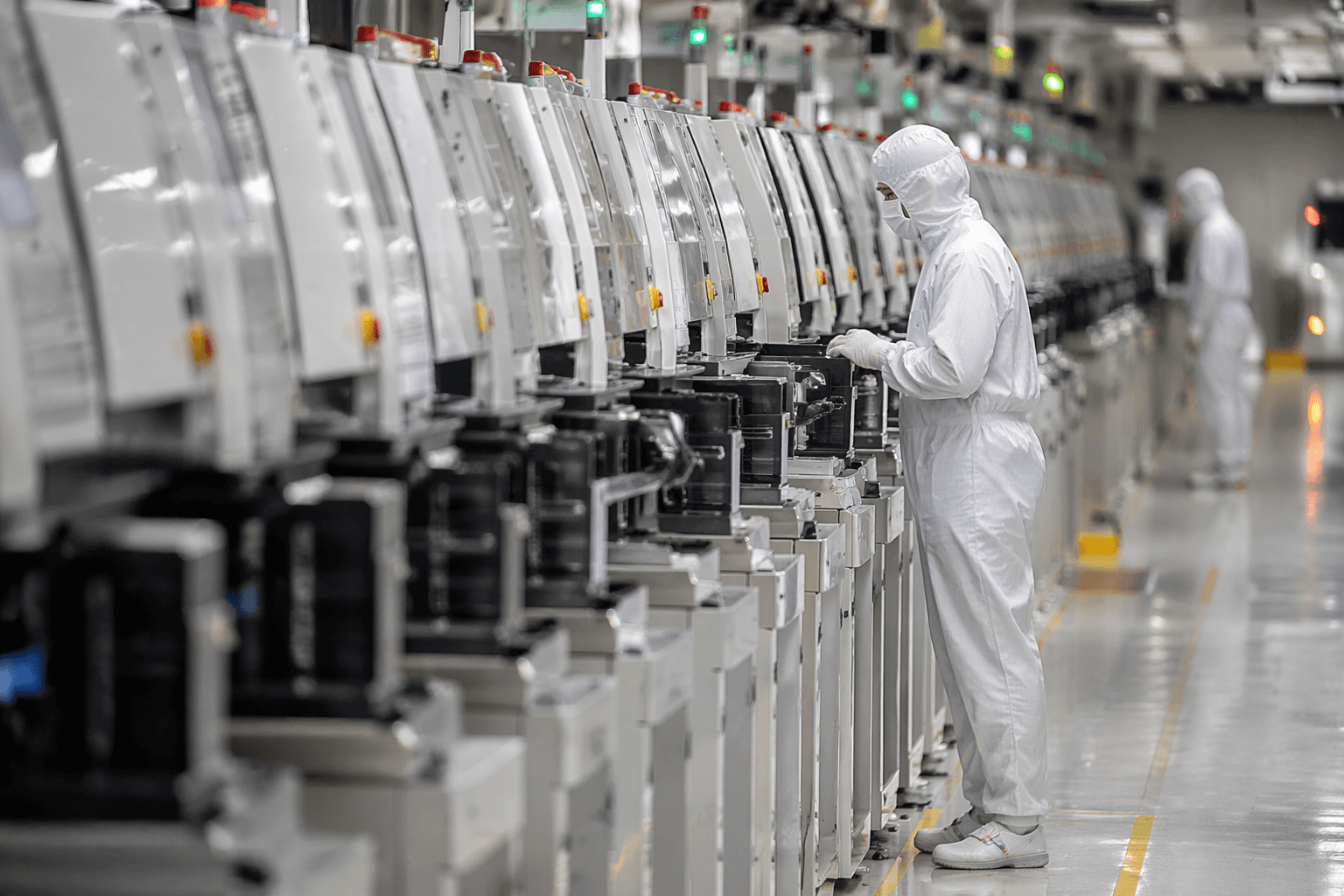
The government wants to double the country’s memory-chip production capacity within five years, and the two chipmakers are accelerating construction in the Yongin semiconductor cluster, where timelines that normally stretch 7 to 12 years could be shortened. The companies will also help build a new semiconductor base in South Jeolla Province, with Industry Minister Kim Jung-kwan saying the project would create a new production hub there.
SK Hynix has risen to become South Korea’s most valuable publicly traded company for the first time since 2000, powered by its lead in high-bandwidth memory. Morningstar estimated SK Hynix held about 30% of the global DRAM market and 20% of NAND in 2024, while one separate estimate put its HBM share at roughly 61%.
Samsung Electronics fell 4.8% and SK Hynix dropped 1.6% on the day the broader investment push was announced. Morningstar analyst Jing Jie Yu warned that accelerating spending raises the risk of oversupply later, and professor Lee Jong-ho said the investments appeared to have been pushed through too quickly.
The South Korean government unveiled its broader AI and semiconductor strategy on June 29, 2026, with some estimates placing the chip package above $576 billion and others pushing the combined AI-and-infrastructure effort past $900 billion. Alongside the southwest fab plans, Seoul also said it would foster an 81 trillion won back-end packaging hub in the Chungcheong region.
This article was produced by Prism’s automated news system from verified source data, official records, and press releases, then run through automated quality and moderation checks before publishing. The system is built and supervised by the people who set the standards it runs under. Read our full AI policy.
Did this article answer your question?