Samsung Brings Blood Pressure Monitoring to Galaxy Watch Users in U.S.
Samsung's Galaxy Watch can now track blood pressure in the U.S., but a mandatory monthly cuff calibration raises real questions about reliability and real-world compliance.
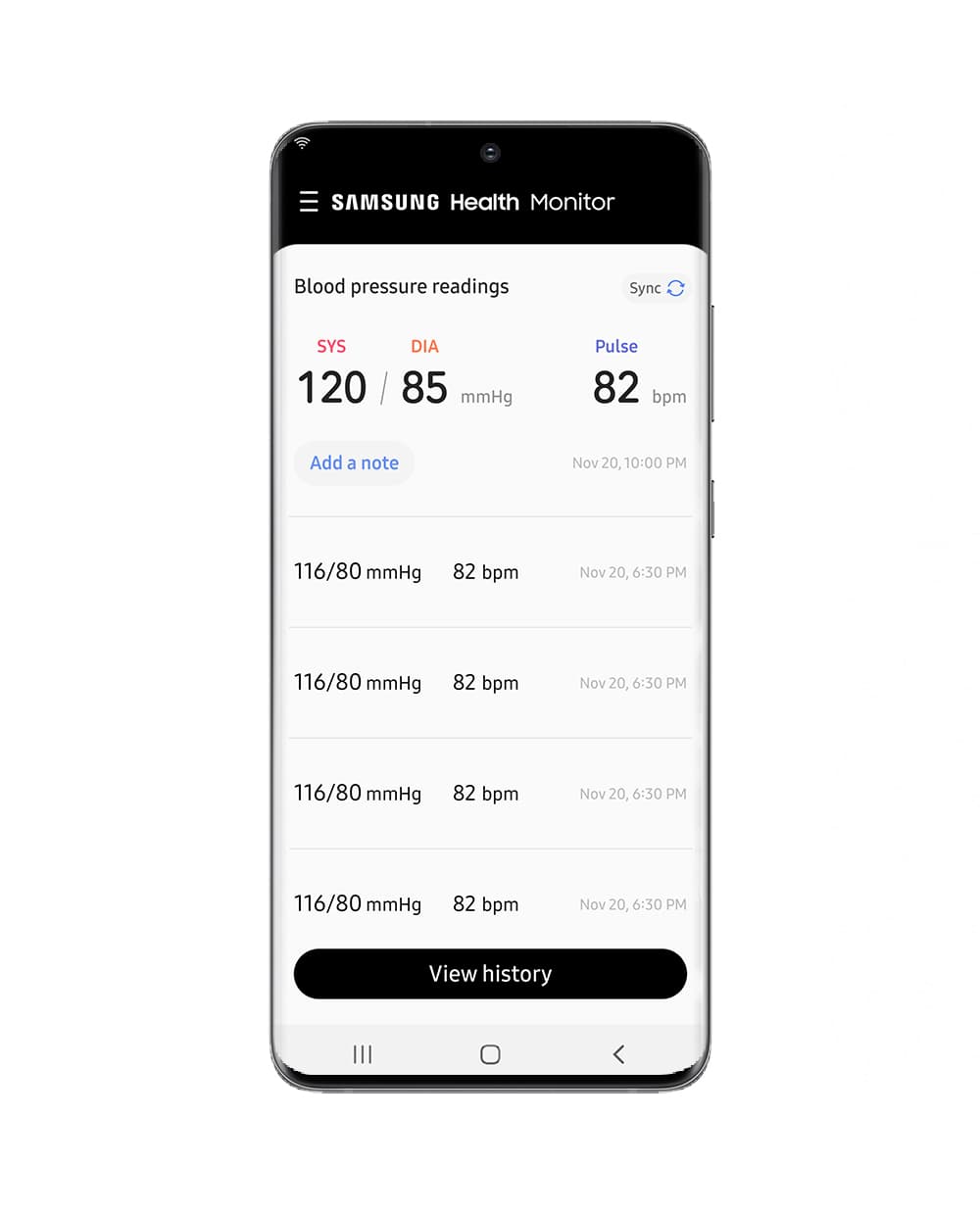
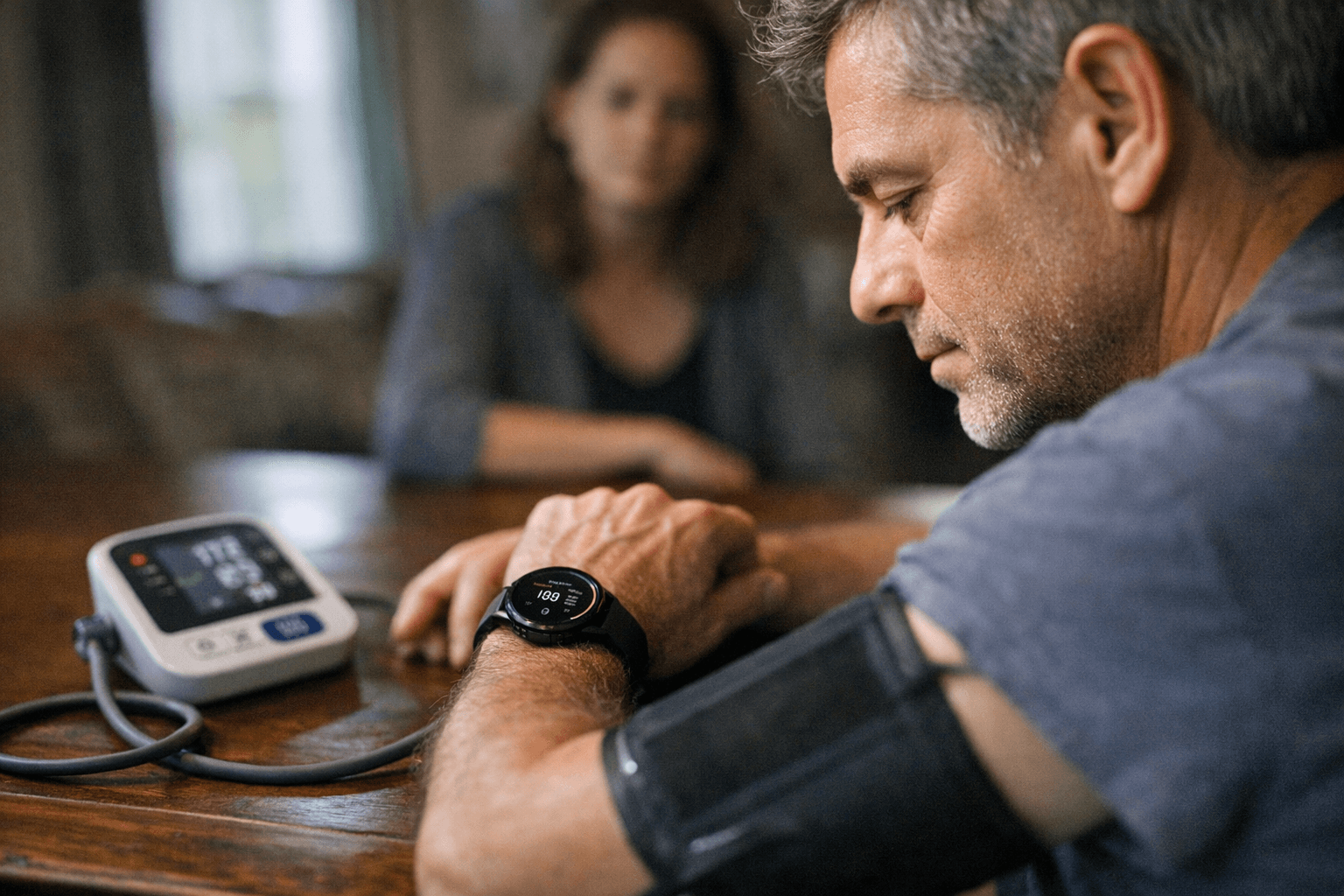
Samsung rolled out blood pressure monitoring to Galaxy Watch users in the United States on March 31, kicking off a phased launch that arrives nearly six years after the same feature debuted in South Korea and parts of Europe. The capability lands in the Samsung Health Monitor app on Galaxy Watch 4 and later models, delivering systolic and diastolic readings from optical sensors on the watch's back combined with Samsung's proprietary algorithms. Before any reading registers, though, users must complete a calibration step using a traditional upper-arm cuff, and they must repeat that calibration every 28 days or the watch's accuracy degrades.
That monthly cuff requirement is the central tension in the feature's consumer promise. An upper-arm blood pressure cuff costs anywhere from $25 to well over $100, and remembering to recalibrate on a four-week cycle adds a compliance burden that not every user will sustain. Without fresh calibration, the watch's optical estimates drift from actual values, which means readings users rely on could quietly become unreliable. Samsung requires a Samsung phone alongside the compatible watch to run the Health Monitor app, adding another hardware prerequisite that narrows the accessible audience.
Samsung was explicit about what the feature is not. The company's own language states the technology is "not intended for use in the diagnosis of disease or other conditions, or in the cure, mitigation, treatment or prevention of disease." The readings are designed for day-to-day trend monitoring, a distinction Samsung underscored in its materials and one that carries regulatory weight in the United States. Clinicians quoted in coverage of the launch reiterated that cuff-based oscillometric measurement remains the gold standard; wrist-based optical readings are sensitive to body positioning, movement, and individual skin characteristics in ways that upper-arm cuffs largely eliminate.
The backdrop makes the feature's arrival consequential. The Centers for Disease Control and Prevention reported that 119.9 million American adults, roughly half the adult population, had high blood pressure in 2025. That scale of unmanaged hypertension is precisely the context Samsung cited in positioning the watch as a tool for greater health awareness. Used consistently and calibrated properly, the watch could prompt users to seek clinical follow-up after seeing persistent elevation trends, which represents genuine public health value even without diagnostic precision.
Samsung also confirmed that passive, continuous blood pressure trend monitoring will be added to the Samsung Health app later in 2026, a planned expansion that would remove the friction of initiating individual readings but also raises questions about how background data collection will be communicated to users and regulators.
The U.S. launch sharpens Samsung's competition with Apple, which has faced years of consumer and investor pressure to add blood pressure capabilities to the Apple Watch. For now, Samsung holds that ground in the American market, but the regulatory and clinical questions this rollout surfaces will shape how both companies, and the broader wearables industry, navigate the blurring line between fitness tracker and medical device. A watch that can surface meaningful cardiovascular trend data is genuinely useful; one that users misconstrue as a diagnostic tool carries real risk. Getting that distinction across to millions of consumers is the challenge no firmware update can solve.
This article was produced by Prism’s automated news system from verified source data, official records, and press releases, then run through automated quality and moderation checks before publishing. The system is built and supervised by the people who set the standards it runs under. Read our full AI policy.
Did this article answer your question?