Samsung posts record profit as HBM and DRAM demand surges
Samsung's AI-driven memory boom lifts it to record quarterly revenue and operating profit, reshaping chip markets and investor gains.
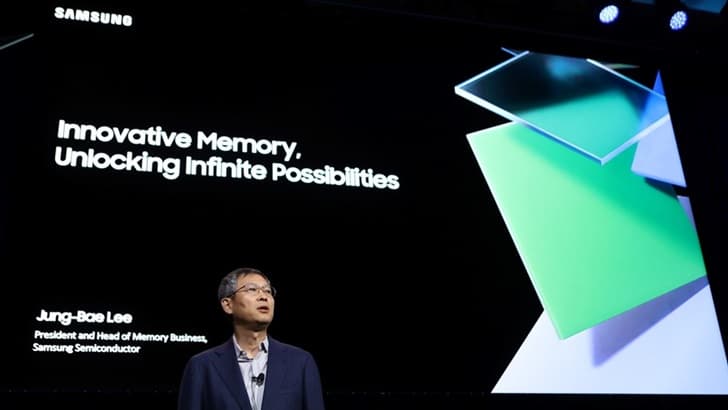
Samsung Electronics posts its largest quarterly revenue and operating profit as booming demand for memory used in AI data centers drives a steep rise in prices and volumes for premium chips. For the quarter ended Dec. 31, 2025 the company reports consolidated revenue of KRW 93.8 trillion and an all-time high operating profit of roughly KRW 20.07 trillion, figures the company and markets have commonly rounded to KRW 20.1 trillion.
The Device Solutions division, Samsung's semiconductor arm, is the clear engine behind the results. DS sales rose 33 percent sequentially, and the Memory Business delivered record quarterly revenue and operating profit despite constrained supply. Company disclosures attribute the strength to strong conventional DRAM demand, expanded sales of high-bandwidth memory, server DDR5 and enterprise SSDs, and an overall market price surge for memory products. Samsung emphasizes the rapid expansion of HBM sales as a principal profitability driver and is due to begin HBM4 production in February 2026.
Full-year figures show the scale of the shift in 2025. Samsung reports annual revenue of KRW 333.6 trillion and annual operating profit of KRW 43.6 trillion, while the company increased R&D spending to a record KRW 37.7 trillion for the year. Research and development expenditures rose to KRW 10.9 trillion in the fourth quarter, a KRW 2.0 trillion sequential increase, signaling sustained capital allocation toward next-generation chips and factory upgrades.
Not all parts of Samsung benefited. The Device eXperience division, which includes smartphones and TVs, saw sequential revenue decline of 8 percent as new model launch effects faded and competitive pressure persisted. Mobile operating profit was KRW 1.9 trillion in the quarter, down from KRW 2.1 trillion a year earlier, and the broader DX division reported operating profit of KRW 1.3 trillion. The home appliances unit swung to an operating loss of KRW 600 billion, attributing the reversal largely to global tariff issues.
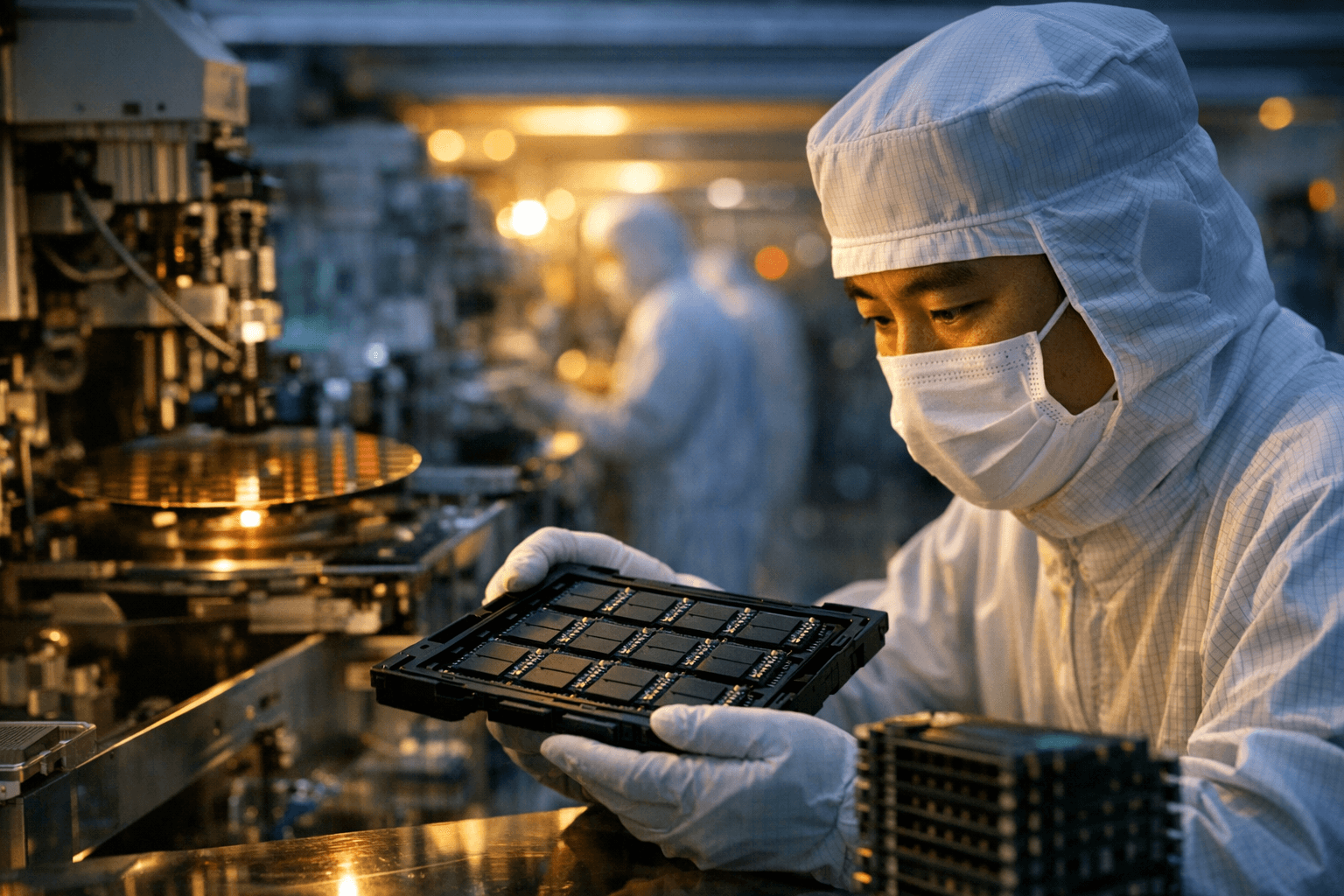
Markets have rewarded the semiconductor strength. Over the past six months Samsung shares have risen about 130 percent, while a major domestic peer with a heavy AI memory exposure has climbed roughly 220 percent in the same period. Industry reports also suggest Nvidia and other hyperscalers are reallocating HBM4 demand, with roughly 70 percent of expected 2026 HBM4 orders directed to one rival, a development that could reshape supplier dynamics as HBM4 ramps.
The immediate policy and market implications are twofold. First, the surge validates large investments in memory capacity and R&D, reinforcing South Korea's strategic position in the global semiconductor supply chain. Second, the price spike that boosts chipmaker margins may also intensify market volatility and weigh on adjacent markets such as mobile and PC if higher memory costs filter through to device makers and consumers.
Samsung warns that while structural growth from AI and servers should continue, sharp memory price moves and constrained supply could temper downstream demand. For investors and policymakers, the quarter underscores both the scale of AI-driven hardware change and the importance of managing capacity expansions and trade frictions to sustain long-term competitiveness.
This article was produced by Prism’s automated news system from verified source data, official records, and press releases, then run through automated quality and moderation checks before publishing. The system is built and supervised by the people who set the standards it runs under. Read our full AI policy.
Did this article answer your question?