Samsung strike averted as chip workers' bonuses surge to $340,000
Samsung averted a strike after offering chip workers bonuses averaging up to $340,000, underscoring how AI demand is reshaping the labor market.

Samsung Electronics has defused a labor confrontation that threatened to become the biggest strike in its history, after last-minute government-mediated talks produced a tentative wage deal that sends semiconductor bonuses soaring. The National Samsung Electronics Union suspended an 18-day strike plan just before it was due to begin on Thursday, May 21, and about 70,000 members were expected to vote on the agreement beginning Friday, May 22.
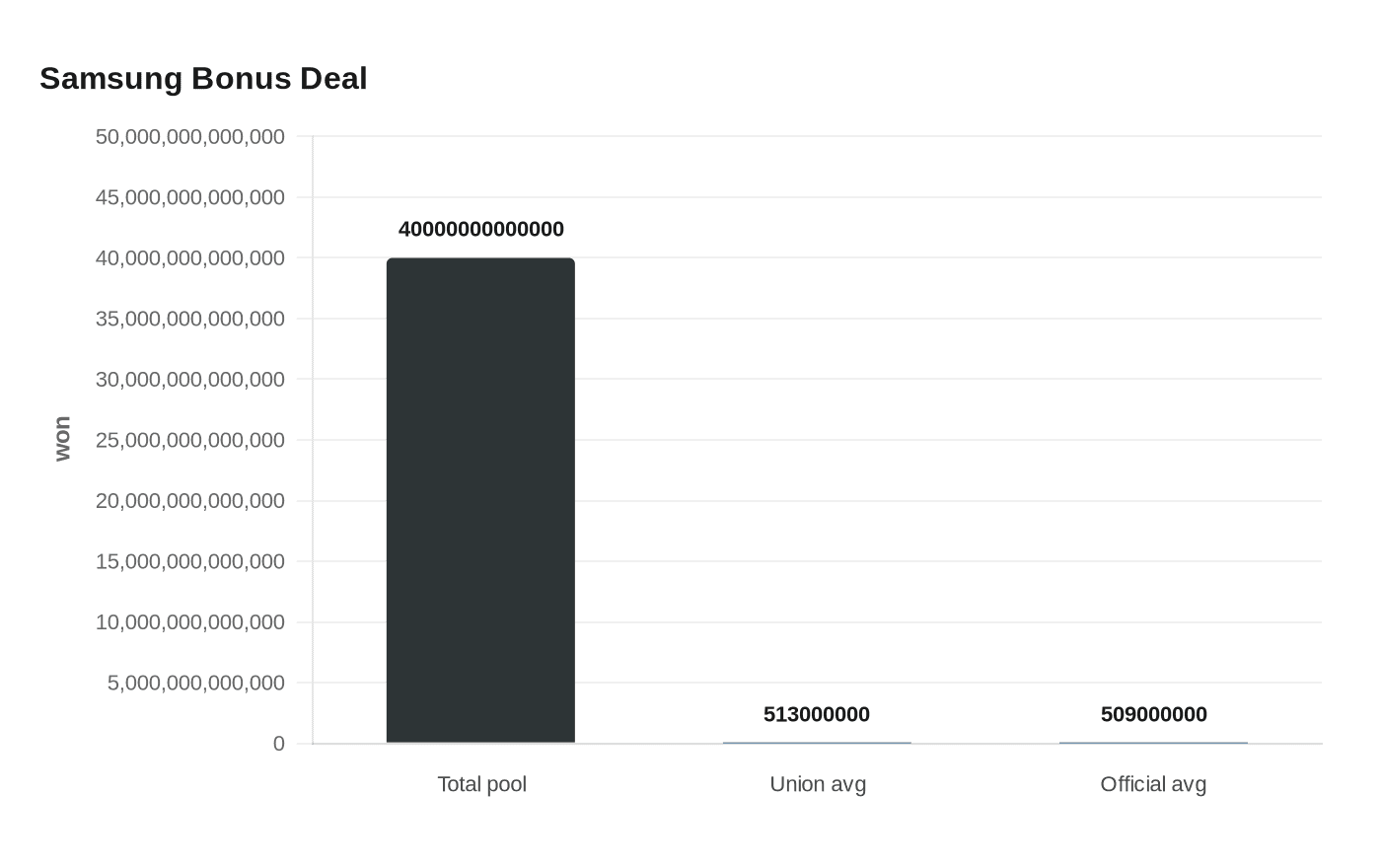
At the center of the dispute was money, and how much of Samsung’s chip windfall should flow to workers. The union had pushed for a larger share of semiconductor operating profit and for the removal of a 50% bonus cap. Under the tentative terms, Samsung will distribute about 40 trillion won, or $26.6 billion, in bonuses to chip employees this year. Based on the proposed terms and estimates for 2026 operating profit, workers stand to receive an average of 513 million won, about $340,000. A Samsung company official put the average slightly lower, at 509 million won, or about $338,000.
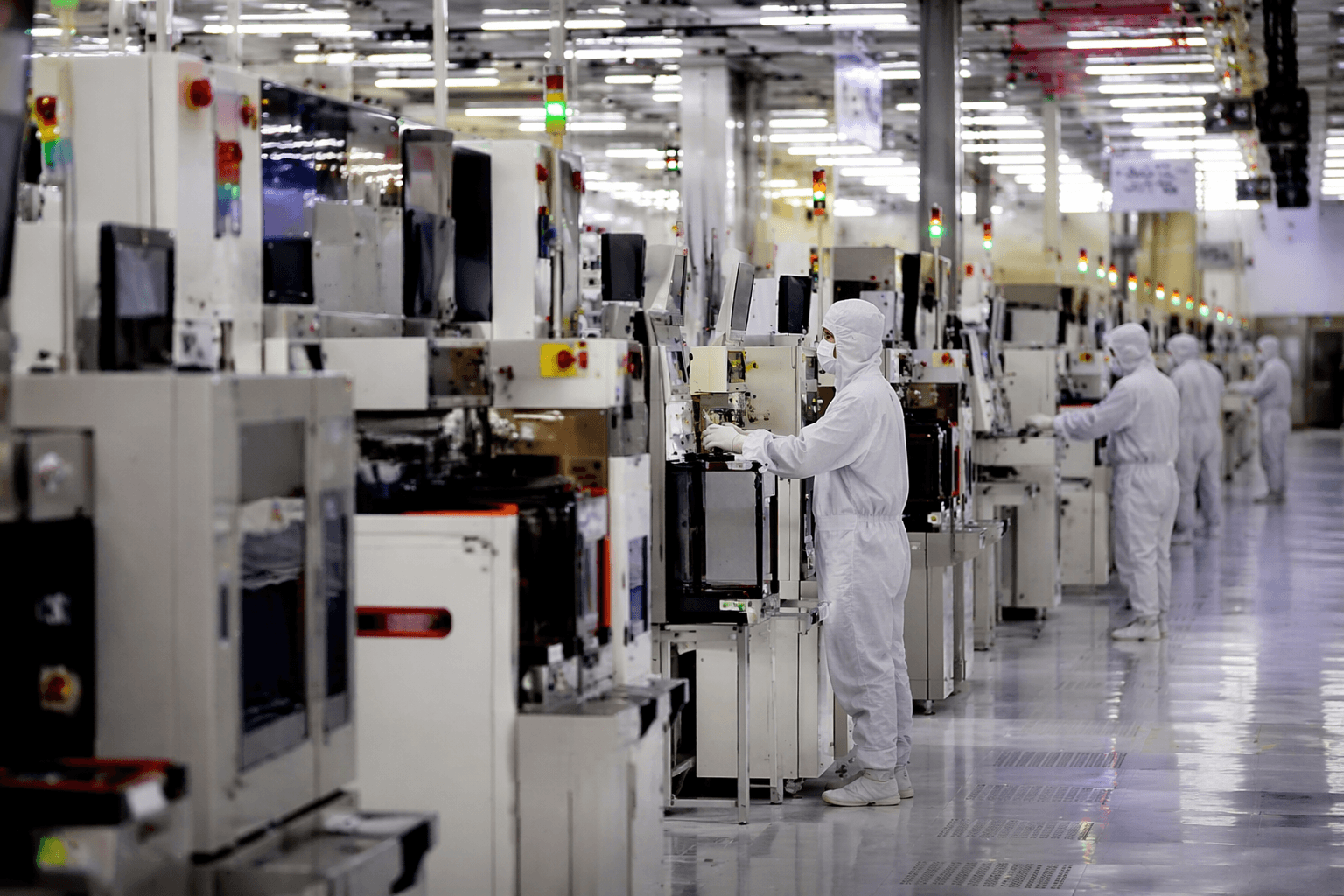
The numbers are remarkable even by the standards of a premium technology employer, and they point to a broader shift in the global chip labor market. Samsung’s semiconductors division employs about 78,000 people, and the scale of the payout suggests that skilled chip labor is gaining leverage in one of the world’s most strategically important industries. In a sector where output depends on specialized engineers, technicians and manufacturing staff, the ability of workers to threaten a major shutdown is becoming more consequential, especially as demand tied to artificial intelligence keeps memory chips in tight focus.
That demand matters because Samsung’s chip business is being pulled in by the AI boom at the same time governments are trying to secure semiconductor supply chains. Memory chips are needed not just for AI data centers, but also for smartphones and laptops, which gives Samsung’s production lines a direct link to the wider technology cycle. South Korea’s labor ministry became involved in the bargaining, a sign that the dispute had grown beyond a company pay fight into a matter with national economic stakes.
The standoff also highlighted the growing contrast with rival SK hynix, where worker bonuses have reportedly been much higher. For Samsung, the tentative settlement is an expensive peace, but one that reflects the new economics of chips: in an era of AI-fueled demand, the companies that build the hardware are under pressure to share more of the gains with the people who keep the fabs running.
Know something we missed? Have a correction or additional information?
Submit a Tip