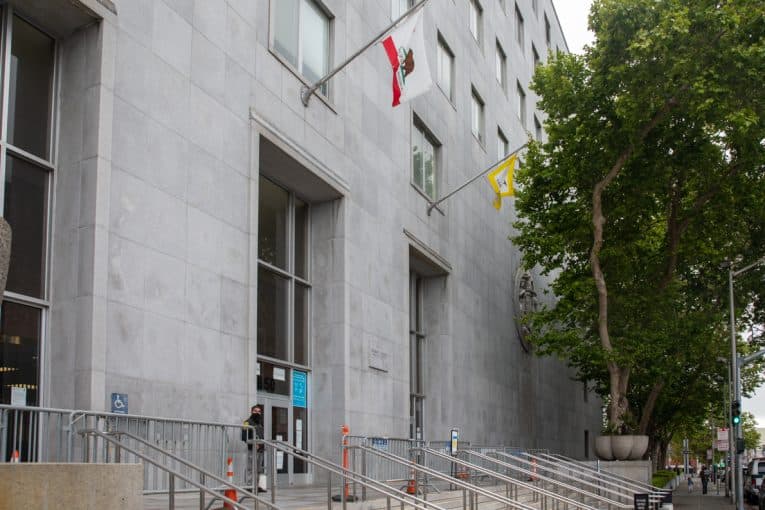
San Francisco secures nearly $4 million from flavored pouch retailers
San Francisco won close to $4 million in settlements with online retailers over banned flavored nicotine pouches. The settlements aim to stop shipments and reinforce the city's 2019 flavor ban.
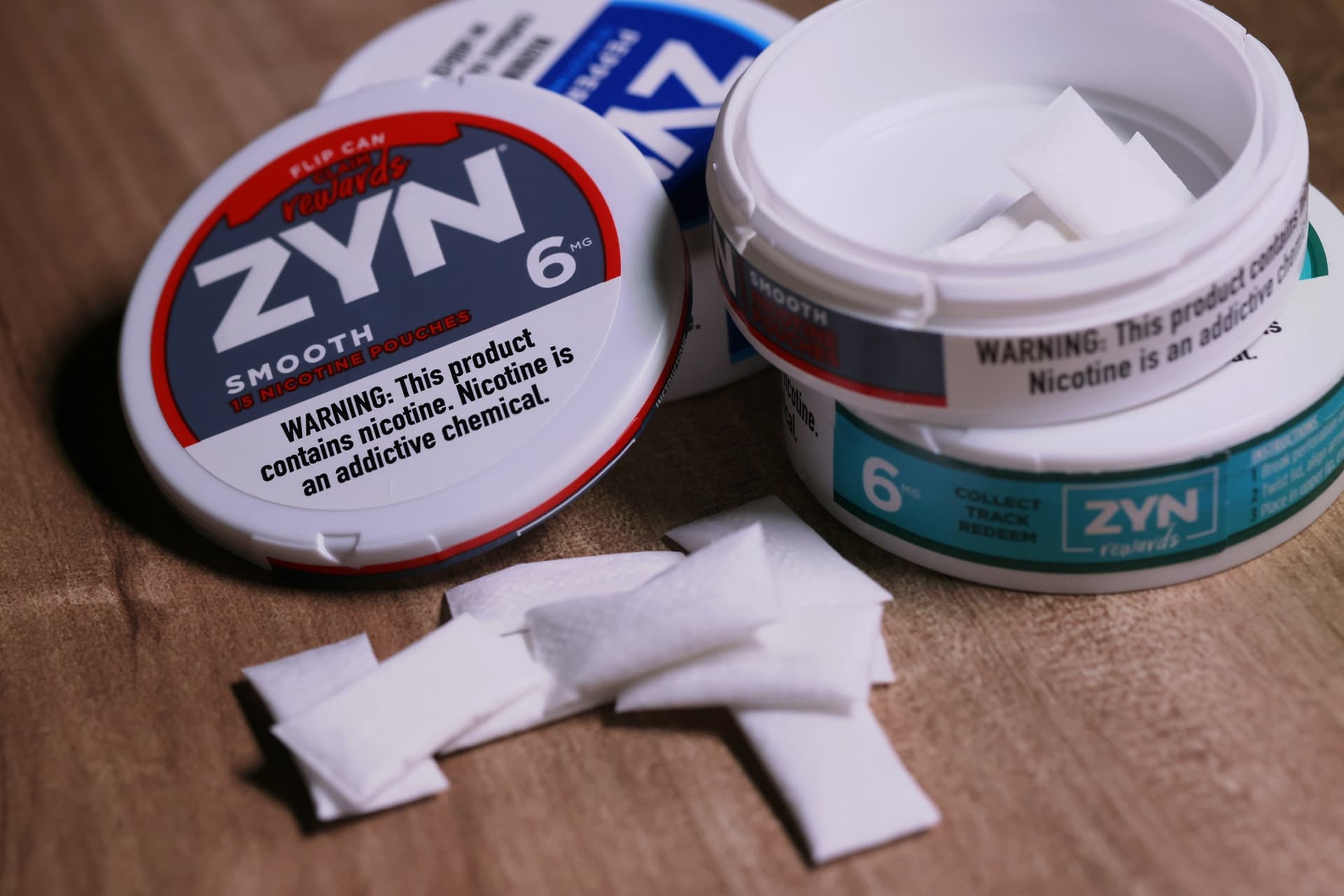
San Francisco's city attorney announced that the city has collected nearly $4 million through a series of settlements with online retailers accused of selling flavored nicotine pouches that have been banned in the city since 2019. One of the settlements, a $1 million agreement with Lucy Goods Inc., requires the company to stop shipping flavored pouches into San Francisco, part of a broader enforcement push to close an online sales loophole.
The settlements mark a shift in local enforcement from warning and retailer education to civil enforcement and financial penalties aimed at online sellers. City attorneys have used settlement agreements that combine monetary penalties with injunctive terms requiring cessation of shipments to city addresses. Officials say prior enforcement actions and other settlements brought the total to roughly $4 million, underscoring the scale of noncompliance among sellers using internet marketplaces and direct-to-consumer shipping.
The public-health rationale behind the ban is longstanding: flavored nicotine products, including brands such as Zyn, are widely viewed by local policymakers as particularly appealing to young people and as a driver of nicotine initiation. San Francisco enacted the prohibition in 2019 to reduce youth exposure and curb the proliferation of flavored alternatives as tobacco companies and e-commerce firms shifted focus away from combustible products.
Online sales have complicated local compliance because retailers can list, advertise, and ship products from outside city limits, complicating traditional city-level regulatory reach. Enforcement requires legal action to compel out-of-jurisdiction businesses to stop fulfilling orders destined for San Francisco. The settlements with online retailers signal the city is prioritizing civil remedies that can impose financial consequences and obtain binding commitments to block shipments.
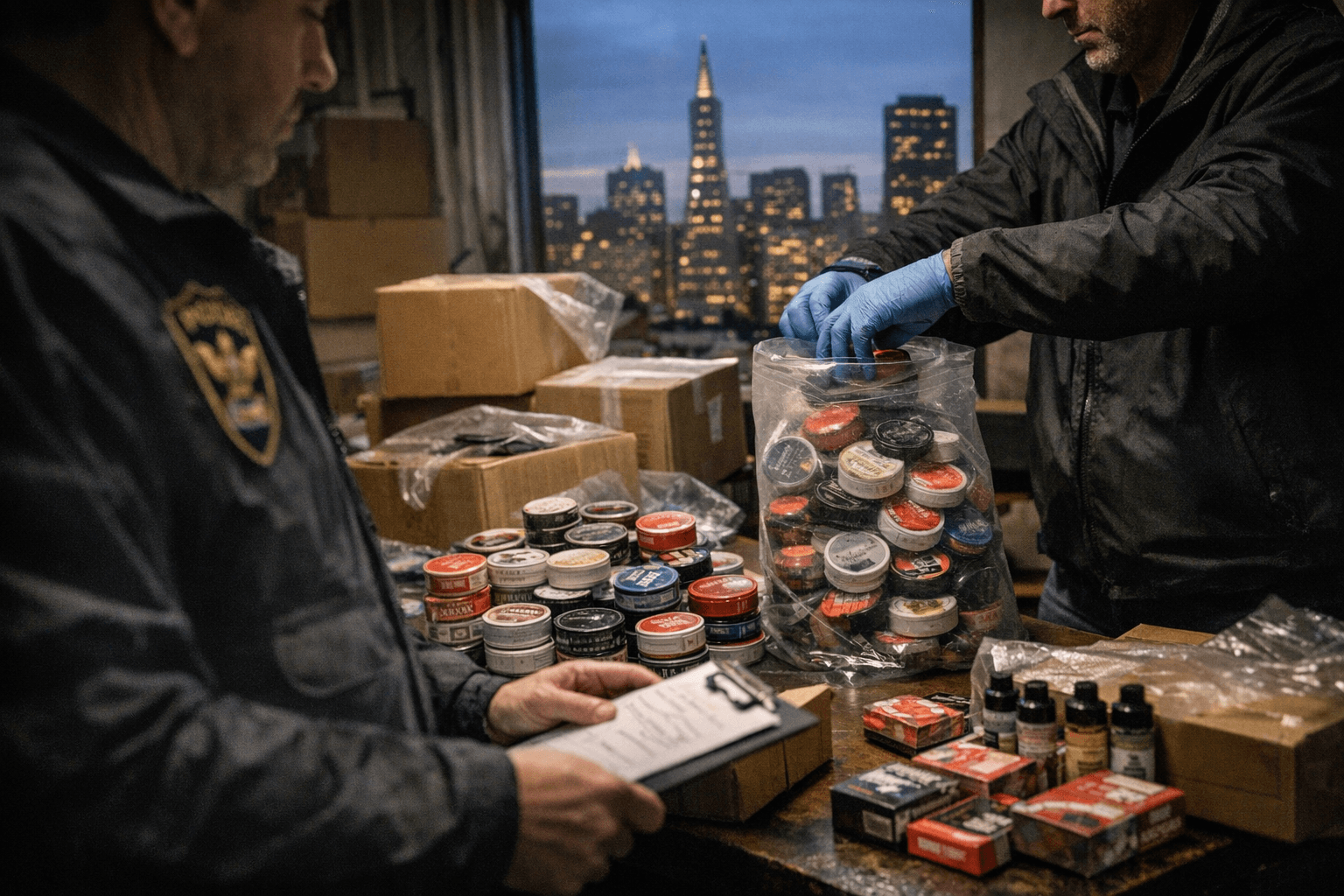
The institutional implications extend beyond immediate penalties. Persistent online sales suggest limits to municipal authority over cross-jurisdictional commerce, creating pressure for coordinated state or federal approaches or for platform-level compliance mechanisms. For San Francisco, the settlements function as both punishment and a deterrent, but they also consume legal resources and require ongoing monitoring to ensure compliance.
For residents, the immediate impact should be a reduction in the availability of flavored nicotine pouches shipped directly into the city, reinforcing the intent of the 2019 ban. Public-health advocates and city officials will likely continue to watch online marketplaces and pursue additional enforcement where sellers ignore local law.
This enforcement episode highlights the challenge of regulating digital commerce within municipal public-health policy. Expect the city attorney's office to continue pursuing legal remedies while policymakers consider whether broader regulatory changes are needed to prevent online circumvention and protect San Francisco youth.
Sources:
Know something we missed? Have a correction or additional information?
Submit a Tip