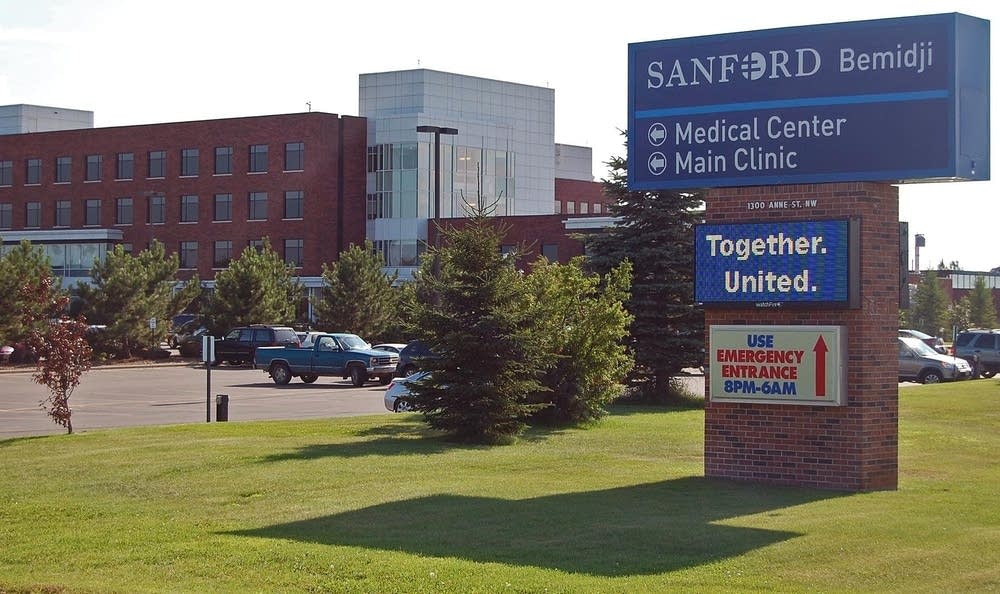
Sanford Health installs naloxone boxes in Bemidji and Bagley emergency departments
Sanford Health placed naloxone distribution boxes in local emergency departments so anyone can take Narcan without a prescription, expanding overdose prevention in Beltrami County.
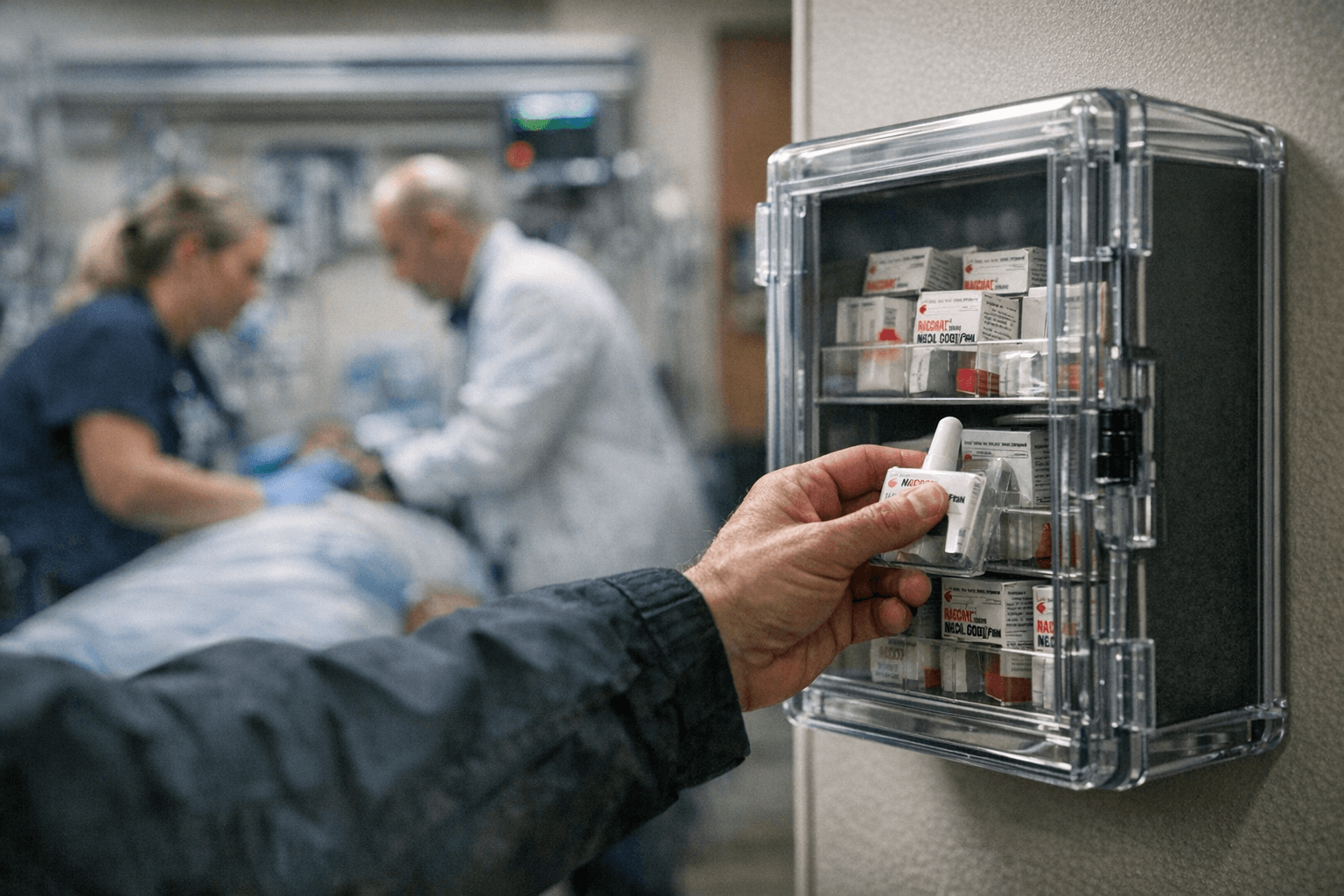
Sanford Health has placed naloxone distribution boxes in the emergency departments at its Bemidji and Bagley hospitals to broaden access to a life-saving overdose reversal medication in Beltrami County. The boxes allow anyone to remove naloxone doses at any time with no prescription, training or questions, a move supporters say will reduce barriers for people at highest risk.
The effort is funded in part by a Minnesota Department of Health Overdose Data to Action grant and aims to reach people during critical windows of vulnerability. "Overdose risk is particularly high following hospital discharge or release from incarceration," the release said. "Providing naloxone during these high-risk periods is one of the most effective ways to prevent overdose deaths and create opportunities for patients and the community to connect with additional care and support when they are ready."
Naloxone, commonly known by the brand name Narcan, rapidly restores breathing when opioids slow or stop respiration. It is non-addictive, safe for adults and children, and has no effect if opioids are not present in a person’s system. Multiple doses can be used when required. Sanford Health emphasizes that medical attention is still necessary after an overdose reversal because naloxone’s effects are temporary and professional care increases the likelihood of survival.
For people in Beltrami County who face transportation, stigma or scheduling hurdles, self-serve naloxone boxes cut red tape. Emergency departments often serve as a last touchpoint for someone after an overdose or as an entry point for people living with substance use disorders who are not connected to ongoing treatment. Making naloxone available without questions recognizes those realities and aims to prevent fatalities while preserving privacy and dignity.
Sanford Health also offers ongoing treatment options for opioid use disorder, including medications such as buprenorphine that reduce cravings and lower the risk of future overdose. Recovery Medicine clinics in Bemidji and Cass Lake provide medication treatment, counseling and care coordination for people seeking support for opioid, alcohol and other substance use disorders. More information is available at sanfordhealth.org.
Increasing naloxone access is one practical step, but it sits alongside larger needs: stable housing, reliable transportation, culturally competent care, and reentry supports for people coming out of incarceration. Our two cents? Keep a dose within reach if you or someone you love uses opioids, call 911 after any overdose reversal, and if you need help take the next step by contacting Sanford’s Recovery Medicine services at sanfordhealth.org — small actions here can save lives in our lake country community.
Sources:
Know something we missed? Have a correction or additional information?
Submit a Tip