Satellite images reveal China’s new nuclear missile network in Xinjiang
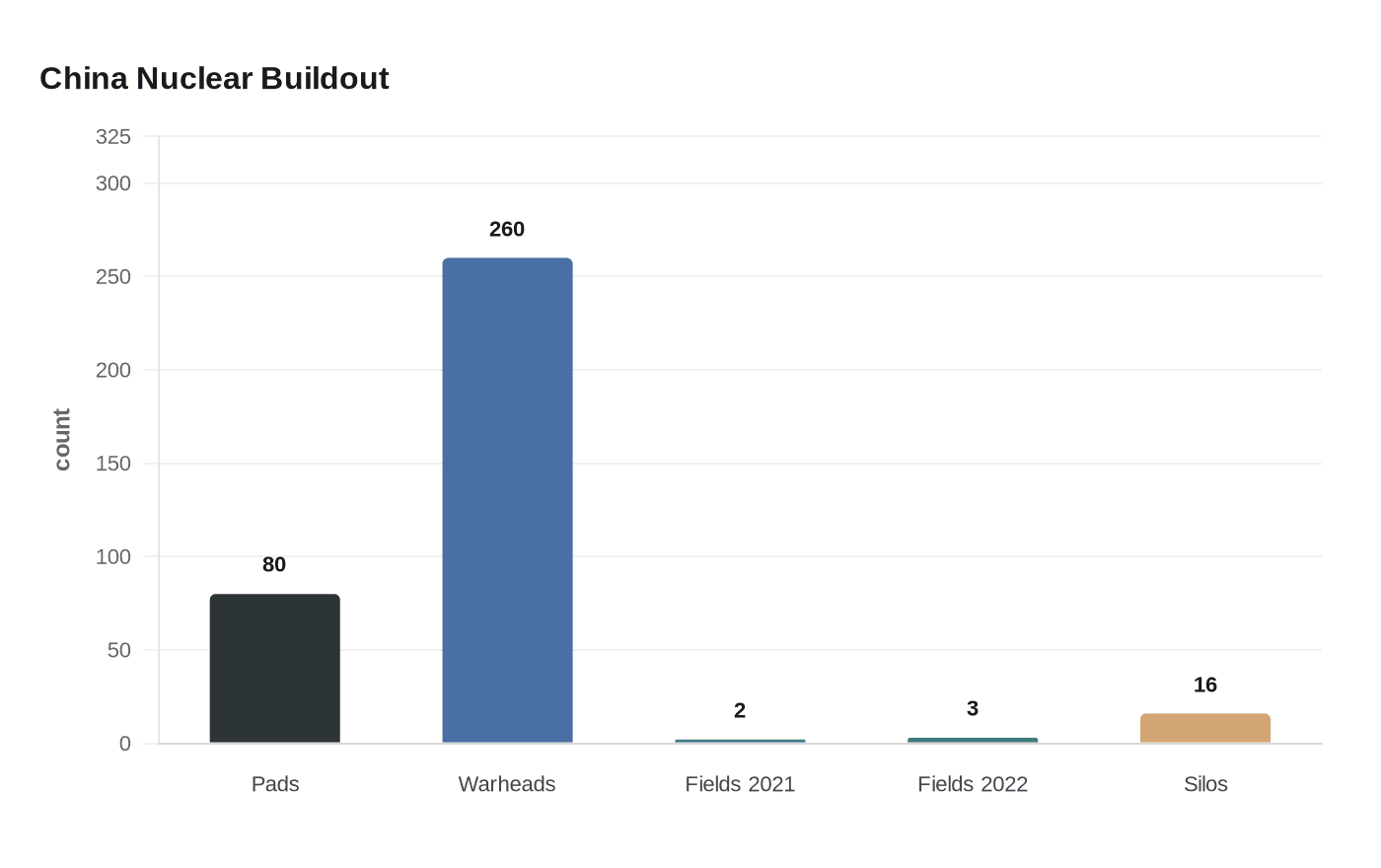
More than 80 launch pads and support sites have appeared near China’s Xinjiang missile silos, signaling a deeper effort to harden its nuclear deterrent and complicate U.S. planning.
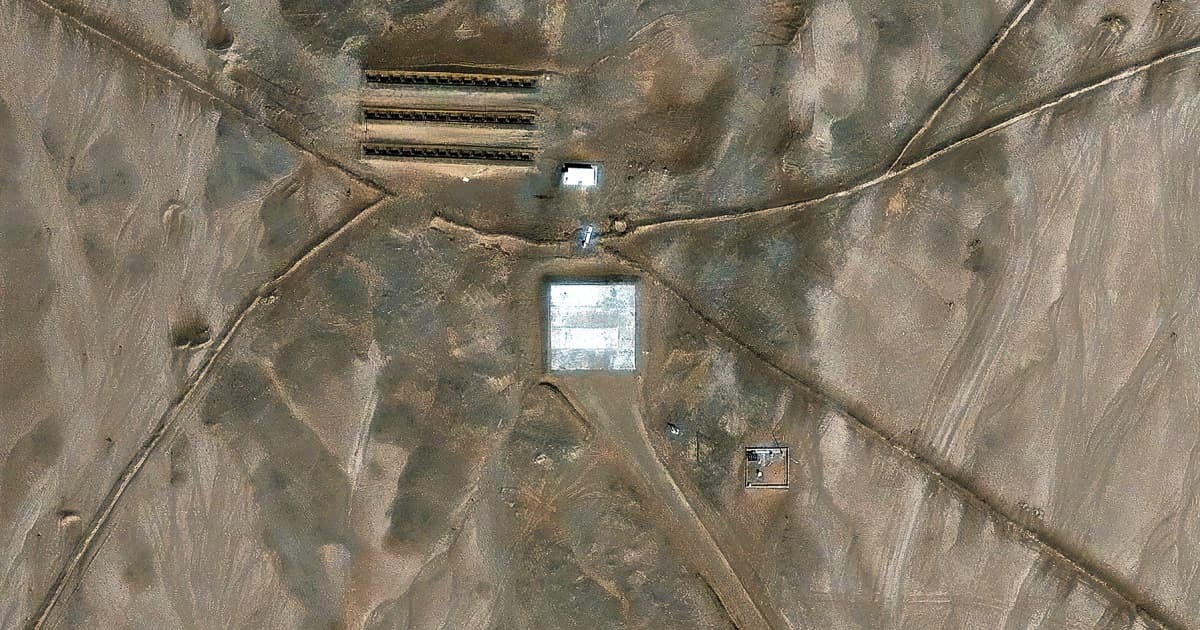
China is building a large new network of launch pads, bunkers and communications sites around its missile silos in the Xinjiang Uyghur Autonomous Region, a move that points to far more than routine maintenance. More than 80 pads are under construction near silo areas in two isolated desert networks, and analysts say the scale and layout suggest Beijing is trying to protect the land-based missiles that anchor its strategic deterrent while making any attempt to neutralize them far more difficult.
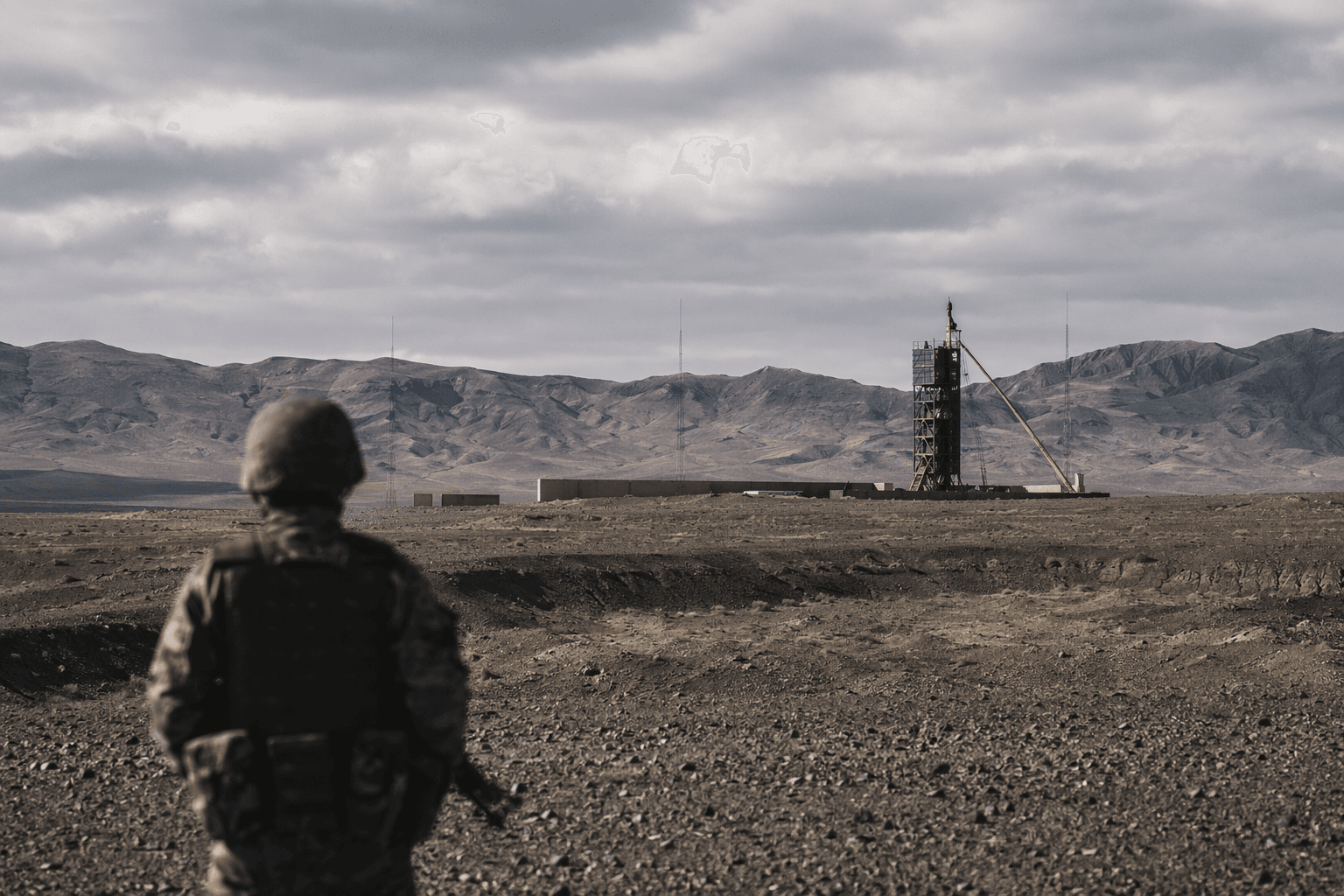
The new infrastructure stretches across remote ground linked by roads and possible communications conduits, with facilities that appear suited for mobile missile launchers, air-defense batteries, electronic warfare, satellite communications and command operations. That mix matters. China’s nuclear warheads are widely believed to be stored separately from delivery vehicles in peacetime and not kept ready for immediate launch, so a wider web of hardened sites could improve survivability, shorten response times and give the People’s Liberation Army more options if a crisis with the United States or over Taiwan ever escalates.
The buildout comes as China’s arsenal remains comparatively small by global standards, with the Stockholm International Peace Research Institute estimating roughly 260 warheads. Even so, U.S. State Department reporting in 2024 described the People’s Republic of China as rapidly building a large and sophisticated nuclear force, and SIPRI’s 2025 yearbook warned that the nine nuclear-armed states continued modernizing their arsenals in 2024 and that a dangerous new arms race is emerging. The new sites in Xinjiang also sit against a broader history of Chinese missile expansion: open-source researchers identified two major silo fields in 2021, and a third was identified by 2022. At least 16 silos were later identified under construction in one sprawling training area.
Analysts say the new construction looks less like a sudden offensive shift than a deliberate effort to strengthen second-strike credibility and preserve ambiguity about how China would fight a nuclear war. Alexander Neill has said the work covers thousands of square kilometers and marks a significant enhancement and diversification of China’s strategic deterrent. That is the strategic signal now coming out of the desert: not just more missiles, but a denser, harder-to-read posture designed to complicate deterrence planning for Washington and its allies.
This article was produced by Prism’s automated news system from verified source data, official records, and press releases, then run through automated quality and moderation checks before publishing. The system is built and supervised by the people who set the standards it runs under. Read our full AI policy.
Did this article answer your question?