Saudi Arabia stuns Uruguay with first-half lead in World Cup opener
Abdulelah Al-Amri’s first-half strike sent Saudi Arabia to halftime up 1-0 on Uruguay in Miami, a jolt that underlined a changing global soccer order.

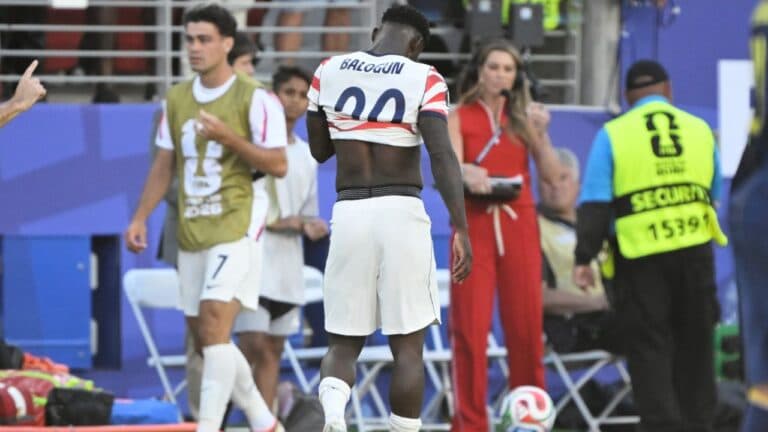
Saudi Arabia went to halftime leading Uruguay 1-0 at Hard Rock Stadium in Miami Gardens, a result that turned Group H’s opening match into an early warning for the tournament’s established powers. Abdulelah Al-Amri scored the goal, and Georgios Donis celebrated on the Saudi bench as the underdog seized control against a team many expected to impose itself from the start.
The match began at 22:00 local time on June 15, 2026, in a Group H that FIFA had already billed as one of the World Cup’s most demanding, alongside Spain and Cabo Verde. Uruguay arrived with Marcelo Bielsa on the sideline and a reputation for control, but Saudi Arabia’s first-half lead suggested that reputation alone would not protect traditional favorites from pressure in this new World Cup landscape.

The score carried immediate historical weight. Uruguay had beaten Saudi Arabia 1-0 at the 2018 World Cup, a narrow result that had long stood as a reminder of the gap between the two sides. Al-Amri’s goal briefly reversed that script in Miami, giving Saudi Arabia a moment that felt bigger than one opening half and more like the latest proof that the group stage no longer belongs automatically to the usual suspects.
That message had been reinforced before kickoff by Saudi Arabia’s recent tournament history. In Qatar in 2022, the Saudis delivered one of the World Cup’s great shocks by defeating Lionel Messi’s Argentina in their opening match, a result that reshaped how opponents viewed them and widened expectations around Saudi football’s rise. With Donis having replaced Hervé Renard, Saudi Arabia again showed that its program could generate problems for a South American heavyweight in a high-pressure debut.
For Uruguay, the first half exposed a familiar vulnerability: the margin for error in a compact World Cup group is thin, and a single lapse can change the entire rhythm of the campaign. For Saudi Arabia, the lead was more than a surprise scoreline. It was evidence that investment, continuity, and belief have started to translate into real competitive leverage against a field where Spain, Uruguay, and other powers can no longer assume control from the opening whistle.
This article was produced by Prism’s automated news system from verified source data, official records, and press releases, then run through automated quality and moderation checks before publishing. The system is built and supervised by the people who set the standards it runs under. Read our full AI policy.
Did this article answer your question?