Saudi Aramco profit jumps as oil surge and pipeline offset war hit
Aramco’s profit surged to $32.5 billion as its pipeline hit full capacity, a sign the Gulf oil shock is still rippling into U.S. fuel costs.

Saudi Aramco posted a sharp first-quarter profit gain even as war-related disruption tightened oil flows across the Middle East, a combination that underscores how much of the world’s spare supply now depends on Saudi infrastructure running at maximum strength.
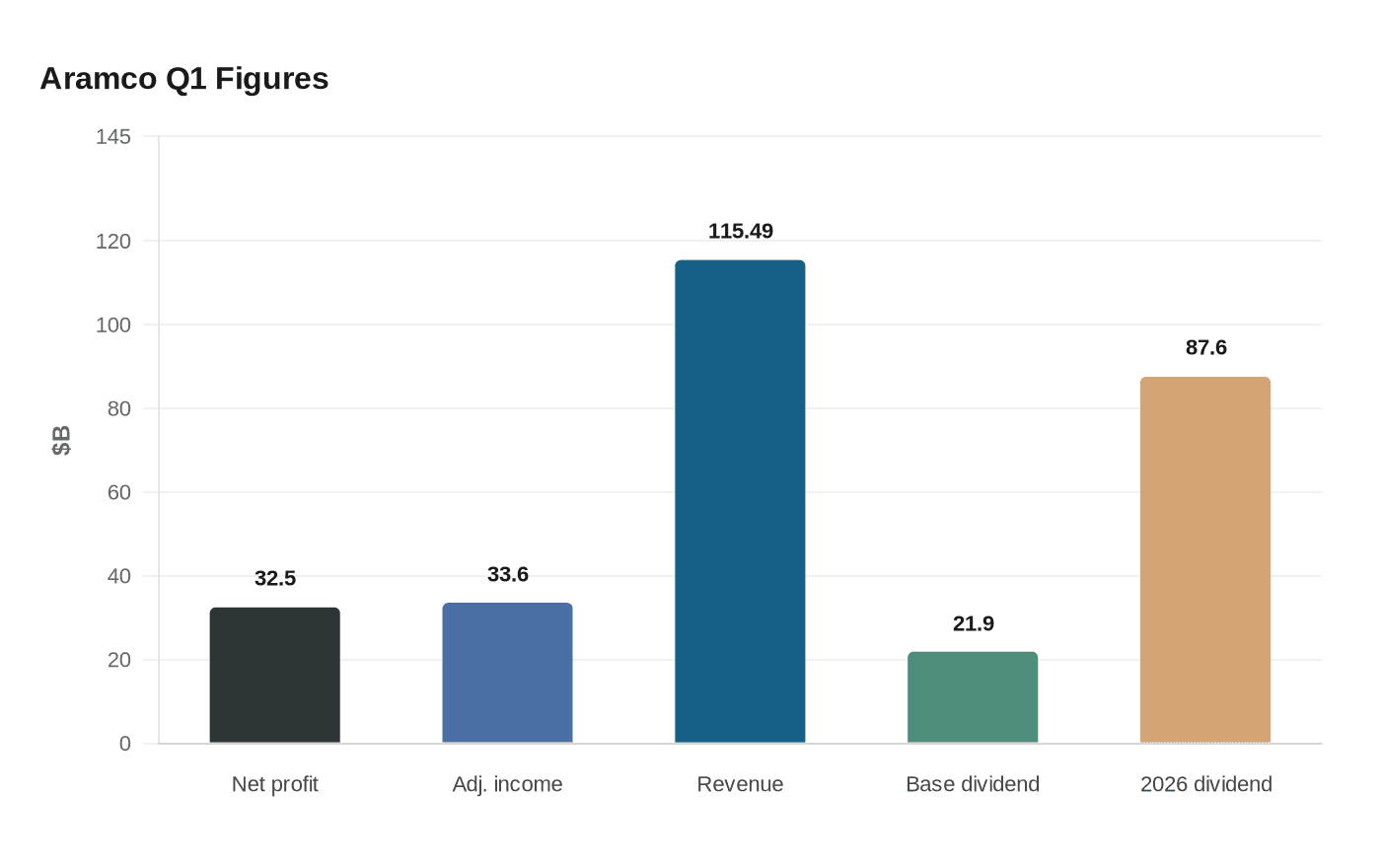
Net profit reached $32.5 billion in the three months ended March 31, while adjusted net income came in at $33.6 billion. Revenue rose 11.4% from a year earlier to SAR 433.1 billion, or $115.49 billion, helped by stronger crude, refined and chemical sales volumes. Aramco also lifted its first-quarter base dividend to $21.9 billion, up 3.5% from a year earlier, and kept its expected full-year 2026 dividends at $87.6 billion.
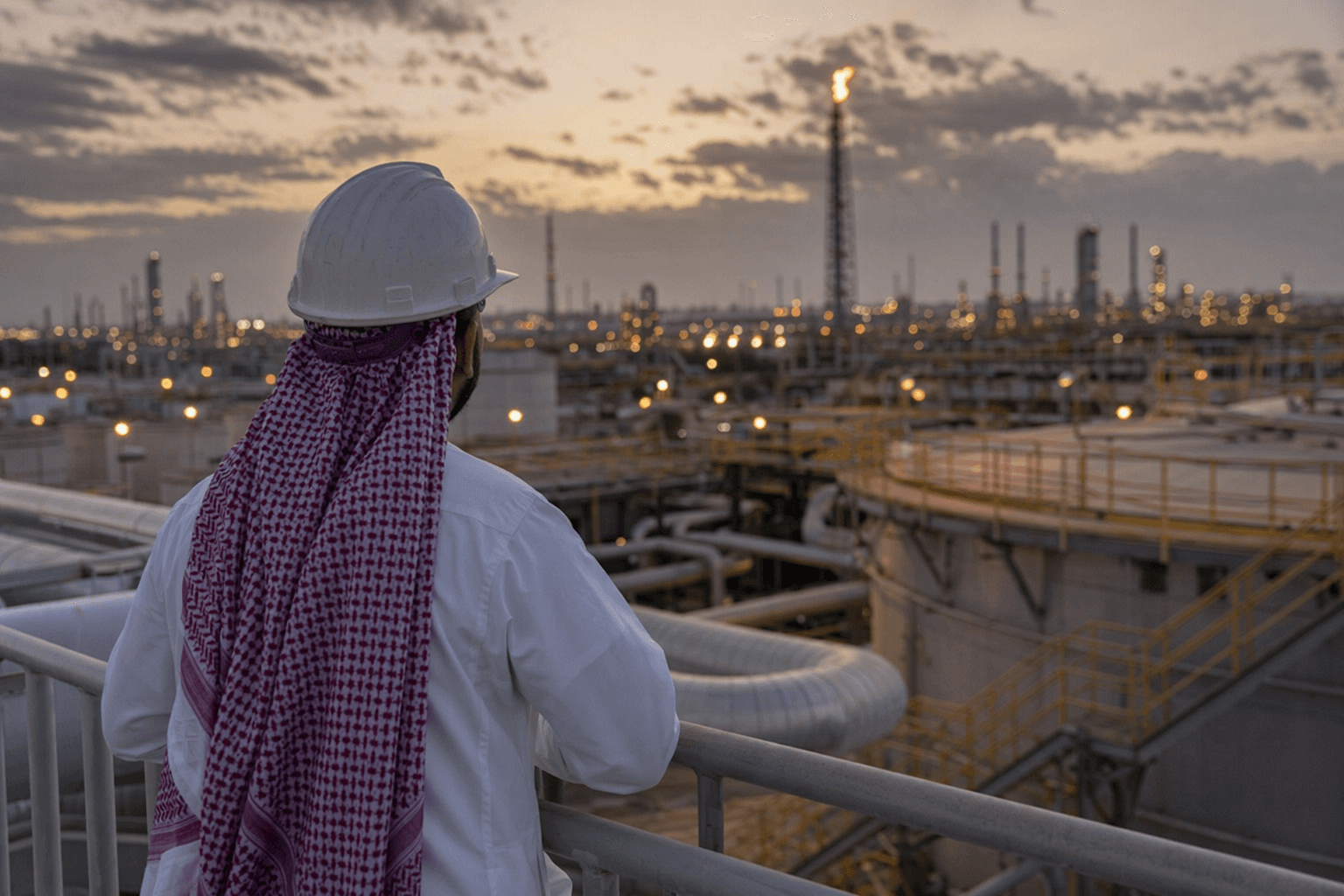
The standout operational detail was the East-West crude pipeline, which reached its maximum capacity of 7.0 million barrels per day. That route has become the company’s key escape valve from the Strait of Hormuz, where shipping has been badly constrained by the Iran conflict. Saudi Arabia exported about 6.2 million barrels per day through the strait last year, so rerouting more barrels westward to Yanbu is not a marginal adjustment. It is the difference between keeping cargoes moving and leaving global buyers exposed to sudden shortages.
The broader market backdrop explains why Aramco’s earnings jumped even as the region became more volatile. Reuters reported that the world lost about 1 billion barrels of oil over the past two months because of the disruption, and even if flows improve, markets are likely to need time to normalize. Saudi Arabia’s Ministry of Energy said in April that the pipeline had been restored to roughly 7 million barrels per day after attacks on energy infrastructure, and Reuters had reported in March that Amin Nasser said the line would reach full capacity within days. Aramco said its domestic and international storage offered extra flexibility, while investment in critical infrastructure and contingency planning helped it sustain operations.
For the U.S., the signal is clear: Saudi Arabia’s ability to move oil around a threatened Strait of Hormuz can blunt the worst supply shock, but it does not eliminate it. When global crude stays tight, gasoline prices tend to stay elevated, and that feeds directly into inflation risk for American households and policymakers. Aramco’s added production capacity from projects such as Dammam and Marjan, which lifted total output capacity by 325,000 barrels per day in 2025, shows the company is still building resilience. But with the region under stress and the pipeline already full, the market has less cushion than it did before the conflict.
This article was produced by Prism’s automated news system from verified source data, official records, and press releases, then run through automated quality and moderation checks before publishing. The system is built and supervised by the people who set the standards it runs under. Read our full AI policy.
Did this article answer your question?

