Saudi-owned La Paz County farm to face new groundwater rules
ADWR has designated the Ranegras Plain as an Active Management Area, imposing reporting and conservation rules that will limit pumping and affect local well users and Fondomonte operations.
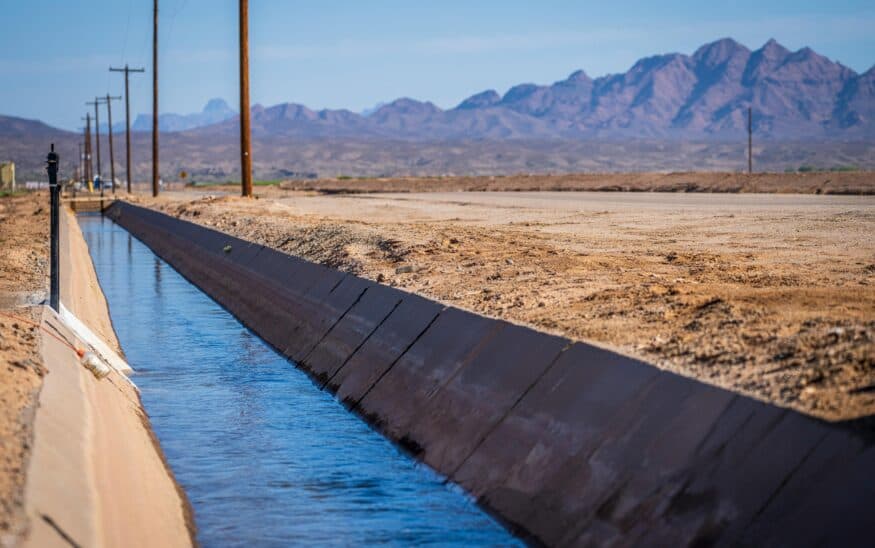
Arizona’s Department of Water Resources has designated the Ranegras Plain groundwater basin as an Active Management Area, bringing new oversight to parts of La Paz County and Yuma County after years of largely unchecked pumping. The Findings, Decision and Order, signed by ADWR director Thomas Buschatzke and dated January 9, 2026, was announced publicly by Governor Katie Hobbs during her State of the State address on January 13, 2026.
The AMA designation - Arizona’s eighth and the third created since 2022 - requires groundwater users in the basin to meet conservation standards and to report annual groundwater use. The order preserves irrigation grandfathered rights for land that was irrigated within the past five years, but introduces limits and monitoring where residents and officials say there was little state oversight. Western-Water reported the designation took effect after the order’s required publication period.
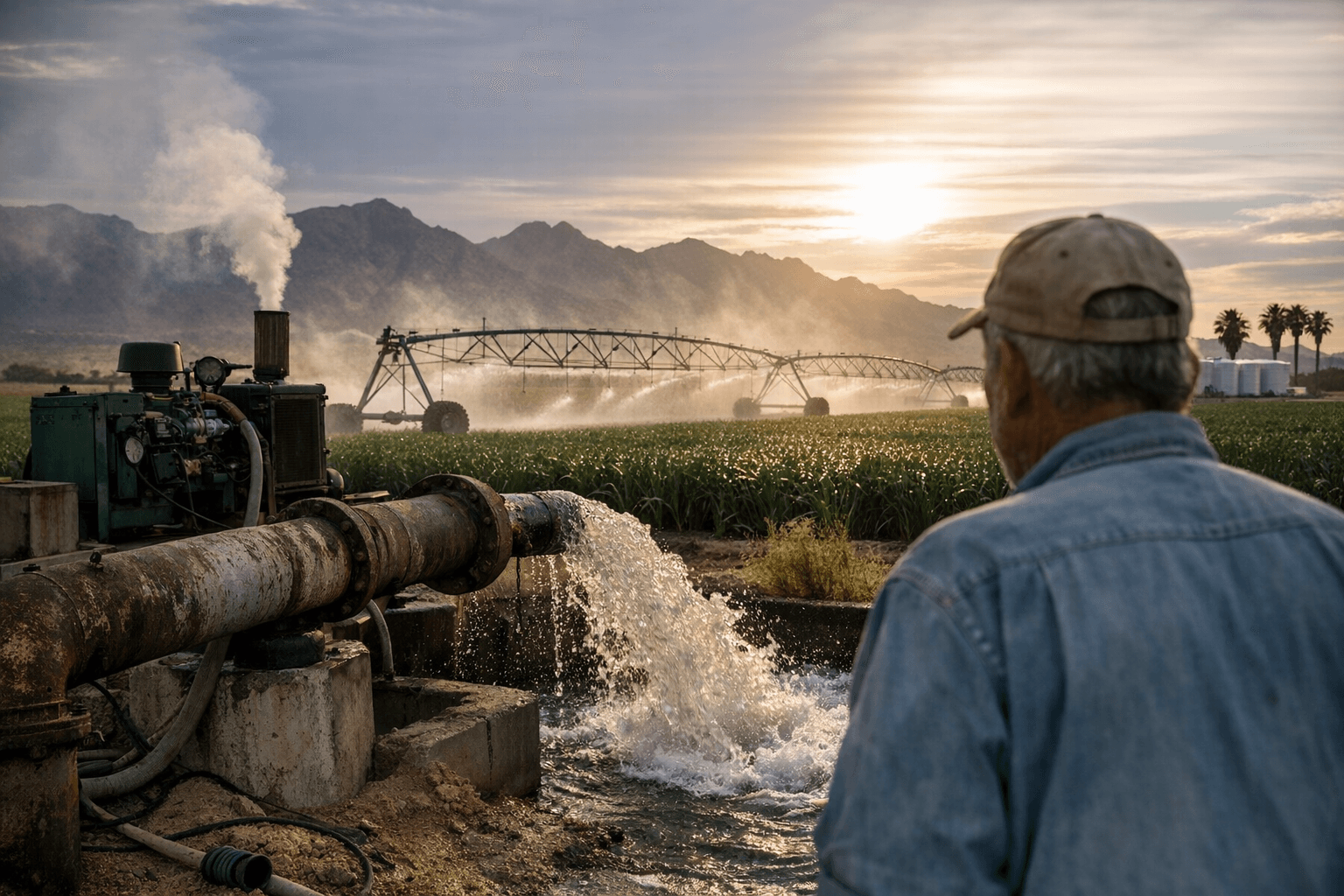
The action directly affects Fondomonte Arizona, a subsidiary of Middle East dairy giant Almarai that began operations in Arizona in 2014. Fondomonte grows alfalfa - described repeatedly as one of agriculture’s thirstiest crops - using “dozens of wells” and ships hay overseas to feed livestock. Reporting on the company’s acreage varies: Western-Water reported Fondomonte “owns more than 22,000 acres in La Paz County,” while a company lawyer told CBS that Fondomonte “owns 3,600 acres in this part of Arizona,” and “rents 3,088 acres of farmland and 3,163 acres of grazing land in the state.” CBS also noted a 640-acre Butler Valley lease was canceled in October 2023 and that Fondomonte said it will appeal that termination.
Local leaders framed the designation as a turning point for rural groundwater protection. La Paz County Supervisor Holly Irwin called the decision “It’s a big win.” Irwin added that “It’s going to prevent other megafarms from being able to move into the area and set up the same type of operation that Fondamonte has going on right now. And it’ll prevent them from expanding.” Attorney General Kris Mayes praised the governor’s move as “a step in the right direction” and issued a starker critique of previous policy, saying, “The decision by the prior administration to allow foreign corporations to stick straws in the ground and pump unlimited amounts of groundwater to export alfalfa is scandalous.” Governor Hobbs has said the farm “continued to pump unchecked amounts of groundwater out of our state while in clear default on their lease.”
The designation follows visible local impacts that motivated the state’s intervention: residents reported wells going dry, land subsidence, and steep declines in groundwater levels. One report cited water levels falling over 200 feet and said state hydrologists have been tracking the damage for years. Arizona also continues a public nuisance lawsuit against Fondomonte, and state officials rescinded permits that would have allowed new well drilling after finding inconsistencies in company applications; the rescinded permits were announced in April, though the reporting did not specify the year.
For La Paz County well owners, irrigators, and small ranchers, the AMA means new reporting requirements and, over time, tighter controls on pumping that aim to stabilize aquifers and prevent further subsidence. For Fondomonte and other large-scale irrigators, the change signals increased scrutiny and potential limits on growth. Next steps for the community include monitoring ADWR’s implementation details - particularly any metering, pumping caps, or phased reductions - and reconciling conflicting acreage claims through county and state records as enforcement and legal challenges play out.
Sources:
Know something we missed? Have a correction or additional information?
Submit a Tip