SBA expands drought relief loans to Sagadahoc County businesses
SBA expanded low-interest drought loans to include Sagadahoc County and losses back to Aug. 19; local businesses, farms and nonprofits can now apply for help covering debts and payroll.

The U.S. Small Business Administration announced an expansion of low-interest disaster relief loans that now makes businesses and private nonprofits in Sagadahoc County eligible for assistance tied to last year’s drought. The updated declaration, announced Jan. 12, 2026, extends the covered loss period back to Aug. 19 and adds several counties, including Sagadahoc, broadening relief beyond an earlier cutoff of Sept. 23.
Under the expanded eligibility, small businesses, agricultural cooperatives, nurseries and private nonprofits in Sagadahoc County may apply for SBA physical disaster loans to cover fixed debts, payroll and other bills directly tied to drought-related economic losses. The broader date range means losses dating to Aug. 19 are now considered when determining loan eligibility and amounts, increasing the pool of firms and organizations that can seek emergency capital.
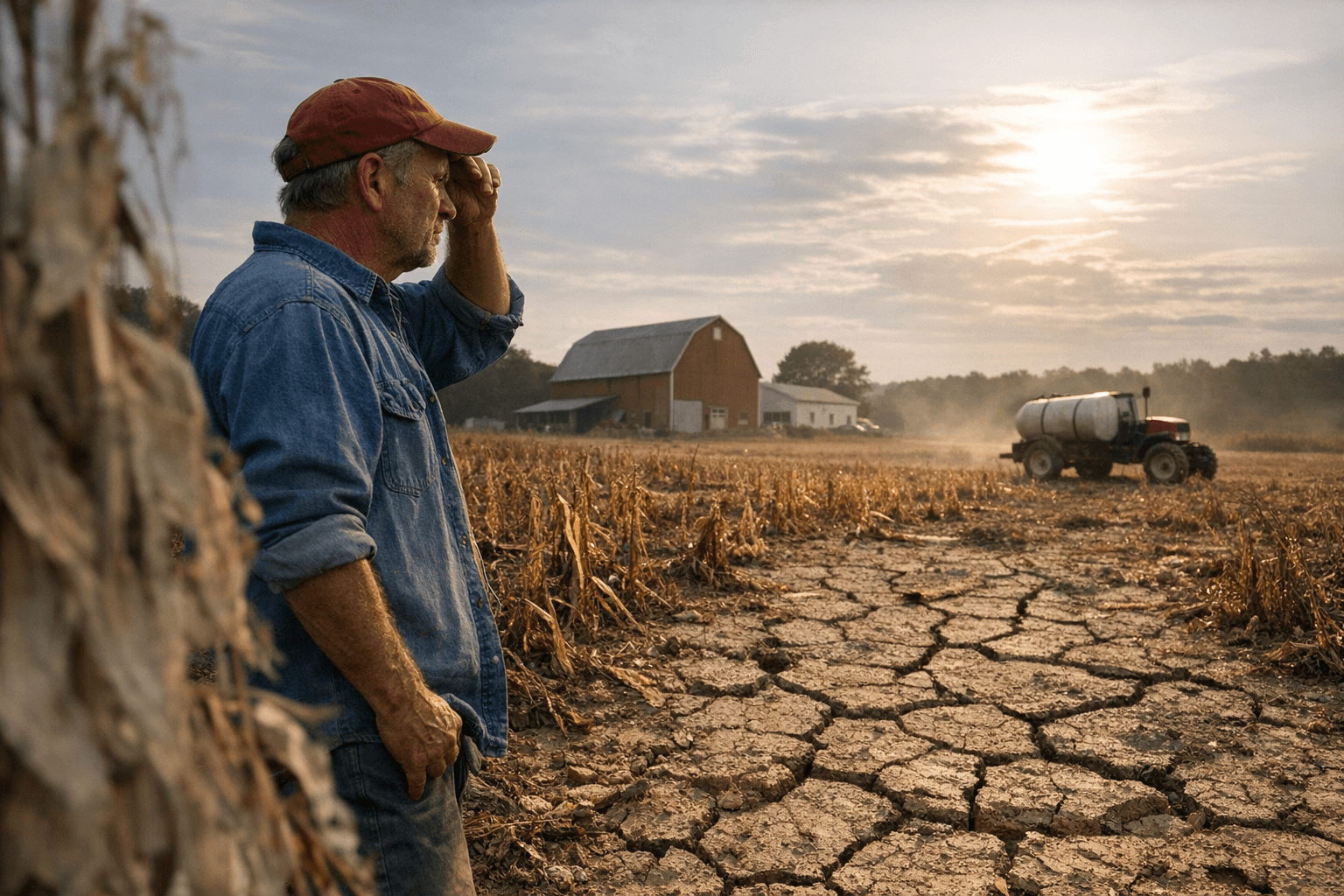
For local business owners still recovering from the dry conditions that reduced yields, stressed landscaping and nursery supplies, or strained cash flow, the loans provide a path to bridge revenue shortfalls. By covering payroll and fixed obligations such as rent, utilities and insurance, the SBA loans aim to prevent layoffs, keep vendor relationships intact, and buy time for seasonal revenues to return. For private nonprofits that deliver social services in Sagadahoc County, the assistance can help maintain programs affected by higher operating costs or lower donations tied to the drought.

Farmers have separate but complementary federal avenues: the U.S. Department of Agriculture issued disaster declarations for eligible agricultural losses and has its own loan-application processes for producers. Farmers and agricultural cooperatives in the county should consult USDA guidance and coordinate documentation, since USDA declarations and SBA eligibility can overlap but follow different application rules and timelines.
The economic implications for Sagadahoc County hinge on restoring liquidity to small employers and community organizations that underpin the local economy. Access to low-interest loans reduces the risk that drought-related revenue shortfalls cascade into permanent business closures, reduced payrolls or diminished nonprofit services. It also highlights a broader policy trend: federal agencies are increasingly responding to climate-linked economic disruptions with expanded relief windows and targeted lending.
The takeaway? If drought last year hit your business, farm or nonprofit in Sagadahoc County, review your loss records from Aug. 19 onward and consider applying for SBA disaster loans while coordinating with USDA for farm-specific relief. Our two cents? Start gathering documentation now—payroll records, invoices, and evidence of lost revenue—so you can move quickly if you decide to apply and keep your operation afloat through another uncertain season.
Sources:
Know something we missed? Have a correction or additional information?
Submit a Tip