School-Choice Bill Passes by Two Votes as Lafayette Rep Clay Deweese Absent
The Mississippi House passed a school-choice bill 61-59 after a four-hour debate, surviving by two votes while Lafayette County Rep. Clay Deweese was absent. The outcome could alter enrollment and funding choices for local schools.

The Mississippi House approved a school-choice bill by a 61-59 vote after a four-hour floor debate, prevailing by a razor-thin two-vote margin in the 122-member chamber. The measure won support from fifty-nine Republicans and the chamber’s two independents; seventeen Republicans joined all 42 Democrats in opposing it.
Two lawmakers did not cast a vote. Republican Price Wallace of Mendenhall was marked absent and said he was repairing broken farm equipment. Lafayette County Representative Clay Deweese of Oxford was marked present but did not vote; Deweese later said he was "unavailable." Deweese presided over a budget hearing immediately following committee business and did not cast a vote on the school-choice measure, a fact that drew attention because voters and education leaders in Lafayette County have been actively engaged in discussions about the bill.
House Speaker Jason White led an intense effort to secure passage, engaging in aggressive vote-whipping in the hours leading up to the roll call. The tight margin highlighted the degree of legislative maneuvering behind the scenes and left the bill’s future uncertain as it moves forward in the lawmaking process.
For Lafayette County, the outcome is consequential. The county contains two A-rated school districts, and local educators and elected officials have publicly debated the potential impacts of school-choice policies on district funding, student enrollment patterns, and local control. A narrow House victory increases the likelihood that the debate will shift from statewide committees to local school boards and community meetings, where parents, teachers, and municipal leaders will need to weigh how any enacted policy might change classroom resources and district budgeting.
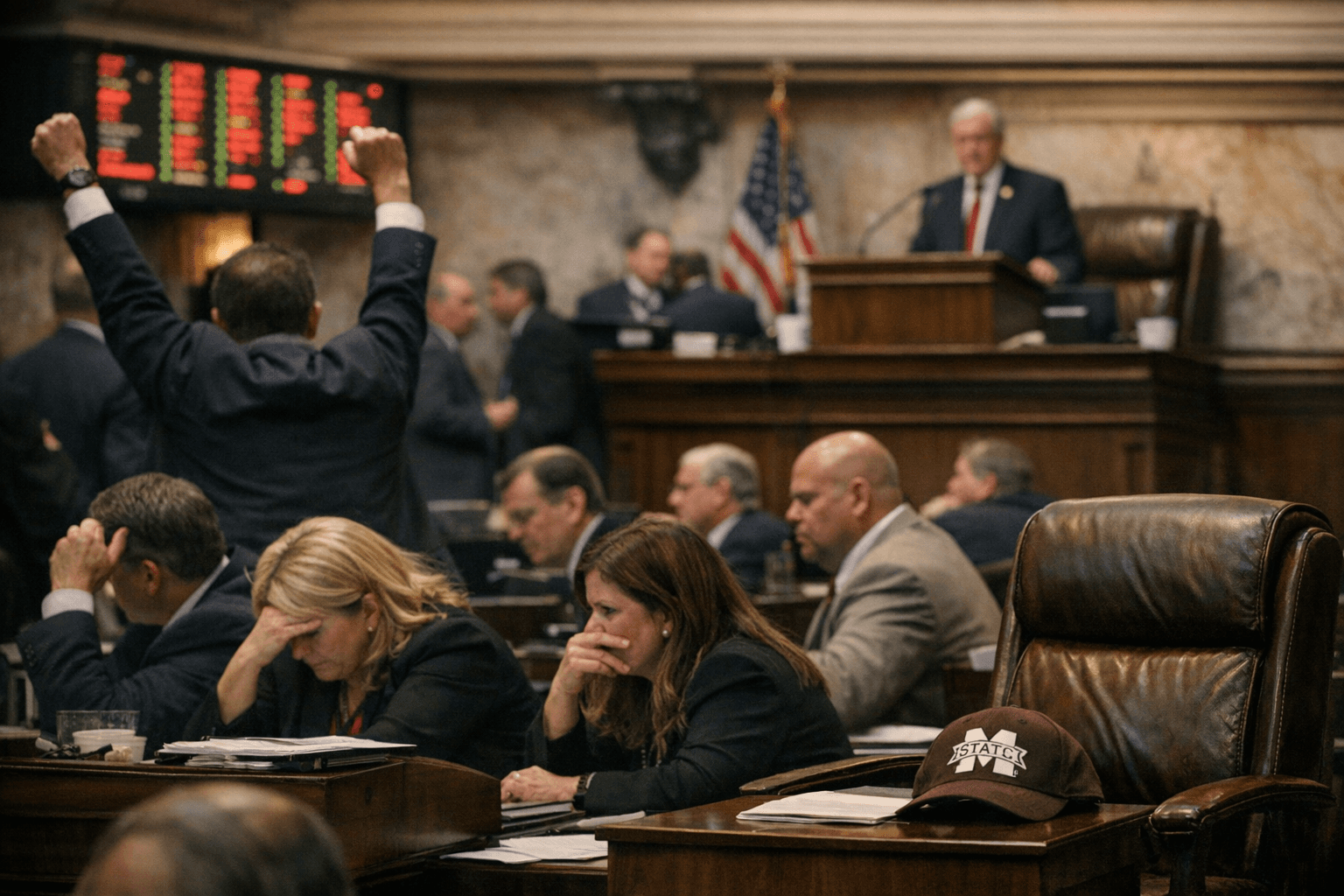
Policy implications are broad even without final enactment. School-choice proposals can alter how state education dollars follow students, affect accountability structures, and prompt adjustments in district planning for enrollment and staffing. The narrow vote underscores how closely divided lawmakers remain on these trade-offs and signals that small shifts in legislative support or local pressure could determine the bill’s ultimate fate.
What comes next will matter to Lafayette County residents: the bill survived its closest test but faces additional steps and scrutiny before becoming law. Residents who want to stay informed should watch upcoming legislative calendars and local board meetings, and they may consider contacting their state legislators to express priorities on school funding and student services. The two-vote margin makes clear that civic engagement in the weeks ahead can be decisive for how education policy takes shape locally.
Sources:
Know something we missed? Have a correction or additional information?
Submit a Tip