Scientists map Earth’s vast fungal networks, revealing 110 quadrillion kilometers of hyphae
Earth’s topsoils hold about 110 quadrillion kilometers of fungal filaments, a hidden network moving roughly 1 billion metric tons of carbon a year.
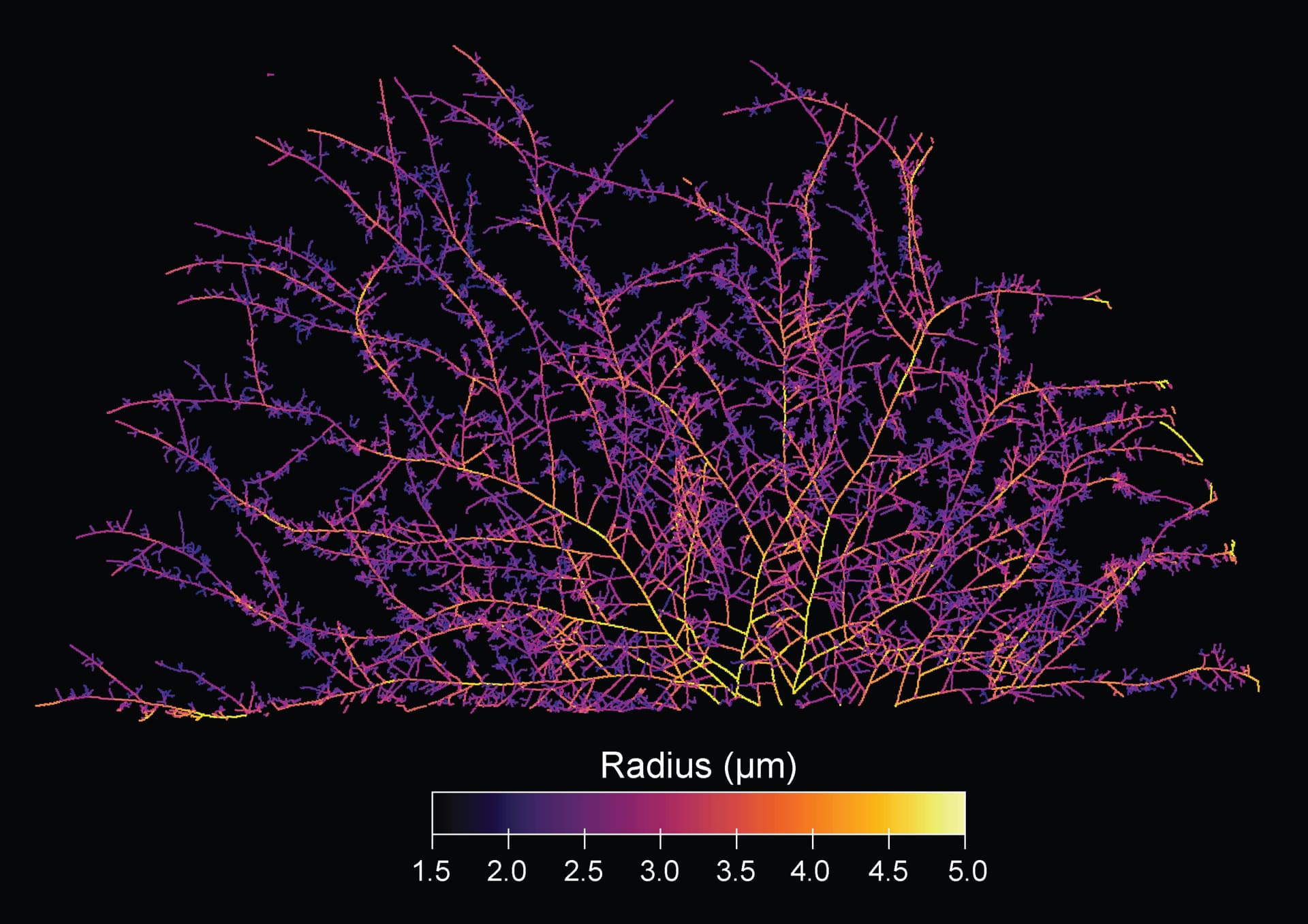
A hidden living network under the world’s soils stretches farther than human infrastructure can easily imagine: researchers estimate Earth’s topsoils contain about 1.10 × 10^17 kilometers of arbuscular mycorrhizal hyphae, weighing roughly 300 ± 60 megatons. The finding turns fungi from a botanical curiosity into a climate and food-system asset, because these underground threads help plants take up nutrients and water, store carbon and keep soils resilient under stress.
The global estimate came from an international team led by Justin D. Stewart and Corentin Bisot, who assembled data from 322 studies and more than 16,000 soil cores across nine biomes. They combined machine-learning models with robotic imaging of more than 300,000 hyphae to produce what they describe as the first real global map of arbuscular mycorrhizal fungal networks. The result is a measure of living infrastructure that had never been quantified at this scale.
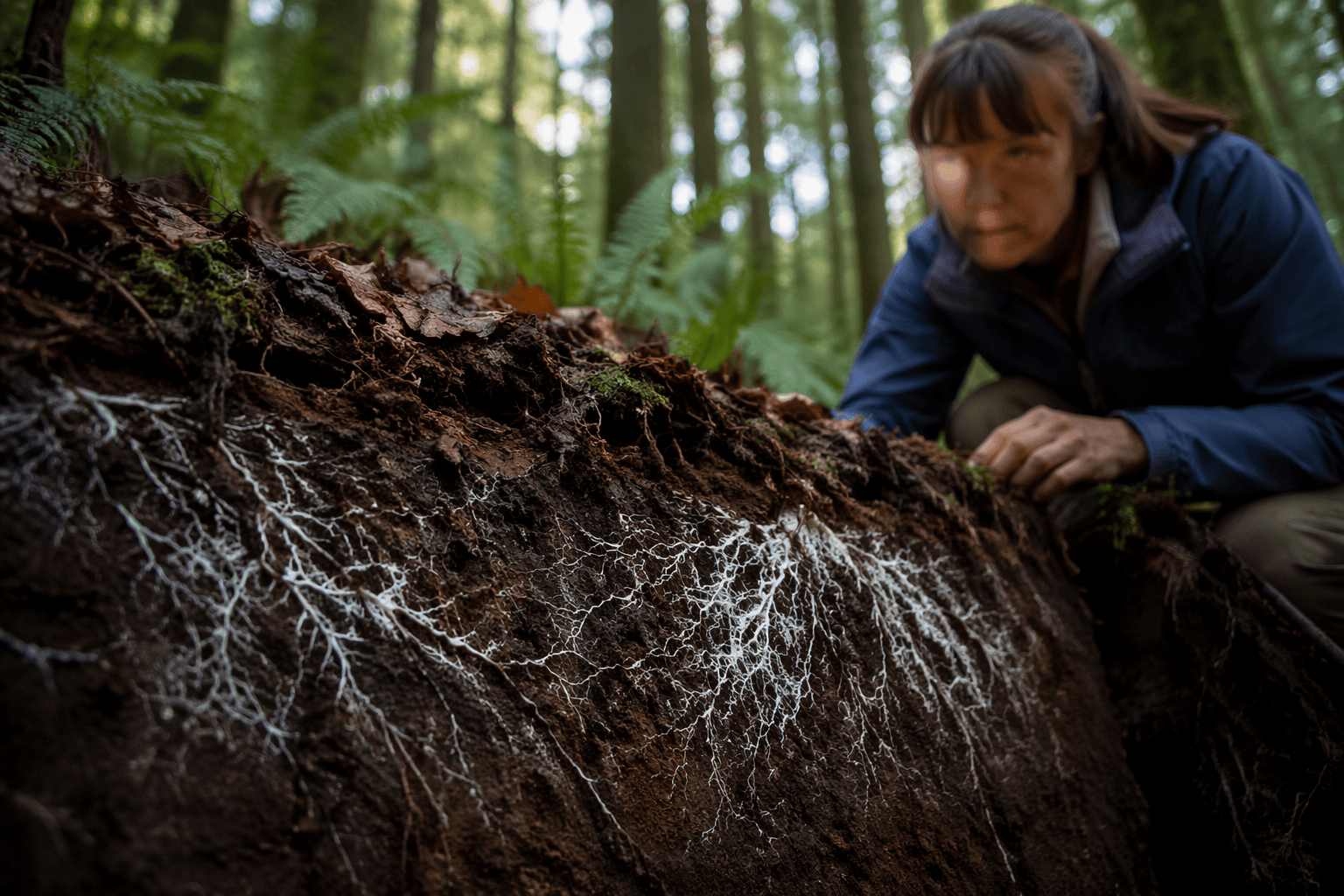
Arbuscular mycorrhizal fungi are not niche organisms. The study says they form symbioses with about 70% of plant species and have helped shape vegetation and biogeochemical cycles for more than 450 million years. Their reach matters because these networks are active carbon movers, transporting about 1 billion metric tons of carbon into soils each year. In round numbers, the total length is equal to about 110 quadrillion kilometers of fungal filaments, or nearly a billion trips from Earth to the Sun.
The map shows that grasslands carry outsized importance. The researchers estimate that grasslands contain about 40% of Earth’s arbuscular mycorrhizal fungal infrastructure, with especially dense networks predicted in the flooded grasslands of South Sudan, the Everglades in Florida and the Tibetan Plateau. Those ecosystems matter not just for biodiversity but for the soil fertility and moisture retention that support crop yields, grazing systems and natural carbon storage.
The warning for agriculture is stark. Large-scale croplands are associated with about 50% lower network density than natural ecosystems, a decline that could weaken soils’ ability to cycle nutrients, store carbon and withstand drought and other stressors. More than 70% of the world’s ecoregions remain unsampled for these fungi, leaving major gaps in the global picture.
The study was released alongside an interactive visualization aimed at scientists, policymakers and land managers. The message is clear: any serious climate or nature policy that ignores fungi is missing a major part of the planet’s living support system.
This article was produced by Prism’s automated news system from verified source data, official records, and press releases, then run through automated quality and moderation checks before publishing. The system is built and supervised by the people who set the standards it runs under. Read our full AI policy.
Did this article answer your question?