Scientists race to develop Ebola vaccines as Congo outbreak spreads
The outbreak is harder to stop because it is driven by Bundibugyo Ebola, a strain current vaccines were not built for, forcing scientists to catch up mid-crisis.
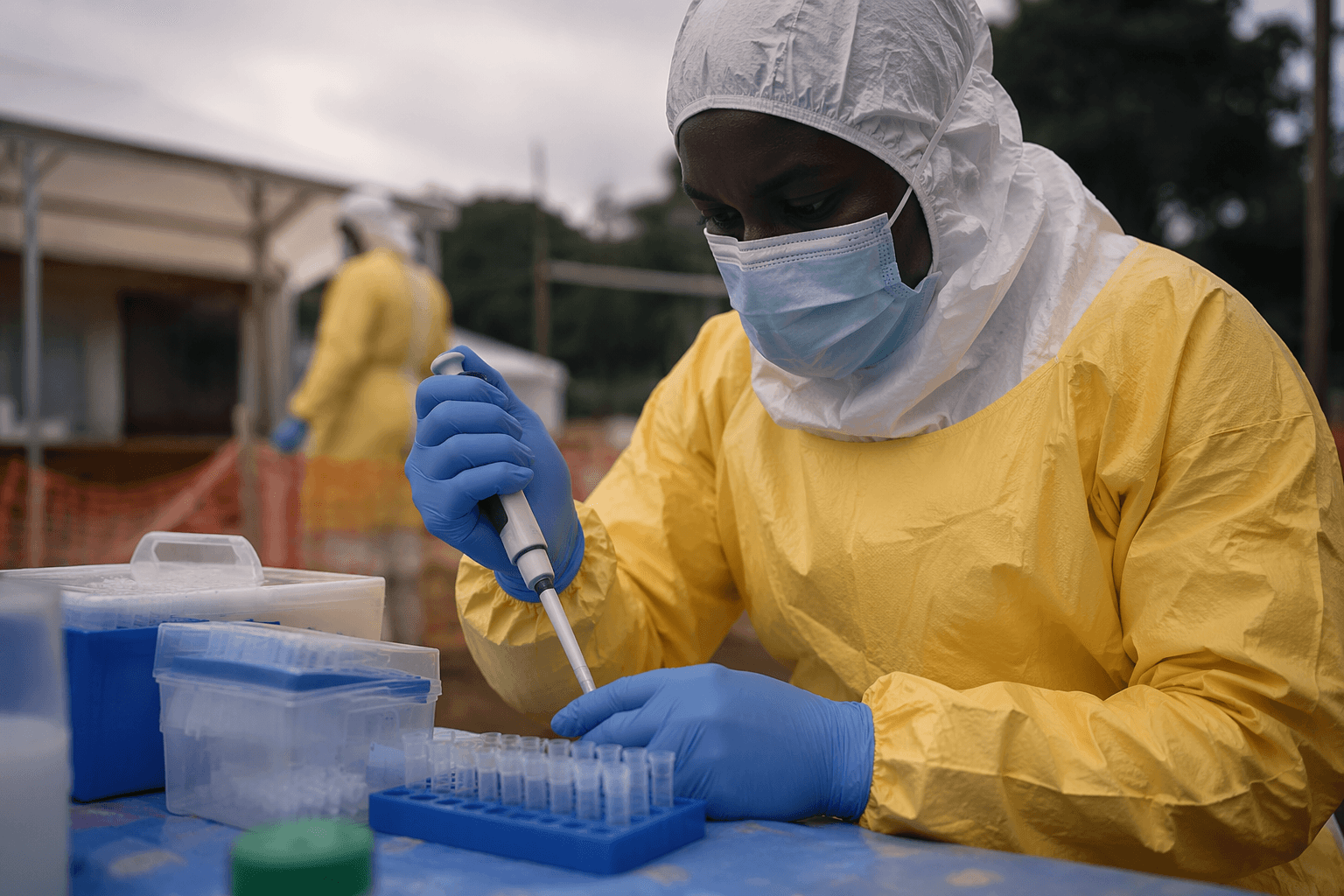
The virus driving Congo’s latest Ebola outbreak is a strain current vaccines were not built to stop, and that gap is forcing scientists into a race against a spreading epidemic. Bundibugyo virus disease has no licensed vaccine or specific treatment, even as the outbreak has moved across the Democratic Republic of the Congo and into Uganda.
The World Health Organization said the outbreak was confirmed in the Democratic Republic of the Congo in May after the national biomedical research institute tested 13 blood samples from Rwampara Health Zone in Ituri Province and found Bundibugyo virus disease in eight of them. The country’s health ministry declared its 17th Ebola outbreak on May 15, and the World Health Organization determined two days later that the epidemic constituted a public health emergency of international concern. By May 29, the agency said there were 134 confirmed cases across the two countries, including nine in Uganda, with 18 deaths among confirmed cases.
The outbreak is unfolding in conditions that make containment especially difficult. The World Health Organization has described the setting as marked by humanitarian crisis, remote and densely populated areas, and insecurity, a combination that can slow contact tracing, isolate health workers, and delay care. The agency said the outbreak continued to evolve rapidly, with more cases, wider geographic spread, and evidence of cross-border transmission. Uganda confirmed an imported case from the Congo, and the World Health Organization said the patient was a Congolese man who died in Kampala.
Scientists are now trying to build a response while the outbreak is still expanding. The Coalition for Epidemic Preparedness Innovations is fast-tracking three Bundibugyo ebolavirus vaccine candidates, while the International AIDS Vaccine Initiative said it is advancing an rVSV-based candidate with funding from CEPI and an agreement with the University of Texas Medical Branch. World Health Organization experts have also reviewed antivirals and monoclonal antibodies for treatment and post-exposure prophylaxis, and the agency has issued emergency guidance on possible use of the licensed Ebola vaccine Ervebo during Bundibugyo outbreaks because of potential cross-protection.
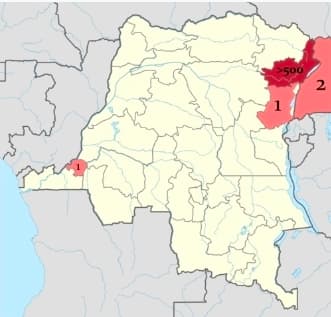
Bundibugyo virus was first identified in 2007 in Bundibugyo District, Uganda. That outbreak produced 93 suspected cases and 22 deaths, including four health-care workers, and later analysis counted 56 laboratory-confirmed cases with roughly 40 percent mortality. The Centers for Disease Control and Prevention now places the case fatality rate at about 30 percent. The current outbreak shows how quickly a known but neglected pathogen can outrun the tools built for a different strain.
This article was produced by Prism’s automated news system from verified source data, official records, and press releases, then run through automated quality and moderation checks before publishing. The system is built and supervised by the people who set the standards it runs under. Read our full AI policy.
Did this article answer your question?


