Scotland drafted into T20 World Cup Group C after Bangladesh withdrawal
The ICC moved Scotland into Group C after the Bangladesh Cricket Board refused to send its team to India under the published schedule, reshaping the tournament and regional dynamics.
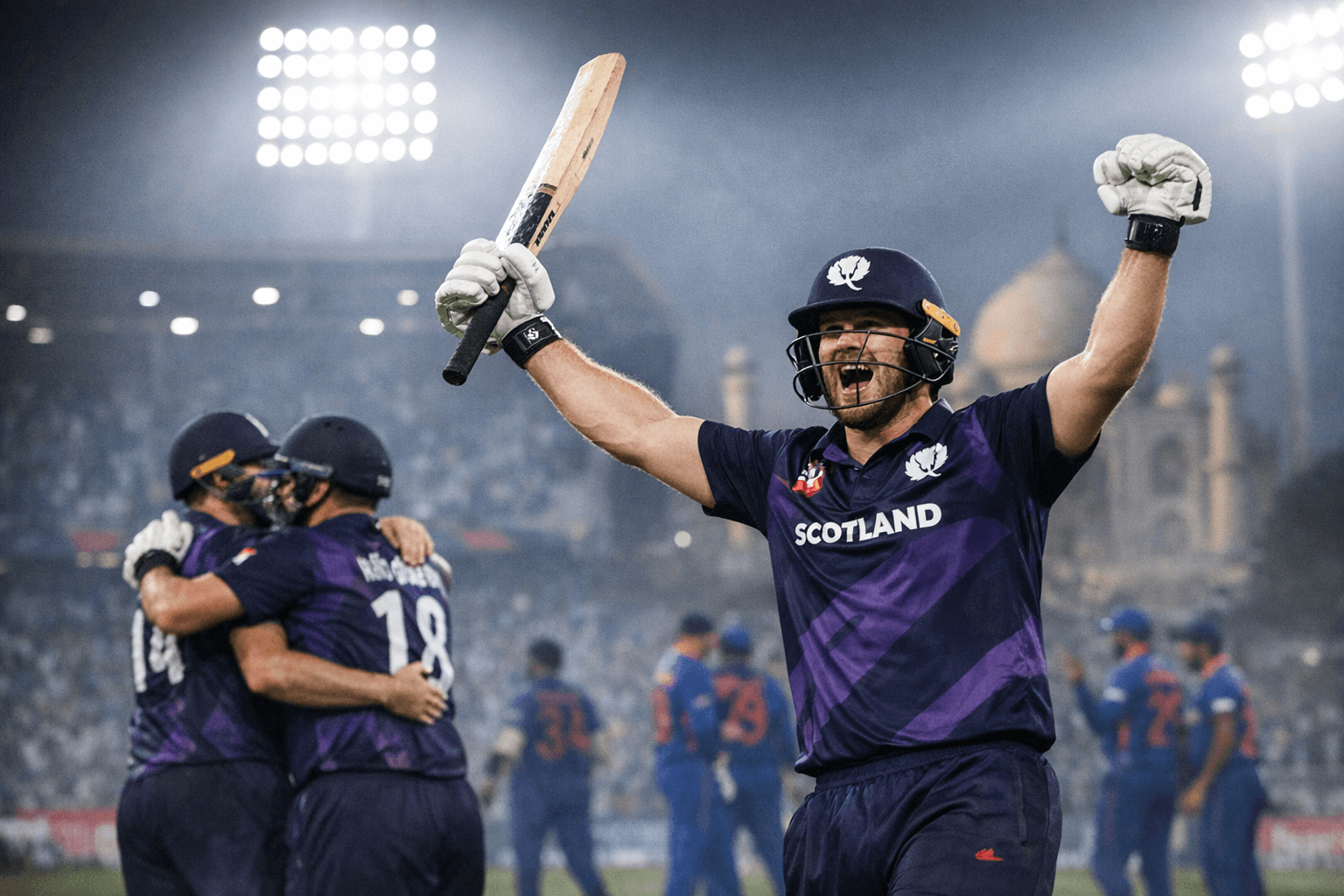
Scotland will join Group C of the ICC Men’s T20 World Cup 2026 after the Bangladesh Cricket Board declined to send its team to India under the published match schedule, the International Cricket Council announced on January 24, 2026. The decision accelerates an already contentious run-up to a global tournament that was expected to showcase cricket’s commercial muscle in the subcontinent.
The ICC said it undertook multiple rounds of engagement with the BCB before making the decision to replace Bangladesh with Scotland. That move preserves the tournament’s format and broadcast commitments but raises immediate questions about governance, commercial fallout and the sporting consequences for players and supporters in Bangladesh and Scotland.
For Scotland, the call-up is a vital opportunity. Participation in a marquee ICC event provides higher visibility for players, increased match revenue and the chance to attract sponsors and investment in a country where cricket competes for attention with football and rugby. On the field, exposure to top-tier opposition can accelerate development and strengthen pathways that underwrite Scotland’s gradual rise among associate nations. For the tournament, an inspired Scottish showing could enrich the World Cup narrative and broaden global interest by spotlighting an emerging cricket market.
For Bangladesh, the refusal is a high-stakes gambit with broad fallout. Missing a global event interrupts players’ careers and denies fans an emotional outlet that has helped bind national identity in recent decades. The BCB’s decision undercuts the exposure that players would have gained against international opposition and may carry financial penalties or disciplinary review under ICC regulations, which govern withdrawals and fixture obligations. The long-term cost to sponsorship, broadcast share and domestic morale could be significant if relations between the BCB and the ICC are not quickly repaired.
The disruption underscores wider industry trends: a congested international calendar, heightened sensitivity around travel and security arrangements, and the growing leverage of national boards that command passionate domestic constituencies. It also highlights the ICC’s dual role as tournament operator and arbiter; the council must balance commercial contracts and host obligations with member boards’ concerns, while maintaining competitive integrity.
Culturally, the situation speaks to cricket’s continued role as soft power across South Asia. Matches in India are more than sporting events; they are mass spectacles that generate tourism, advertising revenue and extensive diaspora viewership. A high-profile absence from Bangladesh deprives those cultural exchanges and suggests fault lines between administrative decision-making and national sentiment.
Broader social implications extend to fan communities and media ecosystems that feed off World Cup drama. Bangladeshi fans, mobilized online and in city streets in past tournaments, may see the refusal as a breach of expectation and a loss of national expression. Conversely, Scottish supporters and the wider associate cricket community gain a symbolic victory, which could reinforce arguments for more frequent exposure and an expanded role in global events.
The immediate task for the ICC and the BCB will be to manage the fallout: finalise Group C logistics, address contractual and disciplinary questions, and try to restore a frayed relationship that carries implications far beyond one tournament. The change may be seamless in match schedules, but its reverberations are likely to shape cricket governance and national sentiment long after the first ball is bowled.
This article was produced by Prism’s automated news system from verified source data, official records, and press releases, then run through automated quality and moderation checks before publishing. The system is built and supervised by the people who set the standards it runs under. Read our full AI policy.
Did this article answer your question?