Scripps scientists develop vaccine to block fentanyl before overdose
Scientists at Scripps created an experimental vaccine that targets fentanyl and its designer variants before they reach the brain, a possible new layer in overdose prevention.
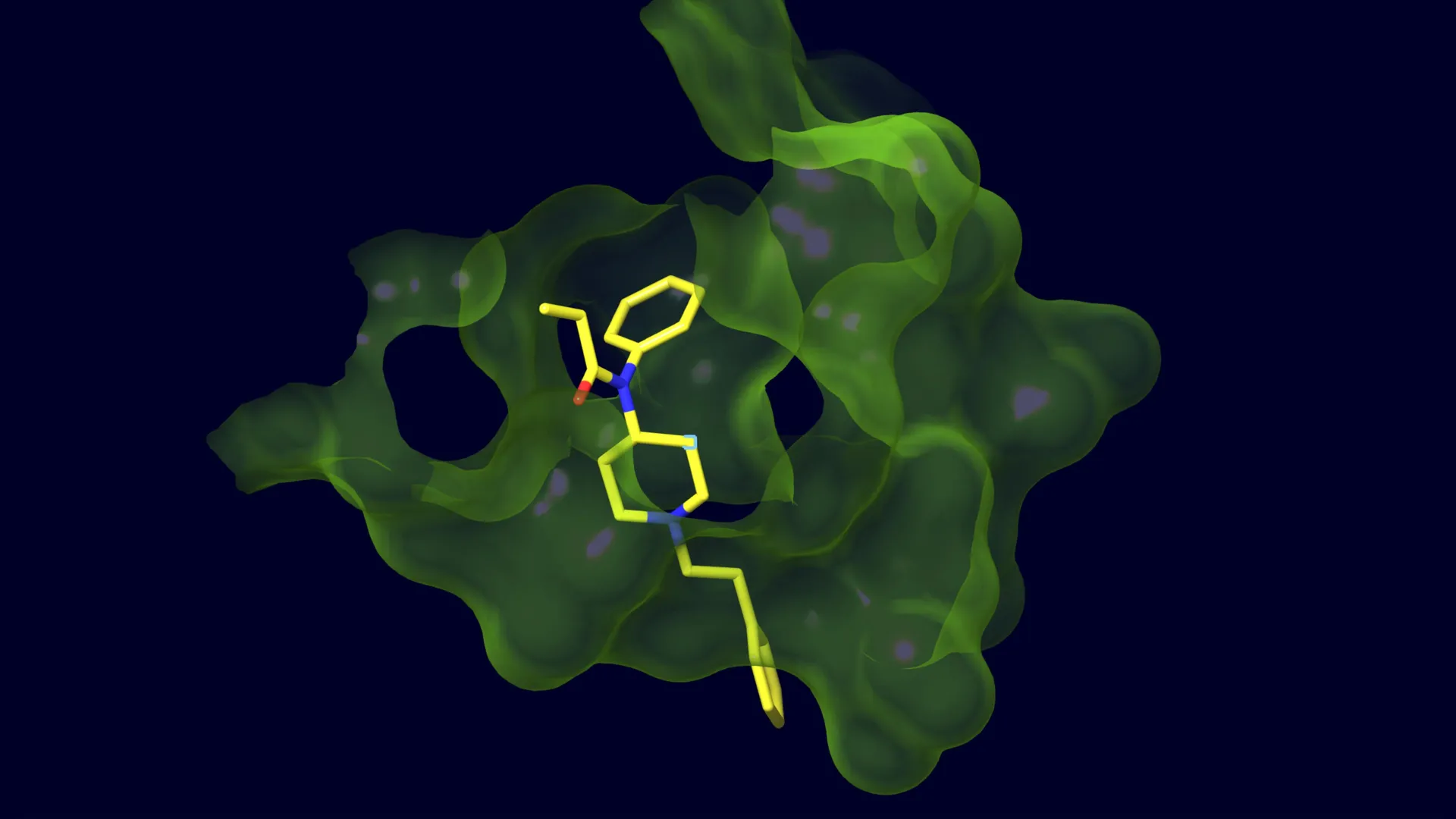
A team at Scripps Research has developed an experimental fentanyl vaccine designed to intercept the drug before it reaches the brain, a strategy that could add a new layer of defense in a country still grappling with overdose deaths. The candidate is built to recognize not just fentanyl itself, but a broad class of fentanyl-related designer drugs that traffickers keep altering to evade detection and regulation.
The work, published in the Journal of Medicinal Chemistry on May 12, 2026, reflects an effort to make the immune system do what public health and law enforcement have struggled to do alone: keep pace with a fast-moving illicit drug market. Kim Janda, the senior author and the Ely R. Callaway, Jr. Professor of Chemistry at Scripps Research in La Jolla, California, said the goal is to avoid playing catch-up with each new variation. The idea is that a cross-reactive immune response could be more durable than a drug-specific fix.

That promise is still early and experimental, but the public health stakes are stark. CDC guidance says naloxone can restore normal breathing within 2 to 3 minutes if it is given in time, though more than one dose may be needed, especially when illicitly manufactured fentanyl or fentanyl-related substances are involved. The same agency reported estimated U.S. opioid overdose deaths fell from 83,140 in 2023 to 54,743 in 2024, while the National Safety Council estimated 45,917 fentanyl-category deaths in 2024. Even with the decline, fentanyl remains the central driver of opioid mortality.
Scripps Research has been here before. In earlier work, the lab reported experimental vaccines that blunted fentanyl and carfentanil effects in rodents, and previous preclinical studies showed a single fentanyl vaccine could generate cross-reactive antibodies against a wide panel of fentanyl analogues. If later testing shows the new candidate is safe and effective, it could complement naloxone, medication-assisted treatment and other public health interventions, not replace them, giving clinicians another tool against a crisis that continues to fall hardest on communities already burdened by addiction, untreated pain and uneven access to care.
This article was produced by Prism’s automated news system from verified source data, official records, and press releases, then run through automated quality and moderation checks before publishing. The system is built and supervised by the people who set the standards it runs under. Read our full AI policy.
Did this article answer your question?