Sebastian Berhalter carves his own path toward the World Cup
Sebastian Berhalter reached the World Cup by outplaying the doubts tied to his surname. His rise came from better output, sharper set pieces and trust earned on merit.
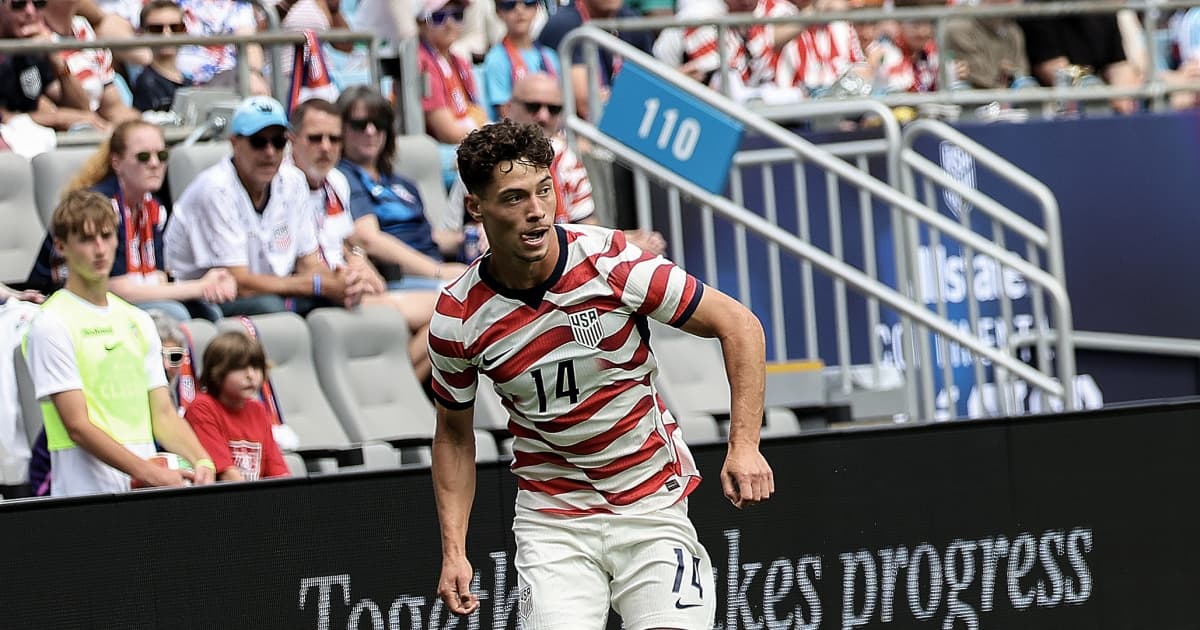
Sebastian Berhalter did not force his way into the World Cup conversation as a can’t-miss prodigy. He arrived there the hard way, through a stretch of club instability, a blunt assessment from his father and a breakout that finally matched the promise coaches had been waiting to see.
Pedigree brought scrutiny, not a shortcut
Berhalter’s last name guaranteed attention, but it did not guarantee a place. Born in London while Gregg Berhalter played for Crystal Palace and raised primarily in Columbus, Ohio, he grew up around the sport but still had to prove he could function at the highest level on his own terms. The family connection has remained part of the story, yet the player has said he and his father talk mostly about life and family rather than tactics, which undercuts the easy assumption that his route was managed from above.
The clearest example came before the 2022 World Cup, when Gregg Berhalter told him he was not good enough. Sebastian later joked that it “wasn’t even close,” then watched the tournament from the stands in Qatar while his father coached the team. That kind of direct rejection would have ended many careers in the telling; for him, it became fuel. He even brought home a miniature replica of the World Cup trophy from the concession stands as a reminder that the goal was still alive.
The detour through club soccer made the breakthrough real
The path after that moment was anything but smooth. Berhalter began as a homegrown signing with the Columbus Crew, the club where his father had played and coached, but his MLS journey soon turned into a series of prove-it stops. He had short stints with Columbus and Austin FC before Vancouver Whitecaps FC acquired him in February 2022 in a trade that cost the club $50,000 in General Allocation Money, plus up to another $50,000 tied to performance metrics.
That move matters because it shows how little romance there was in the business side of his development. Vancouver was not acquiring a headline; it was buying a player who still had to earn trust. Berhalter himself has said the Whitecaps “took a chance” on him and that not many teams were willing to do so, a telling line for anyone who thinks a surname is the same thing as security. Once he returned to Vancouver in 2022 with a new mindset, he became a starter and started creating far more chances around goal.
What changed in his game
The breakthrough came from production, not reputation. New Whitecaps head coach Jesper Sørensen gave Berhalter confidence and freedom, and the midfielder responded with career-best numbers in 2025: 41 starts in 47 appearances across all competitions, eight goals and 16 assists, plus a place on the MLS Best XI, an MLS All-Star selection and the Whitecaps’ Player of the Year award. In league play alone, he posted 4 goals and 12 assists in 29 regular-season matches, leading Vancouver in helpers.
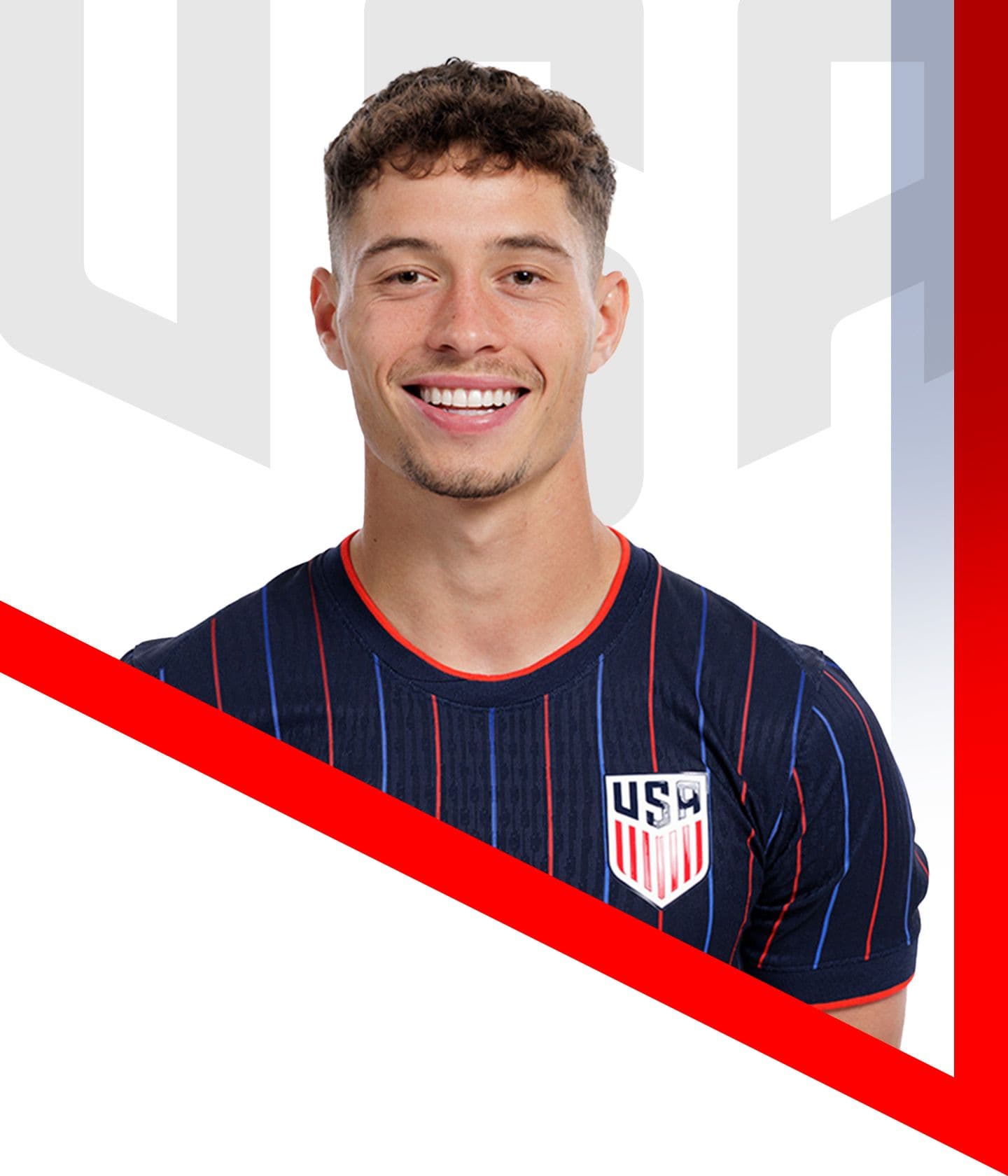
The most important football reason for his rise is more specific than raw totals. He became a set-piece specialist, a player who can change a game with delivery from dead-ball situations, and he also added more end product from midfield. MLS described him as Vancouver’s midfield engine, while U.S. Soccer noted that his 2025 season produced career highs and helped the Whitecaps reach MLS Cup. The numbers are what make the pedigree debate less interesting: a player who creates 16 assists and starts 41 times in a season is being trusted because he keeps delivering.
Why the national team finally trusted him
Mauricio Pochettino’s staff noticed that club form and brought him in for the 2025 Concacaf Gold Cup. Berhalter earned his first U.S. cap in June, then started six matches over the summer, including five in the Gold Cup run to the final. He contributed two assists, both off set pieces, and soon after opened his international scoring account with a fierce strike in a 5-1 win over Uruguay.
That matters because the U.S. men’s team did not simply hand him minutes out of sentiment. He became one of only two MLS midfielders on the World Cup roster, alongside Cristian Roldan, and he enters his first World Cup with 11 caps and one goal. In a squad built on competition, that is a serious marker of trust. When coaches need reliable service, discipline and composure, they are leaning on the player who showed he could start, finish and deliver under pressure.

The World Cup stage now belongs to the work
Berhalter’s story is compelling because it answers the nepotism question with evidence. The surname explains the scrutiny, but it does not explain the starts, the assists, the set pieces or the belief from Pochettino and Sørensen. What changed was his game: a more dangerous final ball, better timing, stronger mentality and the kind of consistency that turned a once-skeptical resume into a World Cup one.
He will now take that form into a tournament that runs June 11 to July 19, with the United States opening Group D on June 12 against Paraguay in Los Angeles, then meeting Australia on June 19 in Seattle and Türkiye on June 25 back in Los Angeles. For Berhalter, the setting is grand, but the message is simple: he did not inherit this place, he forced his way into it.
This article was produced by Prism’s automated news system from verified source data, official records, and press releases, then run through automated quality and moderation checks before publishing. The system is built and supervised by the people who set the standards it runs under. Read our full AI policy.
Know something we missed? Have a correction or additional information?
Submit a Tip