Secret Service faces scrutiny after Trump rally shooting exposed failures
A rooftop sighting, a missed drone warning and a 90-minute gap exposed how Thomas Matthew Crooks outmaneuvered security before firing at Trump in Butler.
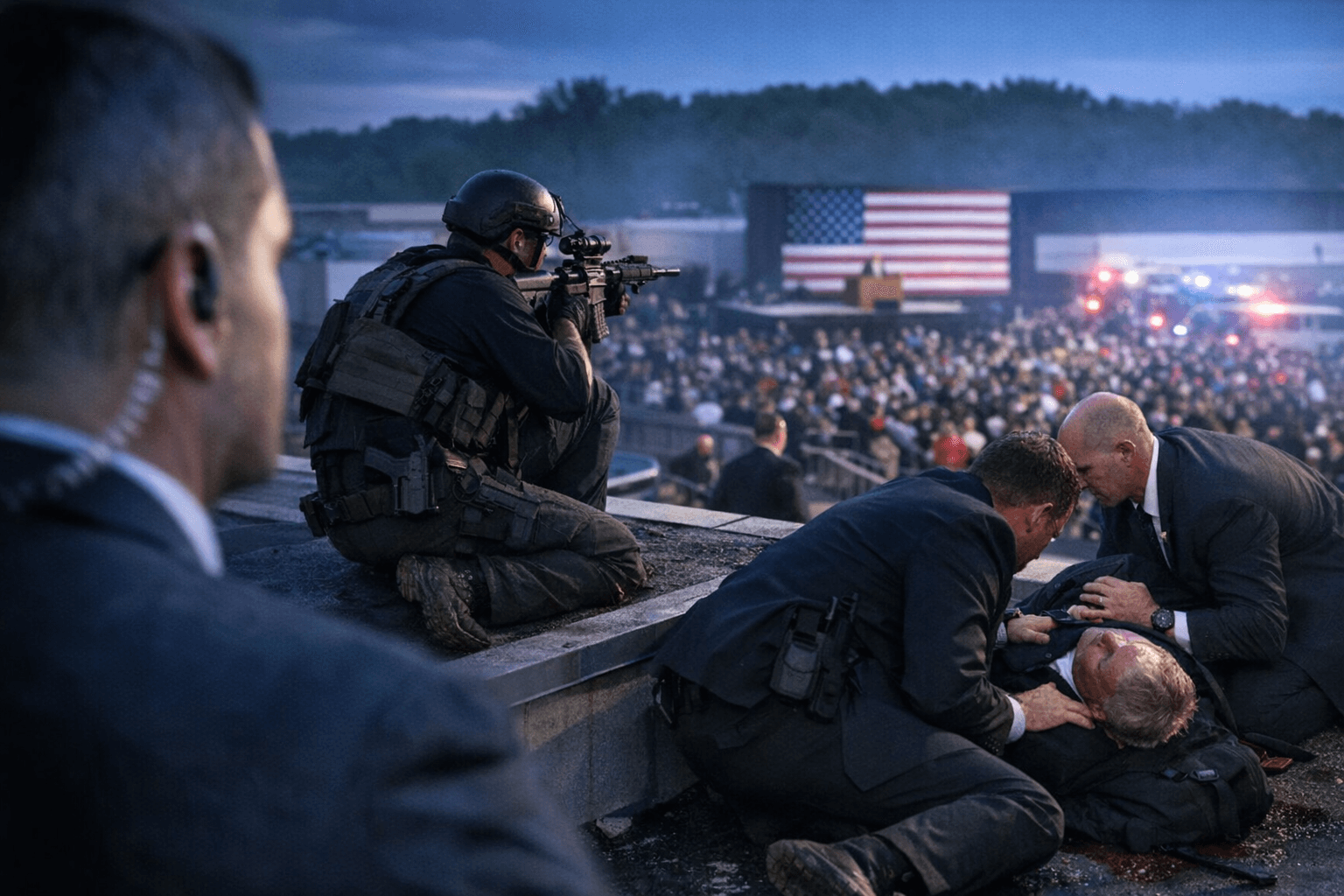
A rooftop that should have been watched, a drone that should have been flagged, and more than 90 minutes that Thomas Matthew Crooks used to stay ahead of authorities laid bare how badly the protection around Donald Trump broke down in Butler, Pennsylvania.
The July 13, 2024 rally turned into one of the most closely examined security failures in recent memory. Rallygoers reported seeing a man on a nearby rooftop, but the building was not fully secured inside the protective perimeter. Local police did not station someone there, and Secret Service agents did not deploy an anti-drone system in time to detect Crooks’s unauthorized drone. By the time shots were fired, the 20-year-old gunman had maneuvered around authorities for more than 90 minutes.
The attack killed one man and wounded three others, including Trump. The details matter because the breakdown was not a single missed cue but a chain of failures: perimeter control, interagency communication, rooftop access and technology that did not come online fast enough to matter. Each lapse widened the opening Crooks used to get into position and fire.
That sequence has made the Butler shooting a case study in how quickly a public event can become a national security emergency when agencies do not share information and lock down a site with the same urgency that a threat requires. The scrutiny has fallen not only on the Secret Service’s planning but also on the coordination between the federal agents and local officers who were responsible for the venue’s immediate security.
The same election cycle that turned the Butler shooting into a measuring stick for security also revealed how politics can be shaped by unexpected details. AP VoteCast, which interviewed more than 120,000 voters nationwide from Oct. 28 to Nov. 5, 2024, found that about two-thirds of voters own a dog or cat, and that dog owners were more likely to support Trump than cat owners. About 3 in 10 voters said they only had a dog. The numbers were a reminder that even lightweight cultural details can carry political weight.
But in Butler, the lesson was not about messaging. It was about failure at the edge of a perimeter, where a rooftop went unsecured, a drone went undetected, and a gunman found enough room to turn a rally into an enduring test of the Secret Service’s competence.
This article was produced by Prism’s automated news system from verified source data, official records, and press releases, then run through automated quality and moderation checks before publishing. The system is built and supervised by the people who set the standards it runs under. Read our full AI policy.
Did this article answer your question?