Security deposit alternatives cut move-in costs, but may raise rents
Renter relief can come with a catch: security-deposit alternatives cut move-in cash, but the fees are nonrefundable and can add up over a lease.
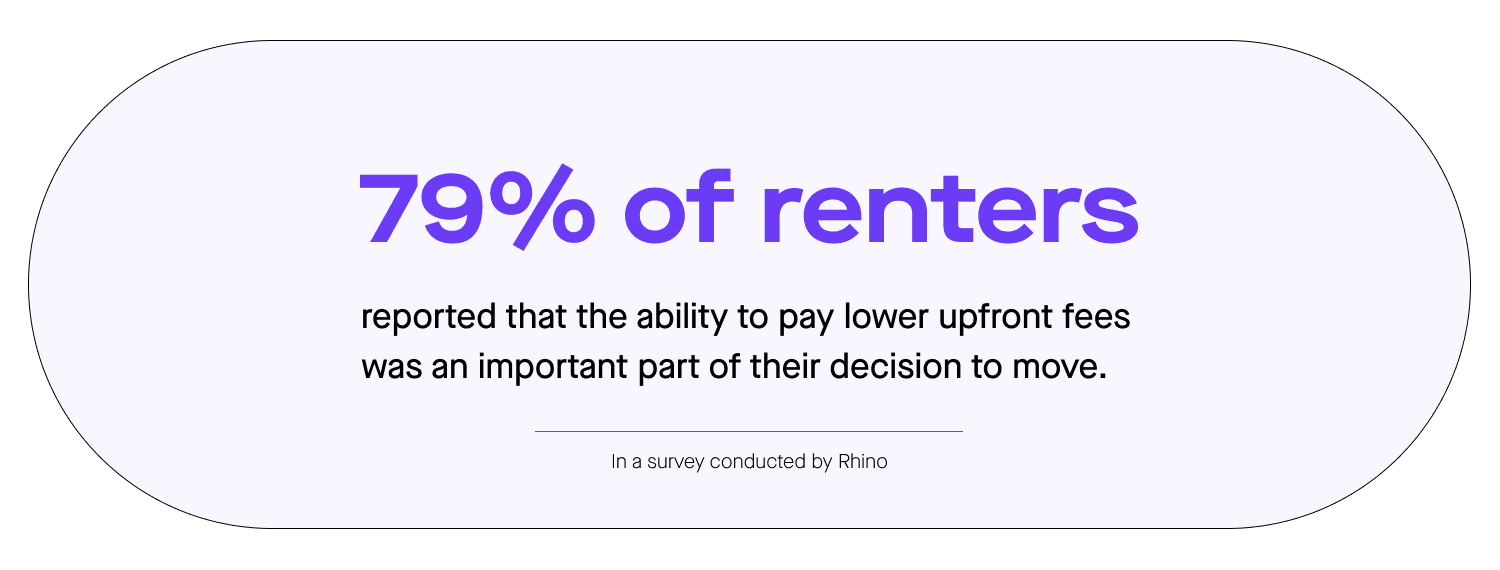
Renters facing steep move-in bills are being offered a cheaper front door into apartments, but the savings can vanish into nonrefundable fees. Security deposit alternatives, sold by companies such as Rhino, Obligo, LeaseLock, Leap and Homebody, are designed to lower the cash needed at lease signing while keeping landlords covered for damages or unpaid rent.
The pitch lands because the upfront costs of renting are getting harder to absorb. Fannie Mae found that “affording upfront costs,” including the security deposit, first and last month’s rent and application fees, remains one of renters’ top pain points. In 2023, 34% of respondents called it a top concern, up from 26% in 2021.
The National Consumer Law Center argues that the products often function less like relief and more like a recurring charge. In its report, “Tenant Insecurity: How Security Deposit ‘Alternatives’ Raise Tenants’ Costs and Erode Their Protections,” the group says renters can pay nonrefundable premiums or fees over time without getting money back at the end of the lease, unlike a traditional security deposit. It also says the products can be marketed in misleading ways and may be used to get around state laws that tightly regulate deposits.
That regulatory gap matters because security deposit rules differ sharply across the United States. Virginia, for example, limits deposits to two months’ periodic rent and requires an itemized disposition within 45 days. In states with caps, interest requirements or strict return deadlines, a substitute product can look like a workaround that shifts risk from landlords to renters while preserving the landlord’s protections.

Industry advocates say the products answer a real problem. They argue that lower move-in costs help landlords attract more applicants, reduce administrative work and maintain a financial backstop if tenants damage a unit or miss rent. Rhino launched its security-deposit alternative in New York City in 2017, and Obligo, founded in 2018, said it raised $35 million to expand its offering across millions of U.S. homes. On July 1, 2025, Obligo and AppFolio launched Deposit-in-Installments and Reduced Deposit options aimed at renters who want lower upfront costs.
The tradeoff is straightforward. These products can free up cash on day one, which helps cash-strapped tenants. But the money usually does not come back, and renters may still owe damages or unpaid rent under the lease. For many households, that means less money tied up in a refundable deposit and more sent to landlords and fintech middlemen instead.
This article was produced by Prism’s automated news system from verified source data, official records, and press releases, then run through automated quality and moderation checks before publishing. The system is built and supervised by the people who set the standards it runs under. Read our full AI policy.
Did this article answer your question?

