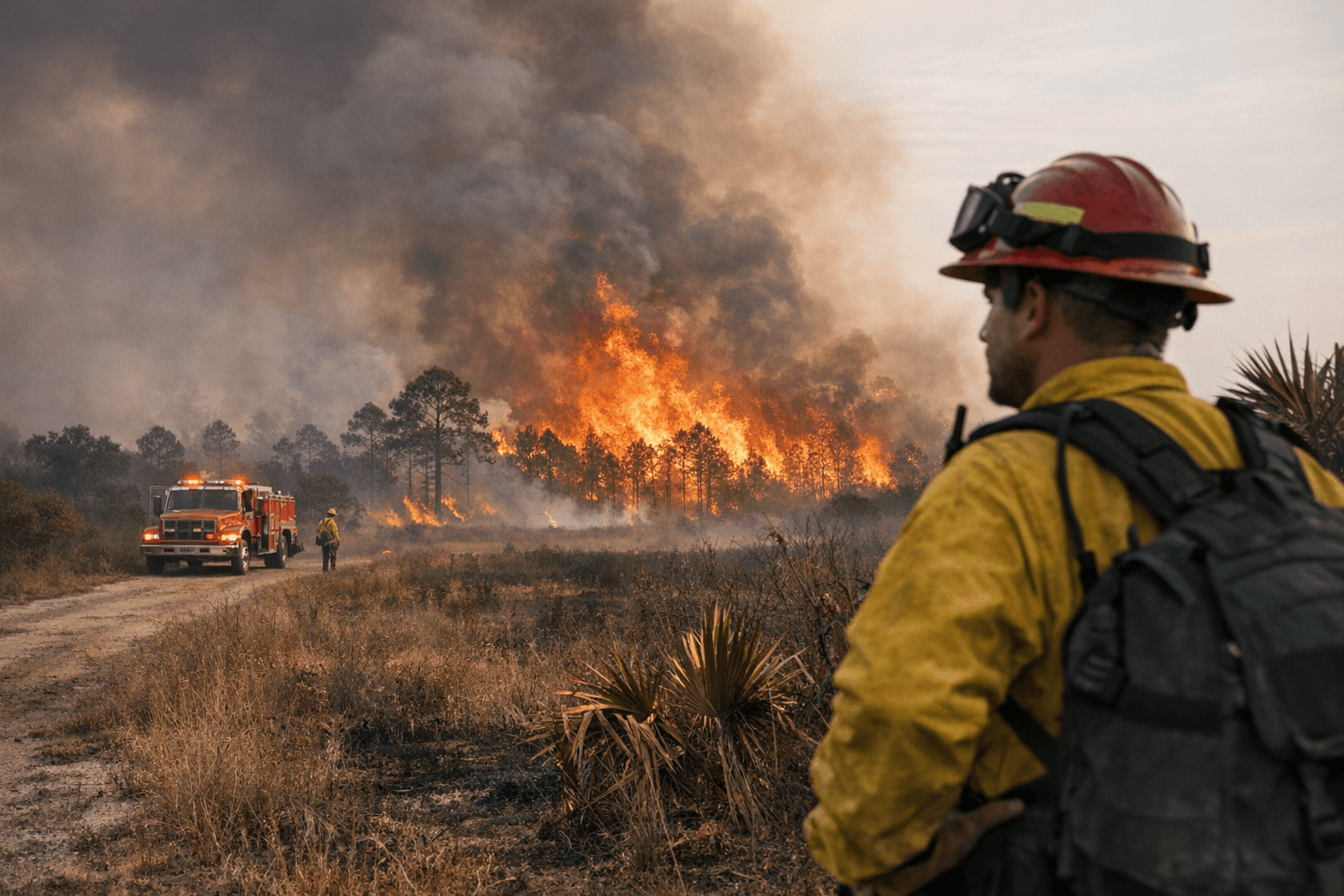
Seminole County Animal Services Launches Working Cat Program for Property Pest Control
Seminole County Animal Services launched a Working Cat Program on March 4, 2026, inviting barns, warehouses and greenhouses to adopt independent shelter cats for natural pest control.
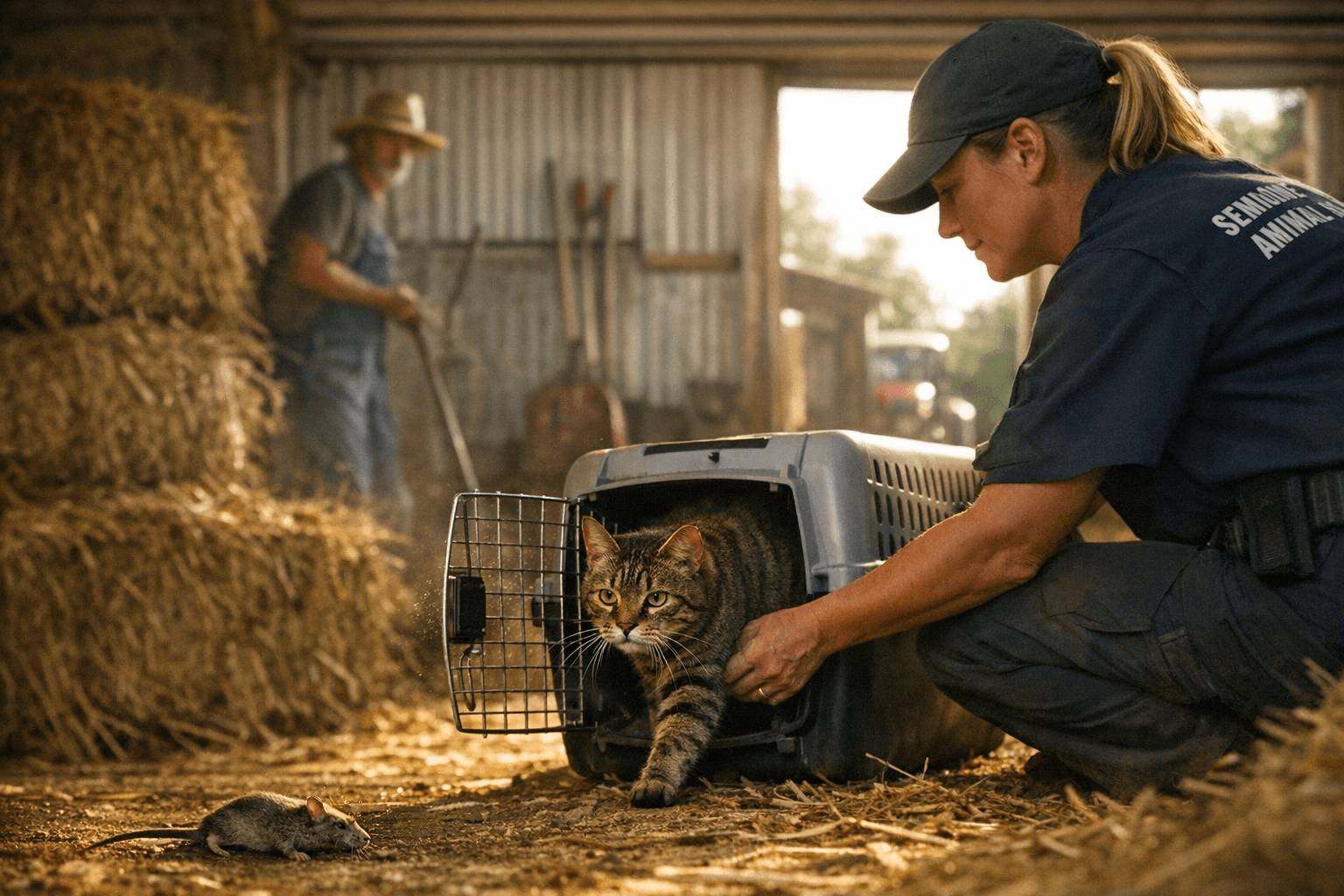
Cats described as unsuited for indoor life will be matched with farms, stables and commercial properties after Seminole County Animal Services announced the launch of its Working Cat Program on March 4, 2026. The program invites property owners across the county to provide homes where independent shelter cats can perform natural, eco-friendly pest control while receiving regular care.
Seminole County framed the effort as a second chance for animals that are “not suited for traditional adoption” or are free-spirited. Seminole County Animal Services wrote on social media, “Not every cat is meant for couch cuddles and that’s okay!” The agency’s outreach emphasizes that placements are an alternative for cats that prefer limited human handling and environments that suit their instincts and personalities.
Acceptable placement locations listed by the county and program examples include barns, stables, farms, warehouses, greenhouses, nurseries and garden centers, auto repair shops, woodworking shops, wineries and breweries, churches, storage facilities and garages. Property owners who take part must provide regular food, water, shelter and what the county describes as dedicated care for the animals; program materials and local coverage note that adopters seek felines with the temperament to tolerate human proximity while performing rodent control.
Seminole County staff framed the program as a natural fit for some cats. Chris Stronko of Seminole County Animal Services said, “From the beginning of time, this is a cat's job. So it's not a bad environment for a cat, or a cruel thing to do, it's what cats live for.” Local adopters have described the companion benefits: Ron Culver said, “It's been a little while by myself. So it is nice to go home to something you can have a relationship with. When you live alone, it's hard.” Nearby examples include Saddlewood Stables in Lake County, which hosts close to two dozen working cats that live with horses and dogs, ride on tractors and are described as part of the family.
On the question of health and identification, Seminole County’s TNVR (Trap-Neuter-Vaccinate-Return) program is explicit about spay and neuter, vaccination and ear-tipping for community cats, and the Ontario SPCA describes standard working-cat placements as sterilized, vaccinated, microchipped and ear-tipped. Media coverage and the county’s announcement do not specify whether every cat placed through Seminole County’s Working Cat Program will receive those exact procedures; the county’s TNVR guidance and established working-cat best practices suggest those measures are common but the local program’s medical protocols have not been detailed publicly.
Seminole County’s community-cat policies also set firm limits: a cat documented to have damaged property or injured a person or animal without provocation will be permanently removed from the area and exempted from release as a free-roaming cat; such incidents require proof and a sworn, notarized statement. Seminole County Animal Services is accepting inquiries at 407-665-5201 for property owners interested in adopting a working cat or seeking program details. The county’s launch places Seminole County alongside other Central Florida shelters that run similar working-cat adoption programs.
Know something we missed? Have a correction or additional information?
Submit a Tip