Seminole native plant sale aims to boost local habitat restoration
A native plant sale at the Museum of Seminole County History on Jan. 31 promotes native landscaping for yards and habitat restoration. Residents can learn about Central Florida trees, shrubs and wildflowers.
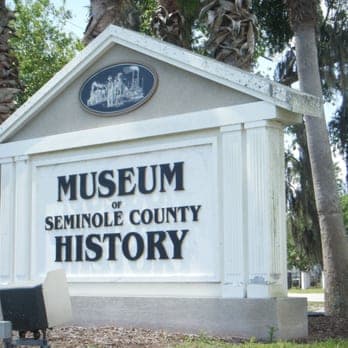
A plant sale organized by the Cuplet Fern chapter of the Florida Native Plant Society will bring native trees, shrubs, wildflowers and other Central Florida-appropriate plants to the Museum of Seminole County History in Sanford on January 31, 2026. The event is billed as a local conservation and community gardening opportunity and aims to encourage homeowners and civic groups to shift landscaping toward species that support regional ecosystems.
The sale’s focus on native species matters for homeowners and public spaces alike. Native trees and shrubs are often better adapted to local soils and rainfall patterns, can reduce landscape maintenance and irrigation needs, and provide habitat for pollinators and migratory birds. For Seminole County residents, expanding native plantings can play a role in neighborhood resilience by supporting biodiversity and reducing runoff impacts from fertilized lawns and ornamental plants not suited to Central Florida conditions.
Hosting the sale at the Museum of Seminole County History highlights how local institutions can serve as hubs for practical conservation work, linking history and place with contemporary environmental stewardship. The partnership between a civic museum and the Florida Native Plant Society chapter illustrates a model of community-based engagement that complements formal government efforts on land use, parks management, and stormwater planning.
There are broader policy implications. Municipal and county decisions about landscaping incentives, code language for front-yard plantings, and stormwater mitigation can either hinder or accelerate adoption of native landscaping. Seminole County officials and city leaders in Sanford may face constituent interest in measures such as rebate programs for native plant purchases, educational outreach through extension services, or revisions to landscaping ordinances that currently favor turf. These are local governance questions that can surface at commission meetings and in municipal planning discussions as residents seek practical steps to lower maintenance costs and support habitat.
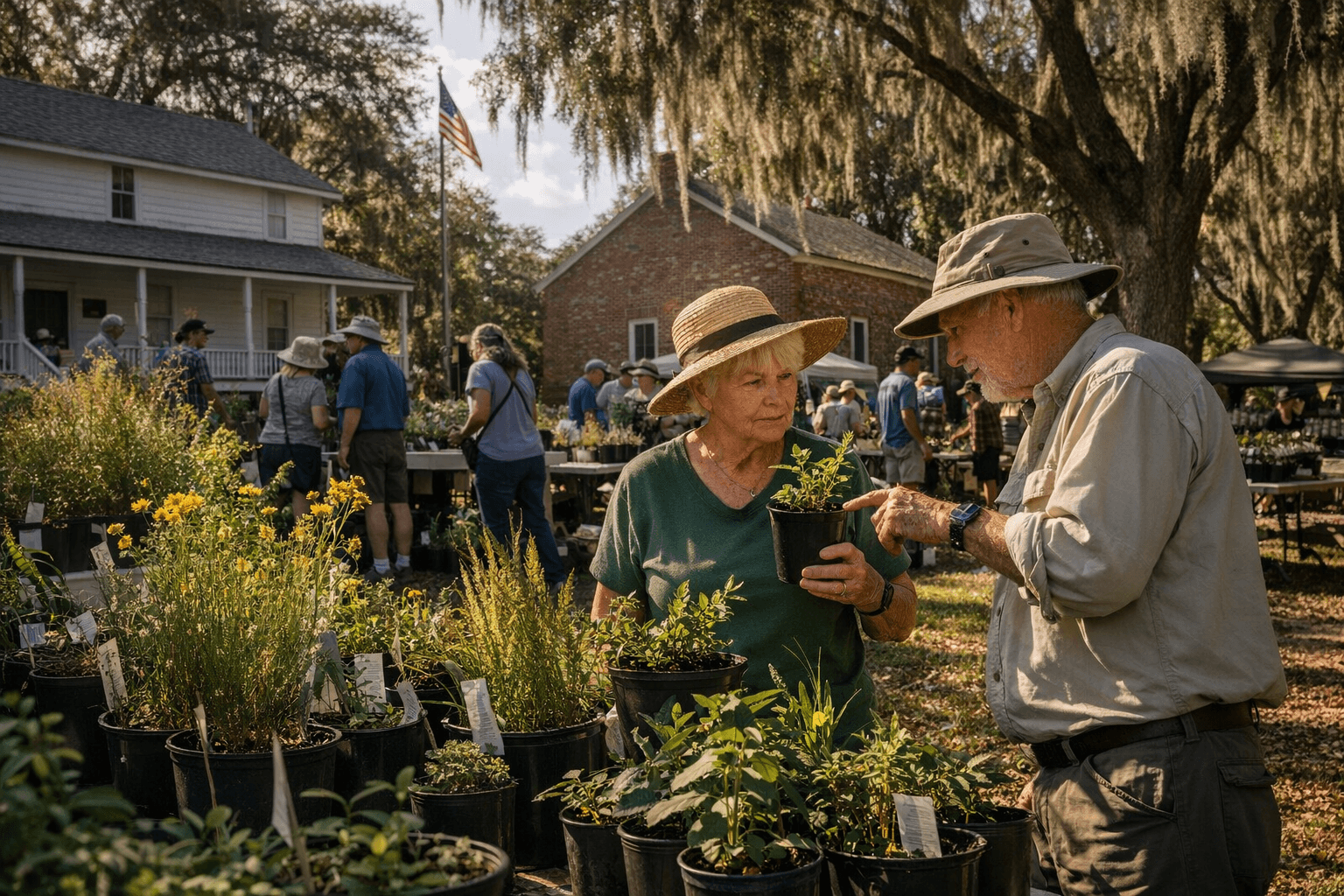
The event also represents an accessible avenue for civic engagement. Chapter sales and volunteer activities are entry points for residents to learn plant identification, native garden design and habitat restoration practices without needing specialized expertise. For local community groups, schools and neighborhood associations, native plant sales can seed larger projects such as pollinator corridors, schoolyard habitat, or native demonstration gardens in public parks.
For Seminole County voters and property owners, the sale is both a shopping opportunity and a prompt to consider how everyday landscaping choices intersect with local policy and community values. Attendees can take home plants suited to Central Florida yards and, potentially, new ideas for how neighborhoods and local government can work together to make Seminole County greener, more resilient and more hospitable to native wildlife.
Sources:
Know something we missed? Have a correction or additional information?
Submit a Tip