Sen. Heinrich Secures $55M, Caps Gallup Share in Navajo Gallup Water Project
Sen. Heinrich secured $55 million and capped Gallup's share of the Navajo Gallup Water Supply Project to limit local cost exposure and keep the long-delayed project on track.
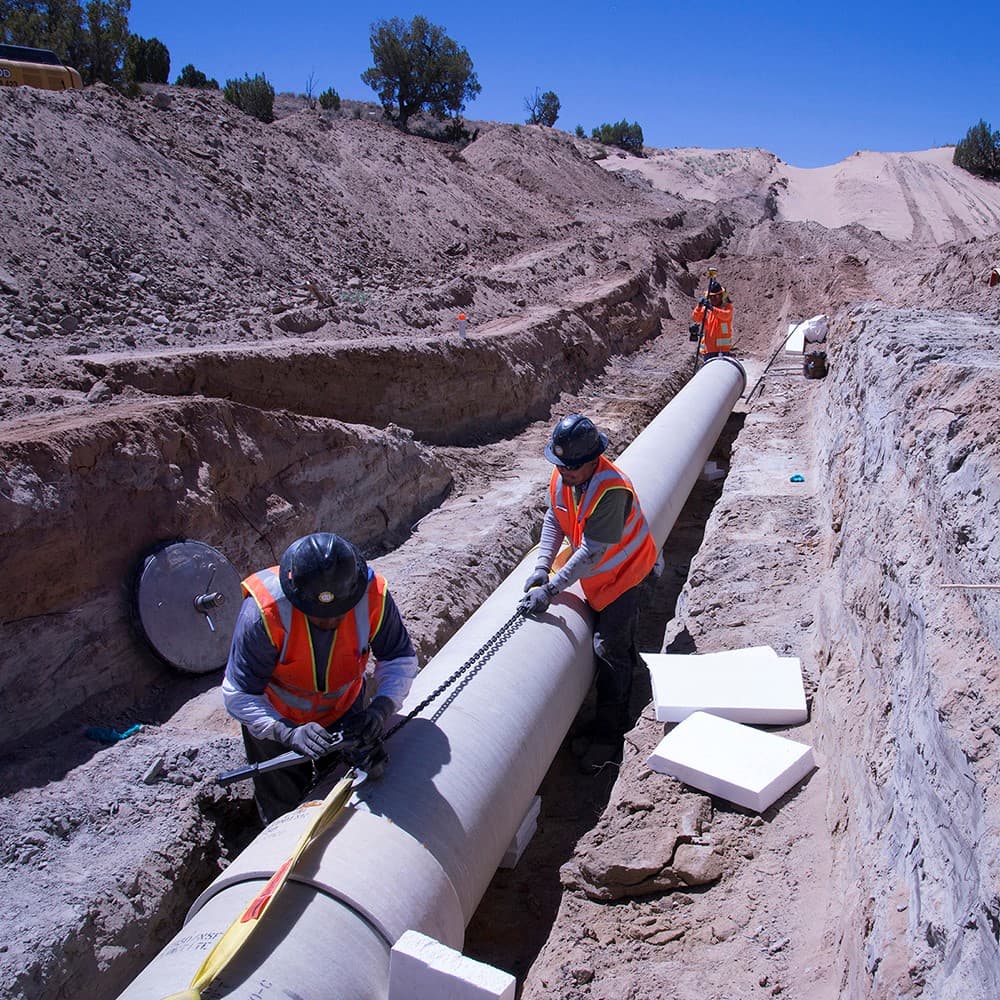
U.S. Sen. Martin Heinrich announced Jan. 7, 2026 that he had secured $55 million in fiscal 2026 appropriations and legislative language to cap Gallup’s financial obligation to the Navajo Gallup Water Supply Project. The provision is intended to prevent the City of Gallup from being forced to absorb escalating costs and to stabilize the project’s funding as partners move forward.
Heinrich characterized the funding as part of roughly a $57.5 million package that also benefits Farmington, San Juan County, Zuni Pueblo and the Navajo Nation. The cost-cap language would limit Gallup’s total contribution to $76 million. That cap matters because Gallup originally agreed in 2009 to contribute $54 million and rising project costs had threatened to push local obligations far beyond that figure.
The Navajo Gallup Water Supply Project is a long-delayed effort to deliver reliable drinking water across parts of northwest New Mexico and the Eastern Navajo Nation. Decades of planning, federal involvement and intergovernmental cost-sharing agreements have left the project sensitive to cost overruns and shifting budgetary pressures. For municipal and tribal partners, predictable cost-sharing is central to maintaining municipal budgets, protecting ratepayers and ensuring tribal water access without transferring undue fiscal risk to local governments.
If finalized by Congress and signed by the president, the $55 million appropriation and the Gallup cap would reduce immediate fiscal uncertainty for the city and other partners. For Gallup residents, the outcome could blunt pressure on city finances that otherwise might have produced higher water rates or shifted funds away from other local services. For tribal communities and neighboring municipalities, federal funding supports a regional infrastructure project that has been touted for its potential to secure long-term water reliability.
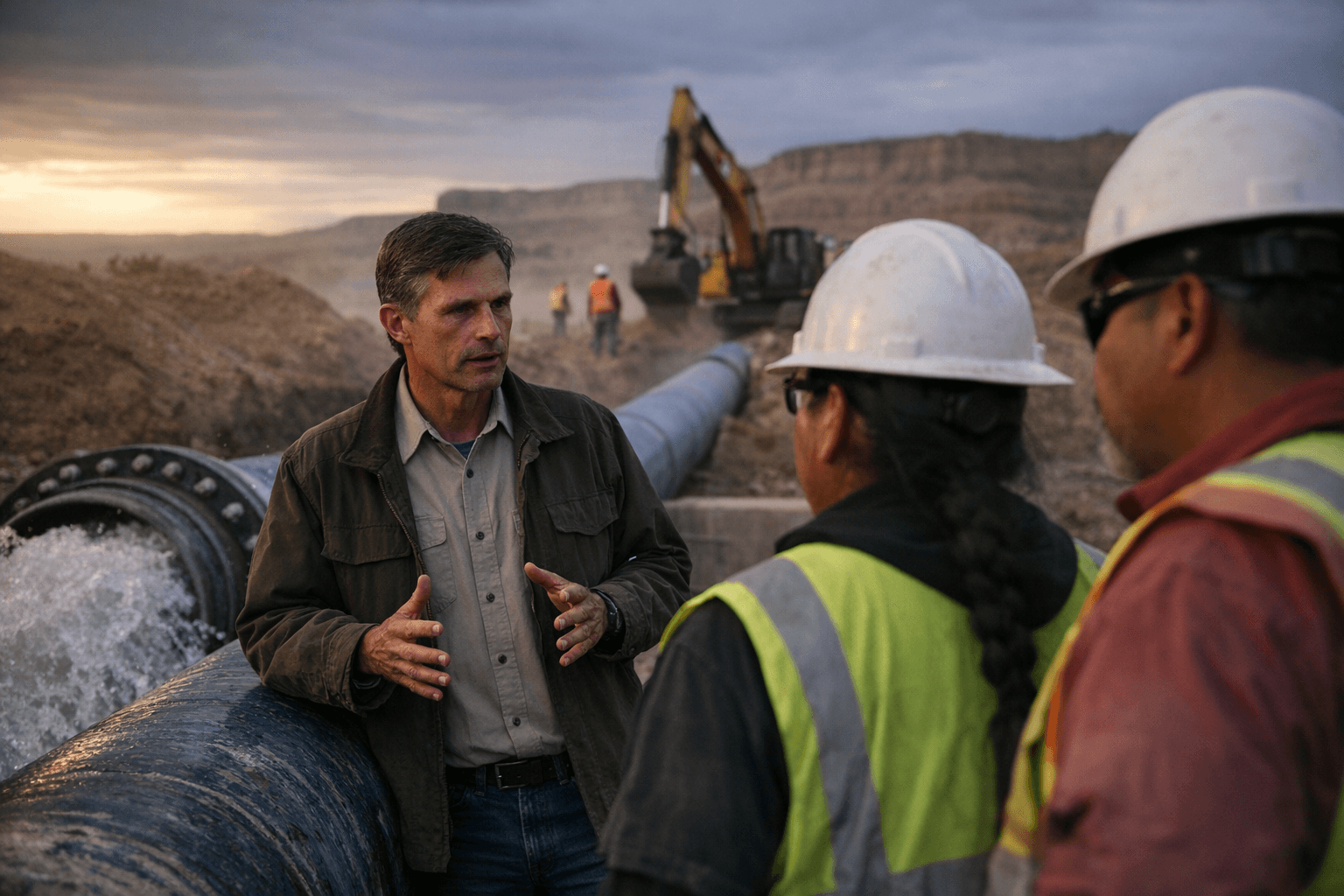
The measure also highlights how federal appropriations and legislative language can shape outcomes for local infrastructure. Cost-cap provisions change the negotiations among municipal leaders, tribal governments and federal agencies by altering who carries the risk of overruns. Local officials now face a near-term responsibility to monitor the appropriations process and to coordinate with state and federal partners to ensure project schedules and compliance obligations remain clear.
Practical next steps include congressional final approval and the president’s signature to make the funding and cap legally binding. If that occurs, implementation will require continued coordination among Gallup, Farmington, San Juan County, Zuni Pueblo and the Navajo Nation to translate federal dollars and contract changes into on-the-ground work.
For San Juan County readers, the development reduces one significant source of fiscal uncertainty and increases the likelihood that a long-awaited pipeline will move forward. Residents should watch the final congressional actions and local council or tribal council meetings where project timelines, budgets and rate impacts will be discussed in greater detail.
Sources:
Know something we missed? Have a correction or additional information?
Submit a Tip