Sen. Steinborn proposes $50M for McKinley County abandoned uranium mine cleanup
Sen. Jeff Steinborn filed SB66 to send $50 million to the New Mexico Environment Department for cleanup of abandoned uranium mines and contaminated sites, affecting McKinley County residents near targeted mines.
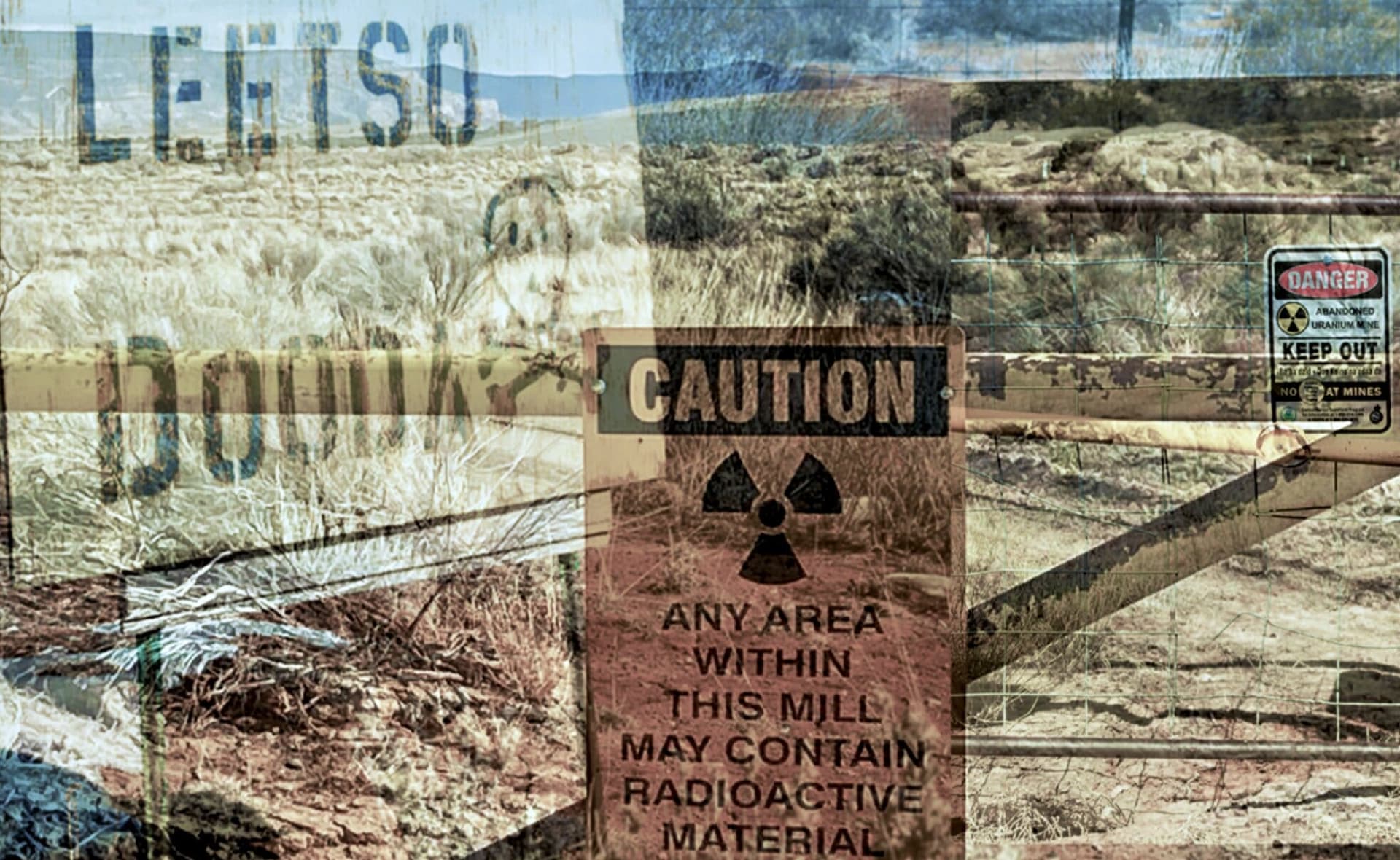
Sen. Jeff Steinborn (D-Las Cruces) prefiled Senate Bill 66 to provide a one-time $50 million appropriation to the New Mexico Environment Department for cleanup of abandoned uranium mines and other contaminated sites on state land. The measure aims to sustain remediation work already underway and expand state action along the Grants Mineral Belt and near tribal communities that have long lived with legacy contamination.
The Senate Conservation Committee unanimously endorsed the bill on Jan. 29, 2026, advancing it ahead of the 30-day legislative session. Steinborn framed the proposal as a necessary follow-up to last year’s $20 million appropriation, saying the new funds will help "maintain momentum and finally remediate more than 1,000 abandoned uranium mine sites." He warned that "people are being exposed to environmental threats that they shouldn’t have to live with, and it has been this way for decades," and described many polluted sites as "ticking time bombs." Steinborn also told lawmakers that one of the four mines recently targeted for cleanup "exposed those nearby to one year’s worth of radiation every 13 days."
For McKinley County, the bill would bolster work NMED began late last year at four mines on the county’s western edge. The Schmitt Mine is identified as one of the four locations where contractors have begun remediation. NMED’s current projects are limited in scope compared with the scale advocates and experts say is needed: campaigners and technical analysts have estimated that "hundreds of millions" of dollars will ultimately be necessary to address New Mexico’s legacy sites.
Community advocates emphasized local health and justice stakes. Leona Morgan, a Diné anti-nuclear activist and co-founder of Haul No!, pointed to chronic conditions reported in proximity to mines, saying "kidney disease, autoimmune disease," and that women report "miscarriages, reproductive problems – so we need more studies, especially from rural communities." Morgan added that "because of the extent of mining, there's so many other communities that don't get attention, don't get any type of different sampling or water testing, soil sampling, and they're just living in it permanently."
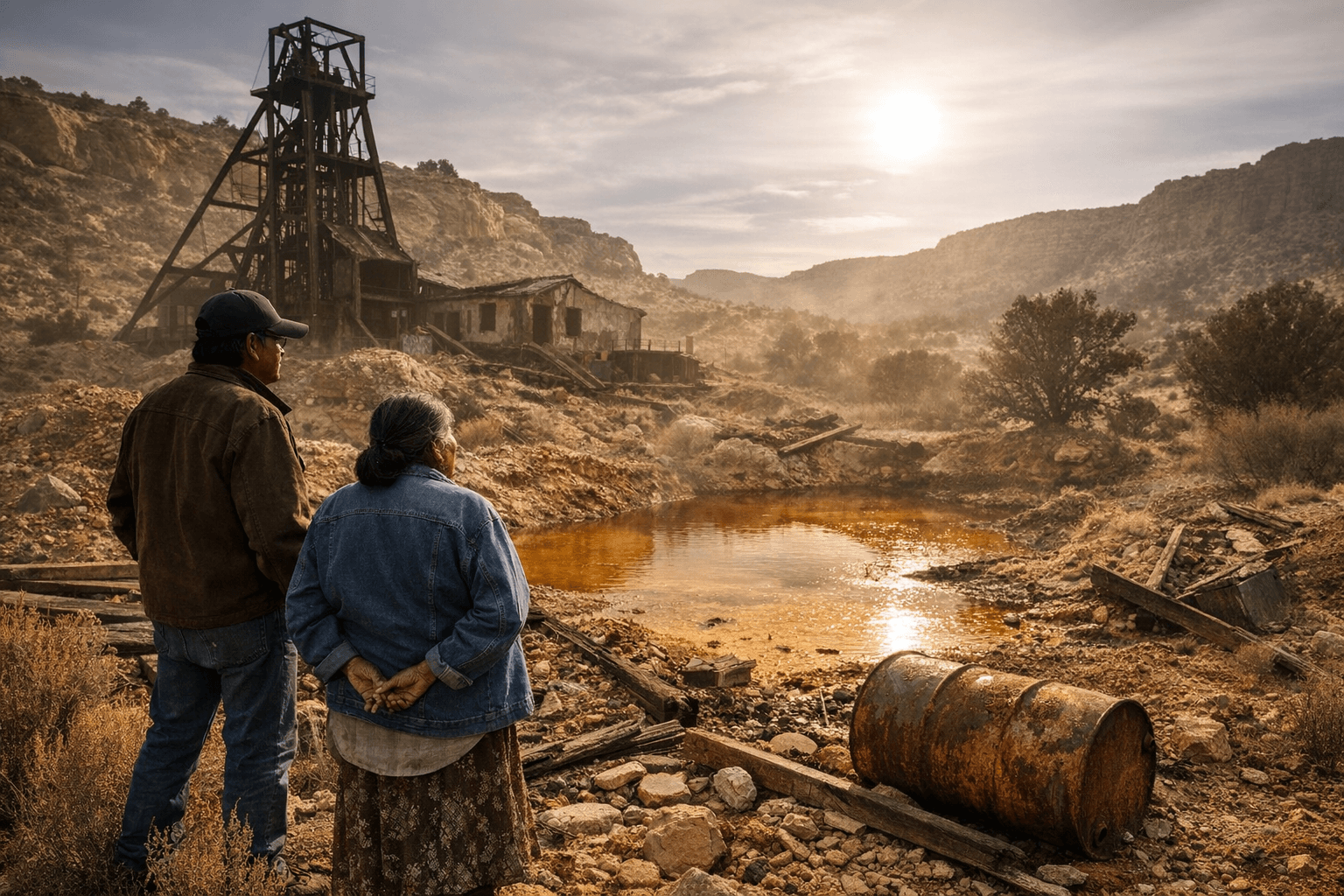
The 2022 Uranium Mine Cleanup Act gave New Mexico agencies firmer authority to plan and act on abandoned mine risks that historically fell to federal programs. Advocates and some lawmakers want tighter coordination with federal agencies as Steinborn seeks federal contributions to cover most cleanup costs. Open operational questions remain about how crews will transport and dispose of radioactive waste and how remediation effectiveness will be measured and monitored.
For McKinley County residents the debate is immediate: state funding could expand on-the-ground cleanup at the Schmitt Mine and other local sites, but the dollars proposed will not erase the full statewide backlog. The next steps are legislative consideration during the 30-day session and follow-up from NMED with concrete site lists, contractor contracts, monitoring data and plans for waste transport and long-term oversight. Track committee calendars and seek direct updates from NMED and Sen. Steinborn’s office for timelines and community engagement opportunities.
Sources:
Know something we missed? Have a correction or additional information?
Submit a Tip