Senate Banking Committee Delays Warsh Hearing, Complicating Fed Chair Confirmation Timeline
The Senate Banking Committee skipped its expected Warsh hearing, leaving Powell's May 15 term expiration with no confirmed successor yet in sight.
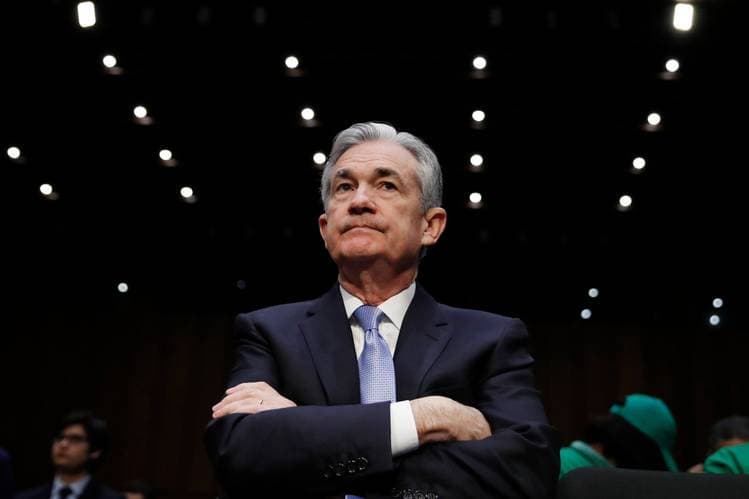
The Senate Banking Committee's decision to pass on a Kevin Warsh confirmation hearing the week of April 9 has compressed an already tight timeline for installing new Federal Reserve leadership before Jerome Powell's term expires on May 15.
The postponement matters less as a scheduling inconvenience than as a structural problem. Under Senate rules, committees must provide at least five days' notice before holding a hearing, and most hearings are calendared Tuesday through Thursday. That combination pushes the earliest realistic date for a Warsh hearing to April 21, just 24 days before Powell's term ends. From there, the committee would still need to vote on the nomination, Senate leadership would have to find floor time for a full chamber vote, and Warsh would need to clear a majority. Each step carries its own procedural friction.
As of late Thursday, April 9, the committee had not set or announced a new hearing date. That blank calendar slot carries real weight: the closer the Senate gets to May 15 without confirming Warsh, the more likely the Fed enters a period of ambiguous leadership. Powell has signaled he would remain as chair on a temporary, pro tem basis if no successor is confirmed by the deadline, but that scenario prolongs the uncertainty markets dislike most, namely unclear authority over interest-rate decisions at a moment when inflation trajectories and the pace of any rate adjustments remain unsettled.
The delay directly contradicts earlier reporting from Punchbowl News, which had indicated the hearing was expected to proceed the week of April 9. That the committee backed away from that schedule signals ongoing logistical and political friction around the nomination, which has faced scrutiny over paperwork issues and opposition from some senators tied to broader disputes surrounding President Donald Trump's nominees.
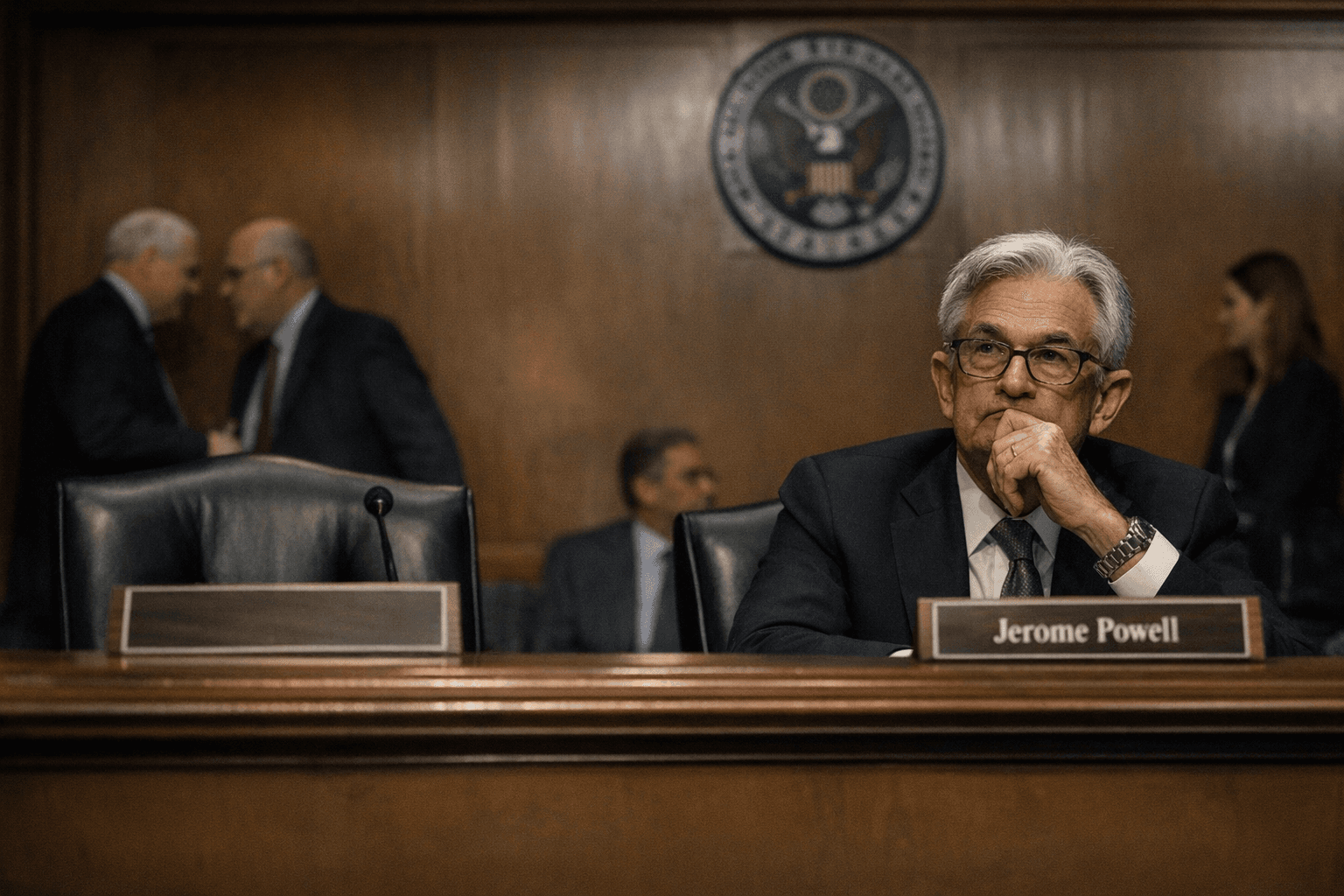
The procedural chokepoints ahead are significant. Even if the Banking Committee moved with unusual speed and held a hearing April 21, a committee vote and subsequent floor consideration by the full Senate would realistically push a final confirmation into early May at the earliest. Senate floor time is finite, managed by leadership and subject to competing priorities, and a contentious nomination can face delays that stretch the timeline without warning.
Beyond the leadership question, specific Fed functions cluster in the spring and summer months. The Federal Open Market Committee meets regularly to set benchmark interest rates, and markets price in expectations of policy continuity or change based on who holds the chair. Bank oversight and supervisory posture are also chair-driven priorities, making leadership transitions consequential for financial institutions watching for regulatory signals.
Trump nominated Warsh, a former Fed governor and investment banker, with the expectation that his tenure would begin on firm footing with a clear confirmation mandate. The committee's delay has made that expectation difficult to fulfill before Powell's clock runs out, and no rescheduled hearing has yet been announced to close the gap.
This article was produced by Prism’s automated news system from verified source data, official records, and press releases, then run through automated quality and moderation checks before publishing. The system is built and supervised by the people who set the standards it runs under. Read our full AI policy.
Did this article answer your question?

