Senate blocks surveillance extension, leaving Section 702 expiring June 12
A 47-52 Senate defeat put Section 702 on track to lapse June 12 after Bill Pulte’s intelligence postupended a fragile bipartisan deal.

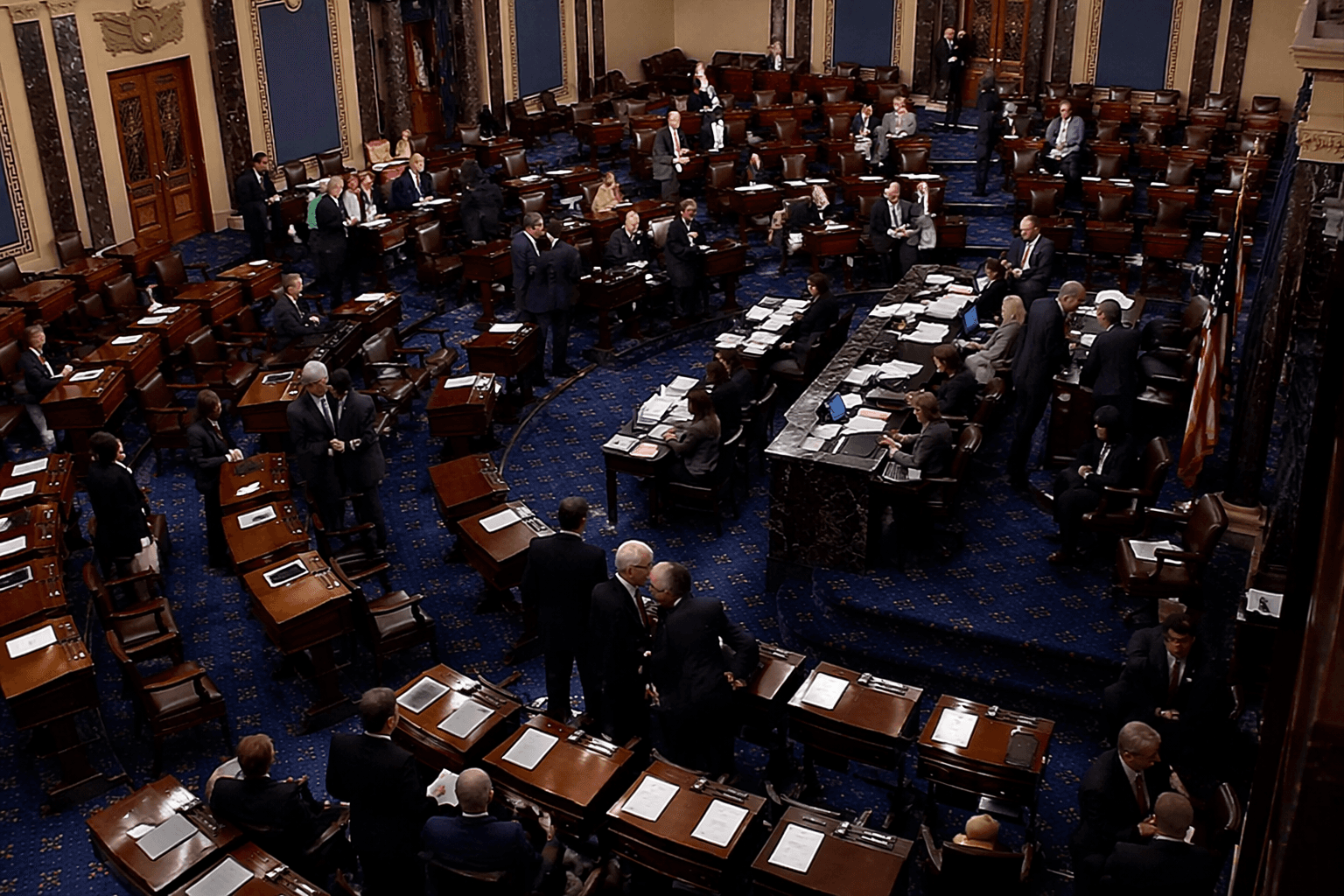
A Senate procedural vote on Friday blocked an extension of Section 702, leaving the government’s most closely watched foreign-surveillance authority hanging over a June 12 deadline. The 47-52 loss came after six Republicans and nearly all Democrats refused to advance the measure, turning what had been a routine renewal into a fresh test of trust inside Washington.
Section 702 sits inside the Foreign Intelligence Surveillance Act framework and lets U.S. intelligence agencies collect communications from non-U.S. persons abroad without seeking an individualized warrant for each target. The Foreign Intelligence Surveillance Court approves the broad surveillance parameters, usually for up to one year at a time, while the National Security Agency, Central Intelligence Agency and Federal Bureau of Investigation use the authority to gather foreign intelligence. Supporters call it indispensable for national security; critics say Americans’ communications can be swept up incidentally and that the law still needs stronger safeguards.
Congress last reauthorized Section 702 in the Reforming Intelligence and Securing America Act on April 20, 2024. That law added new FBI query training and tighter oversight for sensitive searches involving political, media and religious terms, but the latest clash showed that those changes did not settle the debate. Lawmakers on both sides have continued to argue over whether the government should have to obtain warrants before U.S.-person searches of Section 702 data.
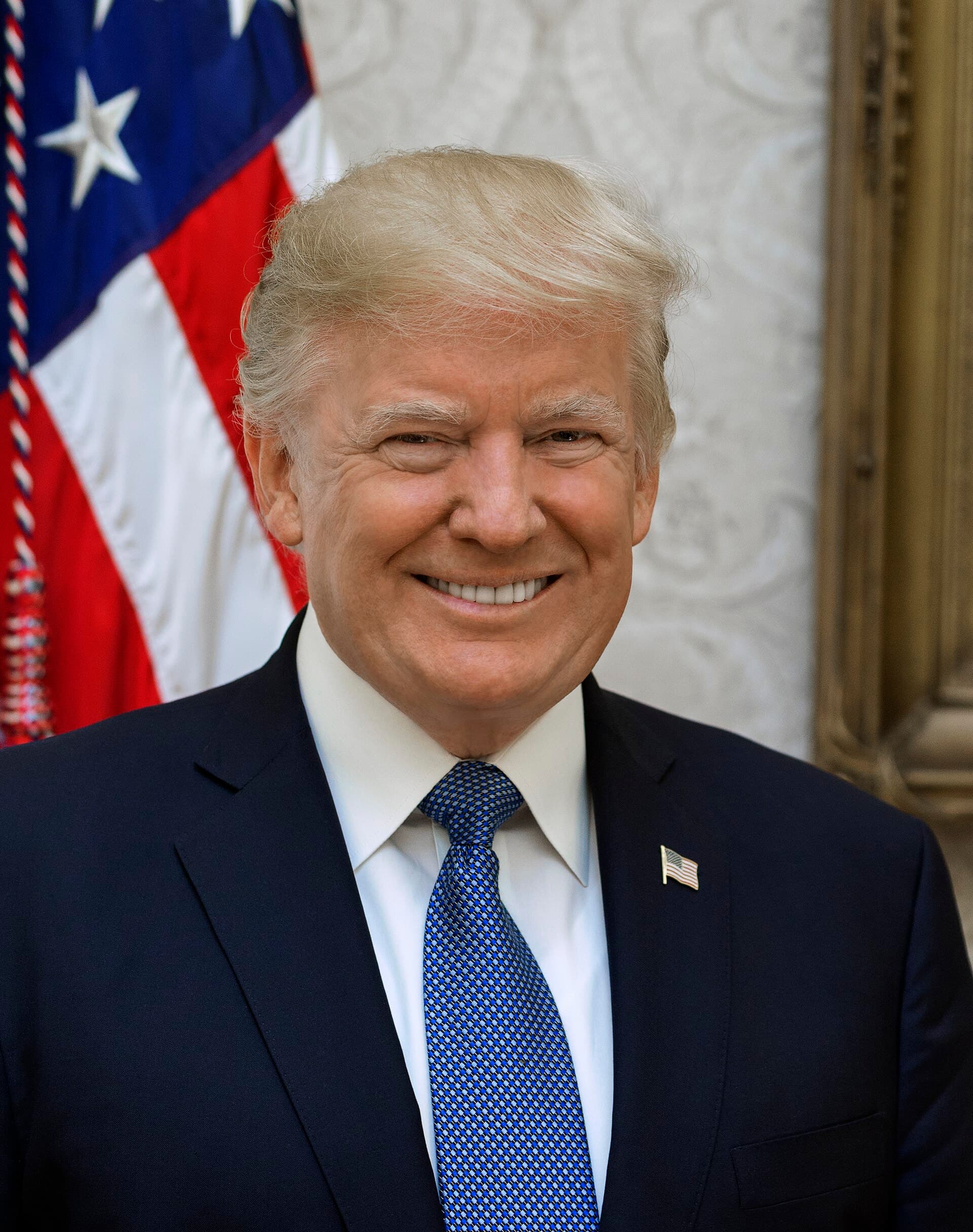
The political collapse was sharpened by President Donald Trump’s decision to name Bill Pulte, the federal housing finance regulator, to also serve as acting or interim director of national intelligence. Mark Warner, who had been involved in negotiations over a Senate compromise, publicly criticized the move on June 2 and said it complicated talks. Reuters and POLITICO reported that only John Fetterman of Pennsylvania voted with Republicans to advance the measure, while seven Republicans, Josh Hawley, John Kennedy, Mike Lee, Rand Paul, Eric Schmitt, Rick Scott and Tommy Tuberville, voted against taking up the extension.
John Thune said the Senate would try again next week and accused Democrats of blocking an important national-security measure. The immediate stakes are practical as well as political: if the authority lapses, intelligence agencies could lose a tool they rely on to collect foreign communications, even as civil-liberties critics press for tighter limits and more warrant protections. The fight has become less about a narrow surveillance renewal than about whether Congress still trusts the national-security apparatus enough to keep it running without a fight.
This article was produced by Prism’s automated news system from verified source data, official records, and press releases, then run through automated quality and moderation checks before publishing. The system is built and supervised by the people who set the standards it runs under. Read our full AI policy.
Know something we missed? Have a correction or additional information?
Submit a Tip