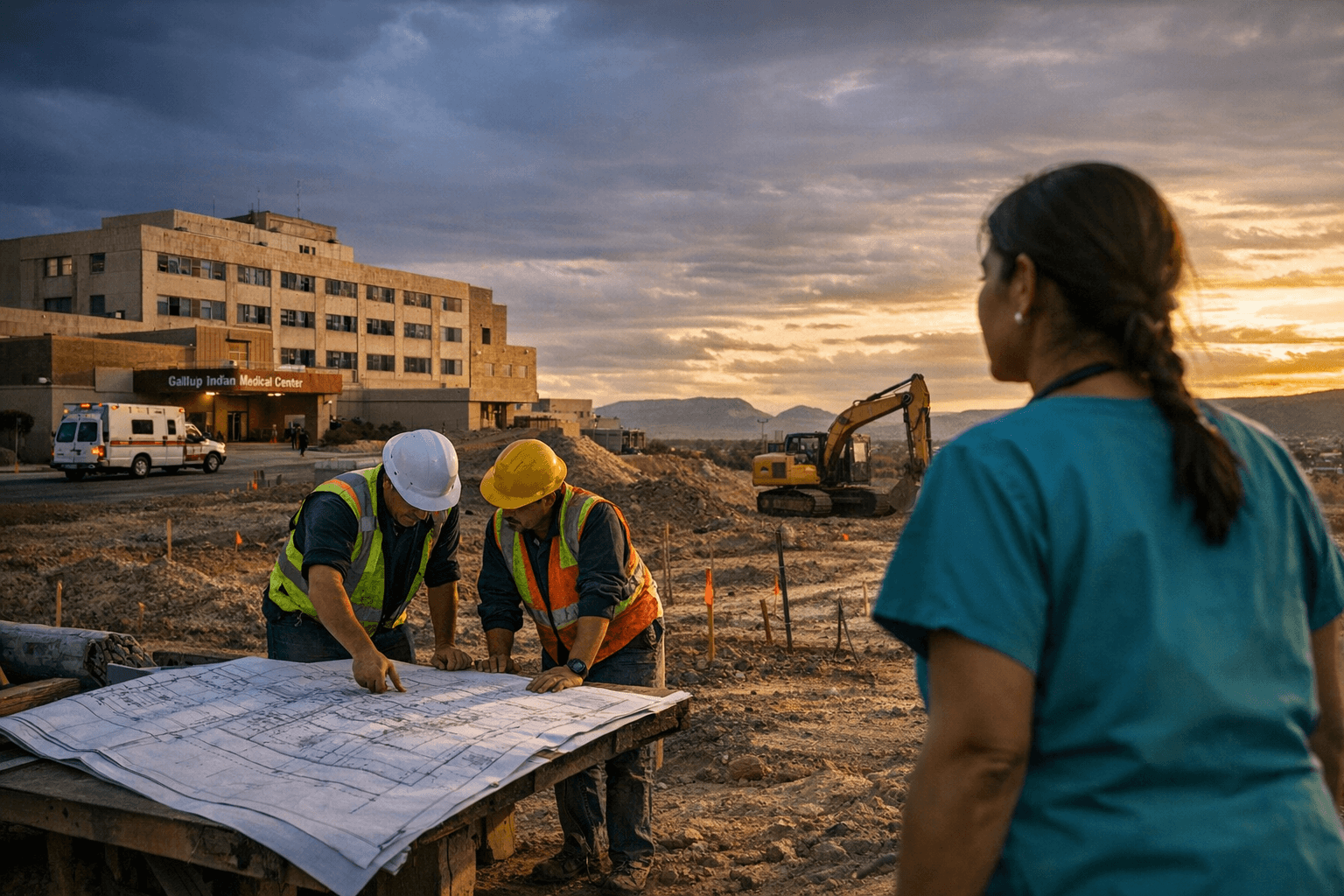
Senate Committee Advances $547M UNM Medical School Bill Affecting McKinley County
A Senate committee unanimously advanced a $547M proposal to build a new UNM School of Medicine, a move that could reshape physician training and health access for Gallup and McKinley County.
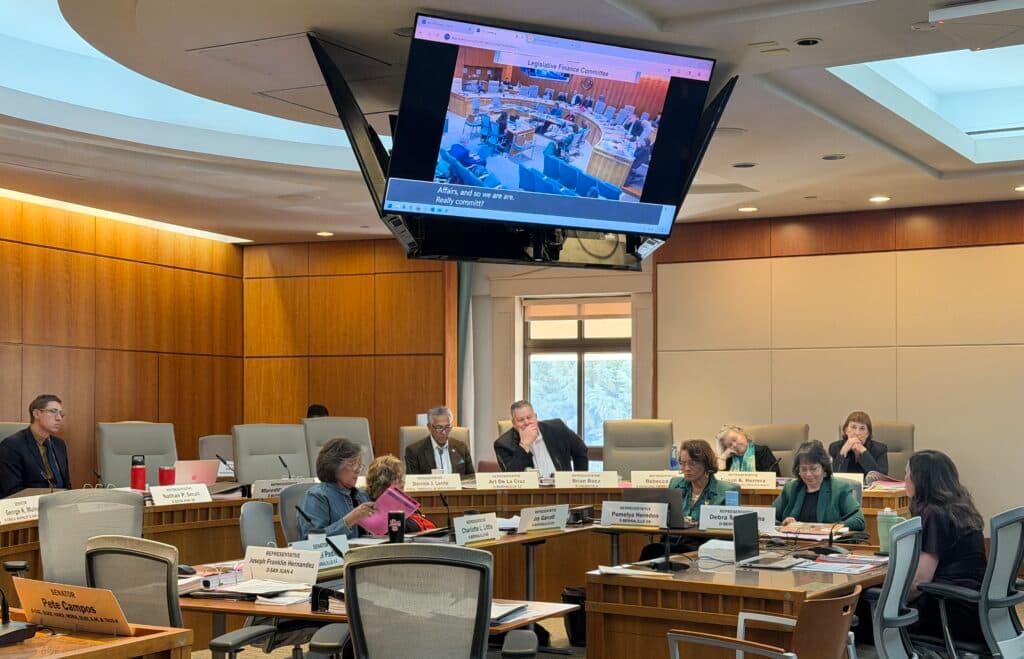
The New Mexico Senate Health & Public Affairs Committee voted unanimously on Jan. 26 to advance Senate Bill 6, a proposal to direct nearly $547 million from the state general fund to the University of New Mexico Board of Regents to build and furnish a new School of Medicine by 2030. The bill, sponsored by Sen. George Muñoz (D-Gallup), seeks to replace aging facilities and expand class size as part of a statewide effort to address a persistent physician shortage.
Supporters framed the investment as a long-term strategy to strengthen medical training pipelines that feed frontline care in communities such as Gallup and across McKinley County. Health workforce experts and local leaders have pointed to medical school capacity as a key lever for producing more primary care and specialty physicians who are more likely to practice in rural and underserved areas. For McKinley County, where travel to specialty care often means long drives and time off work, increasing the supply of locally trained clinicians could reduce wait times and improve access to culturally competent care.
Opponents raised concerns about the scale of the expenditure and its use of non-recurring state budget dollars. Lawmakers questioning the bill flagged the nearly $547 million price tag relative to other one-time priorities in the state general fund, and they urged scrutiny of cost controls, timelines, and whether projected workforce gains would materialize fast enough to meet urgent local needs.
The proposal’s timeline targets a completed and furnished facility by 2030, which aligns with multiyear workforce planning but leaves a gap for immediate access challenges. Building a medical school is a multi-step process that extends beyond construction: expanding class size requires faculty recruitment, accreditation steps, and clinical training sites. Each of those pieces will determine whether McKinley County sees more resident physicians, more family medicine graduates, and better coverage for primary and emergency care.
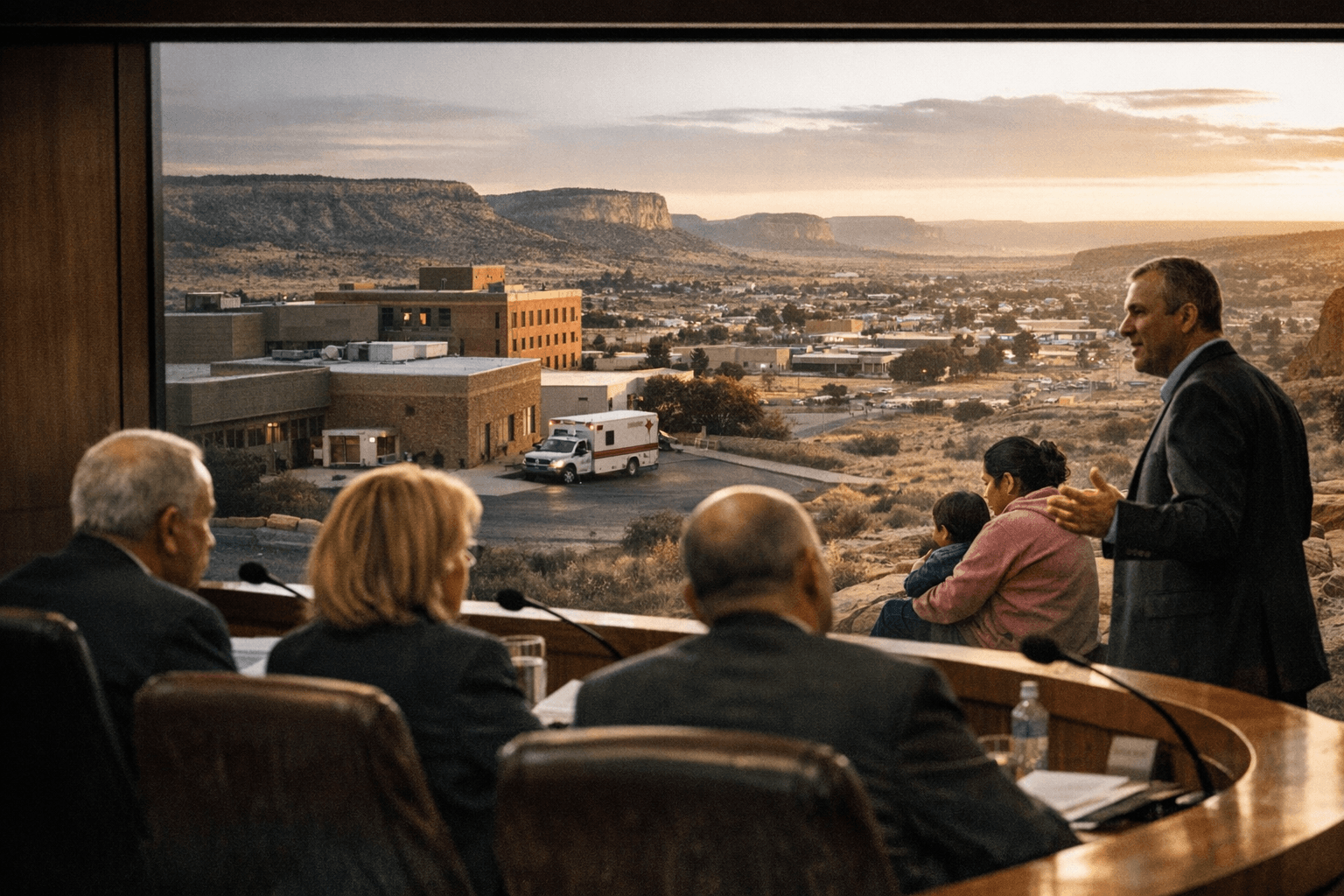
The bill’s advance out of committee moves it into the broader legislative process, where appropriation decisions and further amendments could reshape final funding levels and conditions. For Gallup-area hospitals, clinics, tribal health programs, and community advocates, the proposal represents both an opportunity and a test of state commitment to equitable health investments for rural New Mexico.
What this means for McKinley County is practical and long-term: a potential steadying of the clinician pipeline, but not an immediate fix for current shortages. Residents and local health providers should follow upcoming legislative debates and planning updates from the University of New Mexico Board of Regents to see how timelines, community training partnerships, and safeguards for cost and equity are woven into the final plan.
Sources:
Know something we missed? Have a correction or additional information?
Submit a Tip