Senate deadlock risks DHS funding lapse amid ICE and Border Patrol reforms
Lawmakers face a Feb. 13 deadline as talks stall over Democratic "guardrails" for ICE and CBP, threatening pay and operations across DHS components.

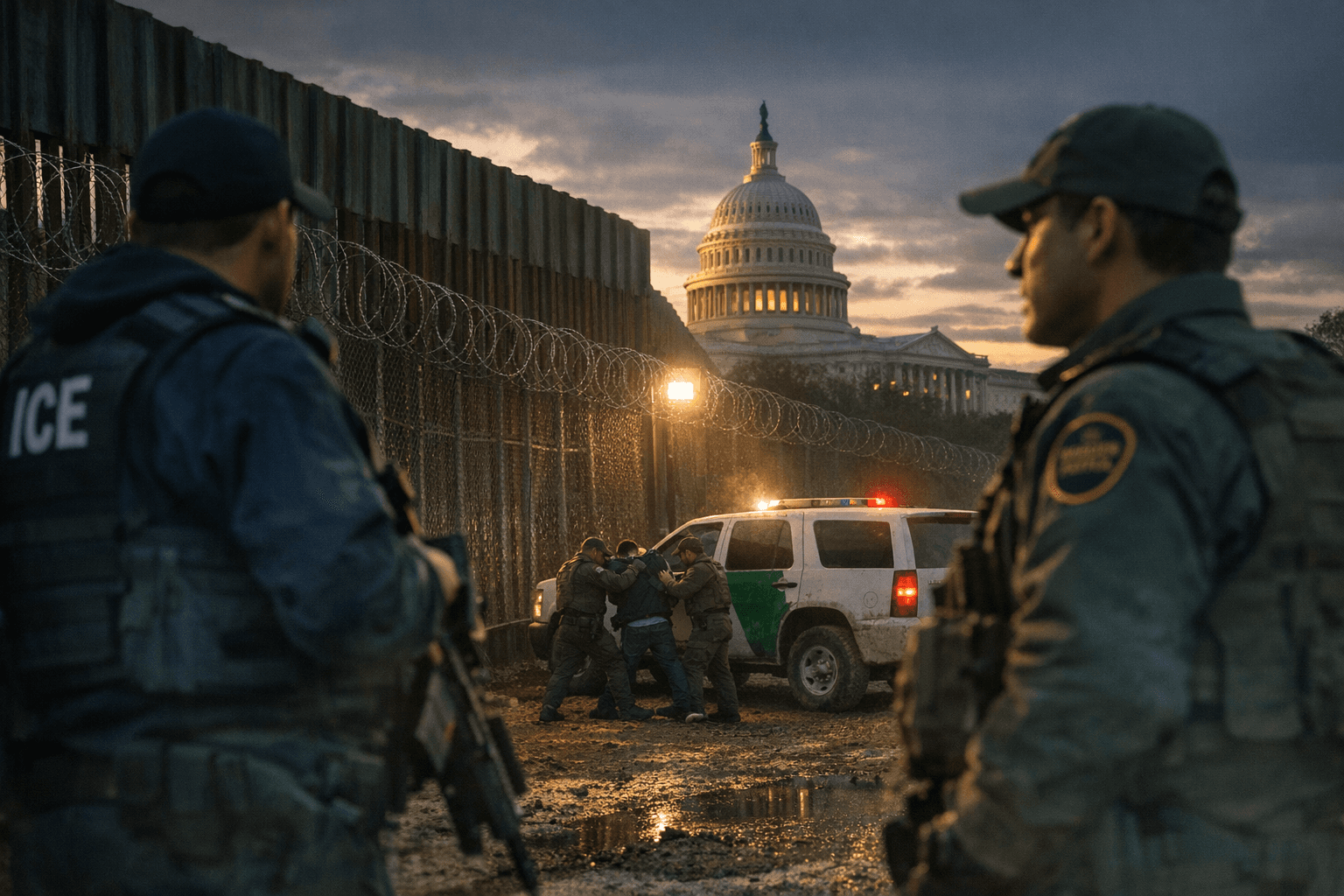
Lawmakers warned that funding for the Department of Homeland Security could lapse on Feb. 13 as negotiations broke down over Democratic demands for restrictions on Immigration and Customs Enforcement and Border Patrol. Republican leaders rejected the proposals as unrealistic, leaving an eight-day window for Congress to reach an agreement or pass another temporary measure.
If lawmakers fail to act, certain DHS components would immediately stop receiving appropriated funds. ICE and Customs and Border Protection would no longer receive government funding, although officers in those agencies are exempt from furloughs and would be expected to continue working without pay. Other parts of DHS, including the Federal Emergency Management Agency, the Transportation Security Administration and the Coast Guard, would also be affected; TSA and Coast Guard personnel are typically exempt from furloughs but would not receive paychecks until after a funding lapse ends. The rest of the federal government has been funded for the fiscal year, leaving DHS on a short-term continuing resolution that now expires Feb. 13.
Democrats have pressed for a package of ten so-called guardrails aimed at limiting abuses by federal immigration agents. Items explicitly included in the list are an end to racial profiling, prohibitions on agents entering private property without a judicial warrant, requirements that agents wear body cameras and unique identification numbers, guaranteed access to attorneys for detainees, and bans on raids near medical centers, schools, churches, polling places, courts and other designated sensitive sites. The proposals were advanced in the wake of fatal encounters involving federal agents in Minneapolis that intensified calls to tighten oversight.
Republican leaders pushed back. Senate Majority Leader John Thune described the demands as “unrealistic.” Senator John Cornyn characterized the Democratic package in blunt terms, saying, “Democrats are holding the def the Department of Homeland Security funding hostage to what I would consider ridiculous demands on, uh, uh, on the administration with regard to immigration, law enforcement. It's a ridiculous uh, it's a non-serious demand. Um, after all, we've already funded basically a lot of what ICE is operating on, and this is really kind of more of [...]” The bipartisan tenor of the Senate frayed as lawmakers traded blame and suggested the White House should help broker a deal.
Senate Minority Leader Chuck Schumer urged Republicans to clarify their position, saying, “Nothing will get done until we know what the Republicans are for, OK? They have to get their act together.” Several senators called for White House engagement. “I think it's a little strange that Thune does not want to negotiate,” Senator Chris Murphy said. “He's probably right that the White House needs to be involved.” Senator Lisa Murkowski added, “I think that that's going to help us get this resolved.” “With a week gone by, it looks like that it needs to go ahead and head to the White House now,” Britt said.
The White House warned of “serious consequences” if a lapse occurs. Press Secretary Karoline Leavitt said, “There will be grave repercussions for all of those agencies. But more importantly, frankly, for the American people who those agencies serve.” She declined to negotiate details from the podium but said the administration “will be engaged in direct, serious talks with Democrats on this important matter,” adding that the president wants to avoid a lapse “to keep DHS operational and protect the homeland, secure the border and ensure Coast Guard and Secret Service personnel continue receiving paychecks.”
With talks stalled, Republican leaders are contemplating contingency plans. Thune said he was considering a stopgap funding bill that could extend DHS funding through the end of the fiscal year on Sept. 30 as a Plan B. House Republican leaders signaled they may press unrelated policy priorities, with Speaker Mike Johnson vowing, “We are going to be fighting for the SAVE Act. This is a big priority for not just House Republicans, but for the American people, and we will continue to attach this to legislation and send it over.” Such riders would likely deepen the divide and imperil passage in the Senate.
This article was produced by Prism’s automated news system from verified source data, official records, and press releases, then run through automated quality and moderation checks before publishing. The system is built and supervised by the people who set the standards it runs under. Read our full AI policy.
Did this article answer your question?