Senate Democrats launch election observer program for polling sites
Senate Democrats are sending staff into polling places as observers, a move meant to document interference while sidestepping accusations of partisan election meddling.
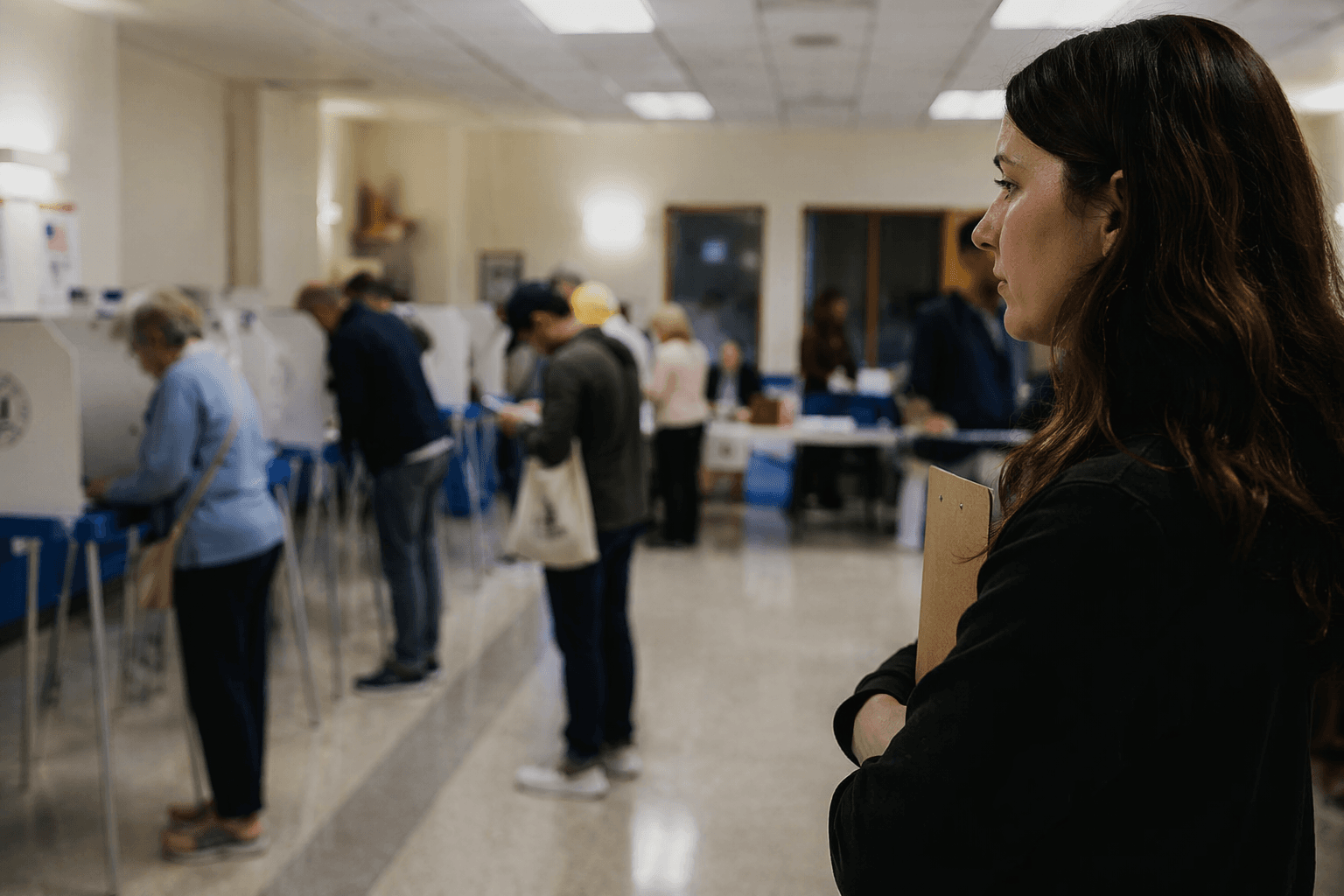
Senate Democrats on June 25 launched a new Election Observer Program that will train Senate staff to serve as official congressional observers at polling places, ballot counts, and post-election canvasses in states with Senate races. Senate Democratic Leader Chuck Schumer and Sen. Alex Padilla unveiled the program in response to threats to free and fair elections.
Under the program, Senate staffers will be deployed to monitor voting procedures, ballot counting, and the certification process, with a mandate to document attempted voter interference, threats against election workers, misinformation, disinformation, and other efforts to meddle with the process. The effort is nonpartisan, official, and strictly noninterfering, with authority to let staff witness and record events without directing how local officials conduct elections or how voters cast ballots.
The move closely mirrors the House of Representatives’ long-running Election Observer Program. The House Committee on Administration sends congressional observers to election sites across the country to gather factual information for election contests or seating battles. Any staffer may volunteer, must complete training, and may be deployed in November, with travel expenses for Republican observers paid by the committee. House Republicans point to the COCOA Act, signed by President Joe Biden on October 4, 2024, as the law that gave the program a statutory citation. The Constitution gives each chamber authority to judge the elections, returns, and qualifications of its own members.
The new Senate effort lands in a system where election observation is common but rules vary sharply by state. Poll watchers or election observers can include political parties, nonpartisan groups, candidate representatives, international observers, academics, and relevant federal and state agencies, but they are supposed to observe without violating voter privacy or disrupting the process — the U.S. Election Assistance Commission. Almost all states allow the public to view at least some parts of election administration, including ballot counting and testing of voting machines, though access for partisan poll watchers and other observers differs widely — the National Conference of State Legislatures.
In March 2026, the White House was considering ending funding for the federal civil-rights election observer program created under the Voting Rights Act in 1966, the system that sends neutral observers to monitor for discrimination based on race, language barriers, or disabilities. Senate Democrats are moving to build their own on-the-ground record ahead of the 2026 midterms.
This article was produced by Prism’s automated news system from verified source data, official records, and press releases, then run through automated quality and moderation checks before publishing. The system is built and supervised by the people who set the standards it runs under. Read our full AI policy.
Did this article answer your question?

