Senate panel advances bill to regulate college athlete pay and transfers
A Senate panel advanced a 19-9 bill that would cap athlete transfers, nationalize NIL rules and protect women’s sports, even as the SEC and Big Ten pushed back.
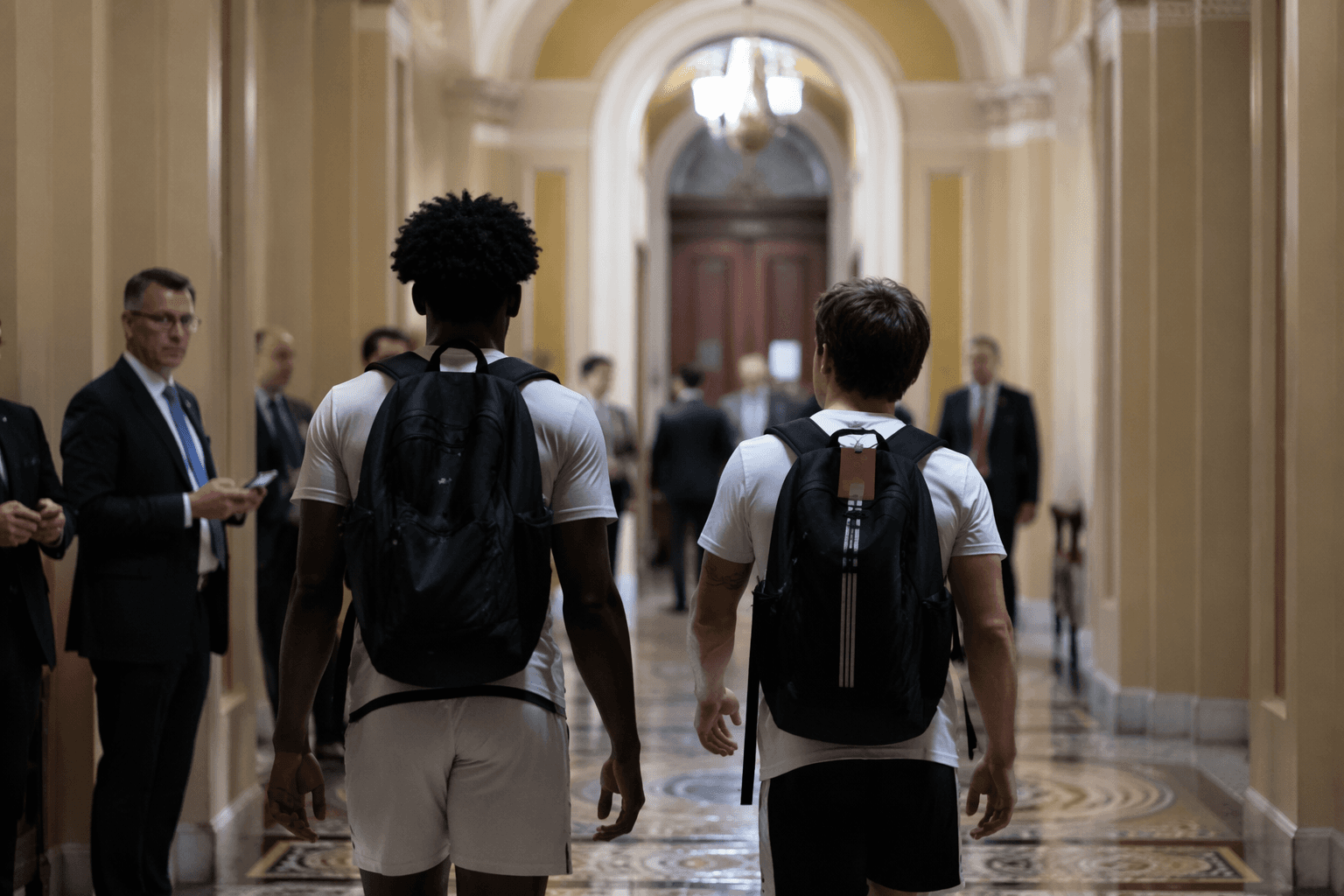
The Senate moved closer to writing a federal rulebook for college sports, advancing a bill that would limit athlete movement, standardize name, image and likeness deals and put new guardrails around the money flowing through Division I athletics. The Commerce Committee passed the Protect College Sports Act by a 19-9 vote on June 18, putting the measure on a path toward possible floor action before the August recess.
The revised bill would let athletes transfer once without losing eligibility and allow a second transfer only with a one-year loss of eligibility. It would also preempt the current patchwork of state NIL laws with a national standard, require disclosure of NIL agreements over $600, regulate agent fees and tampering, and give the NCAA and conferences a limited antitrust exemption. The framework would also allow conferences to pool media rights and set national rules on transfers, eligibility, tampering and revenue sharing.

Lawmakers behind the measure say those rules are meant to match the new economics of college sports after the House settlement approved June 6, 2025 by U.S. District Judge Claudia Wilken allowed direct revenue sharing by schools with Division I athletes. The bill was introduced May 27 by Senate Commerce Committee Chairman Ted Cruz of Texas, Ranking Member Maria Cantwell of Washington, and Sens. Eric Schmitt of Missouri and Chris Coons of Delaware. Cruz has framed the effort as a way to stop college sports from becoming “a two-conference minor league.”
The updated version also adds a major protection for women’s and Olympic sports. For athletic departments with more than $80 million in revenue, including schools in the ACC, Big Ten, Big 12 and SEC plus Notre Dame, the bill would bar cuts below 2024-25 levels for nine years. The committee said all Division I schools would have to maintain a minimum number of sports teams and roster spots, and that 24 conferences and 267 colleges and universities across 49 states and Washington, D.C., publicly support the bill. The U.S. Olympic and Paralympic Committee endorsed the revised measure on June 17.
The biggest resistance remains where the money and power are concentrated. The Southeastern Conference and Big Ten Conference said they still believed revisions were needed, and several senators from states with major conference programs voted no, including Democrats Gary Peters of Michigan and Republicans Todd Young of Indiana and Roger Wicker of Mississippi. Senate Majority Leader John Thune said he wants the bill on the floor before the August recess, but the next fight will be harder: deciding whether Congress is truly reforming college athletics, or simply locking in a new governing structure before courts and markets do it first.
This article was produced by Prism’s automated news system from verified source data, official records, and press releases, then run through automated quality and moderation checks before publishing. The system is built and supervised by the people who set the standards it runs under. Read our full AI policy.
Did this article answer your question?

