Senate passes $69.5 billion immigration enforcement bill after ballroom fight
The Senate approved a $69.5 billion immigration enforcement package after delays over Trump’s ballroom and a $1.8 billion fund, sending it to the House.
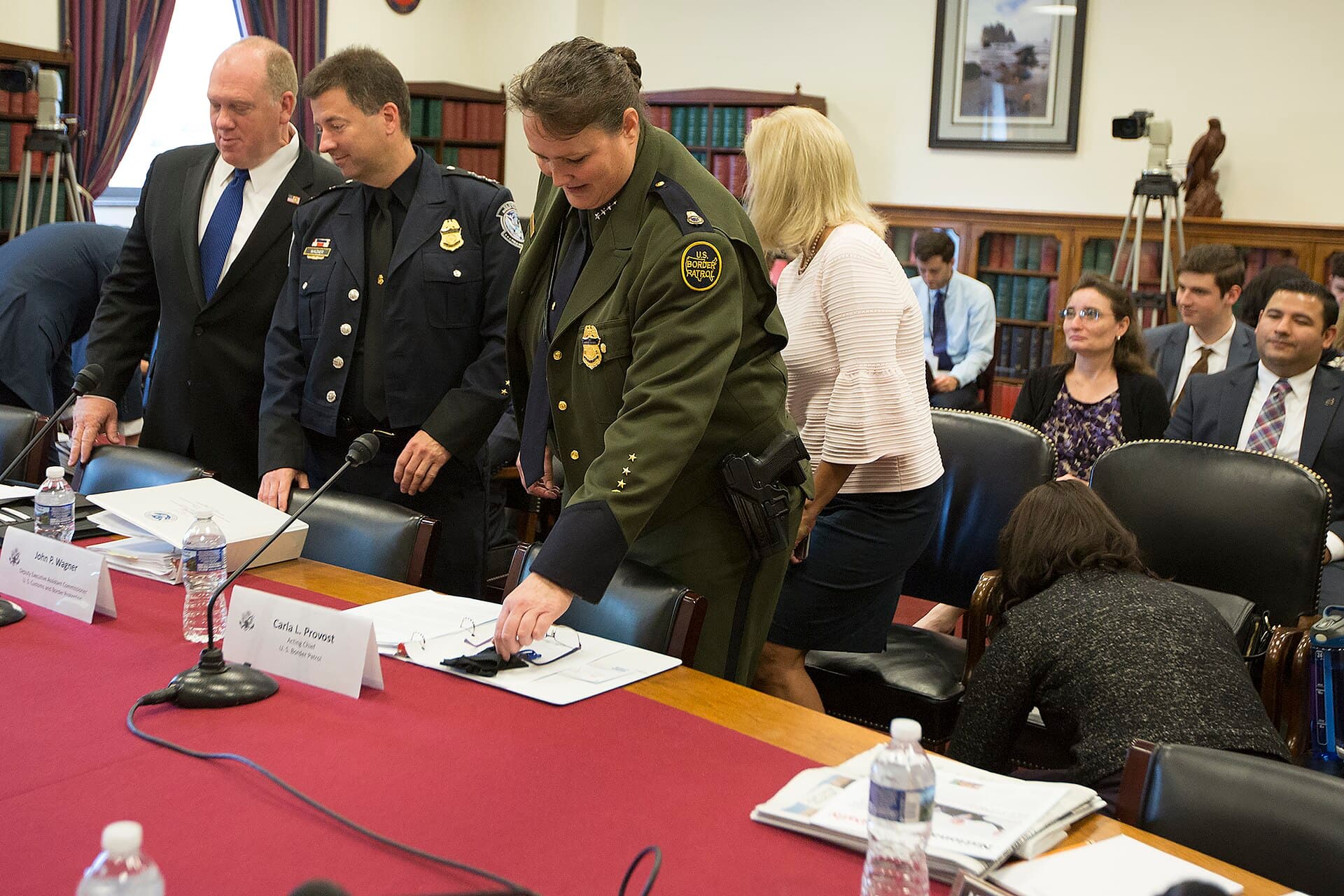
A $69.5 billion immigration enforcement package cleared the Senate after weeks of Republican infighting over a separate $1.8 billion fund and President Donald Trump’s proposed White House ballroom, exposing how unrelated bargaining can slow even must-pass security spending. The 52-47 vote, taken after an overnight vote-a-rama, sent the measure to the House and put Republicans one step closer to delivering a major immigration-enforcement victory for Trump.
The bill would finance Immigration and Customs Enforcement and U.S. Customs and Border Protection through 2029, giving the Department of Homeland Security a long runway to expand detention, deportation and border operations. It advanced through budget reconciliation, allowing Republicans to bypass the Senate’s usual 60-vote threshold, but the final tally still showed the limits of party discipline: Sen. Lisa Murkowski of Alaska was the only Republican to vote no, and no Democrats supported the package.
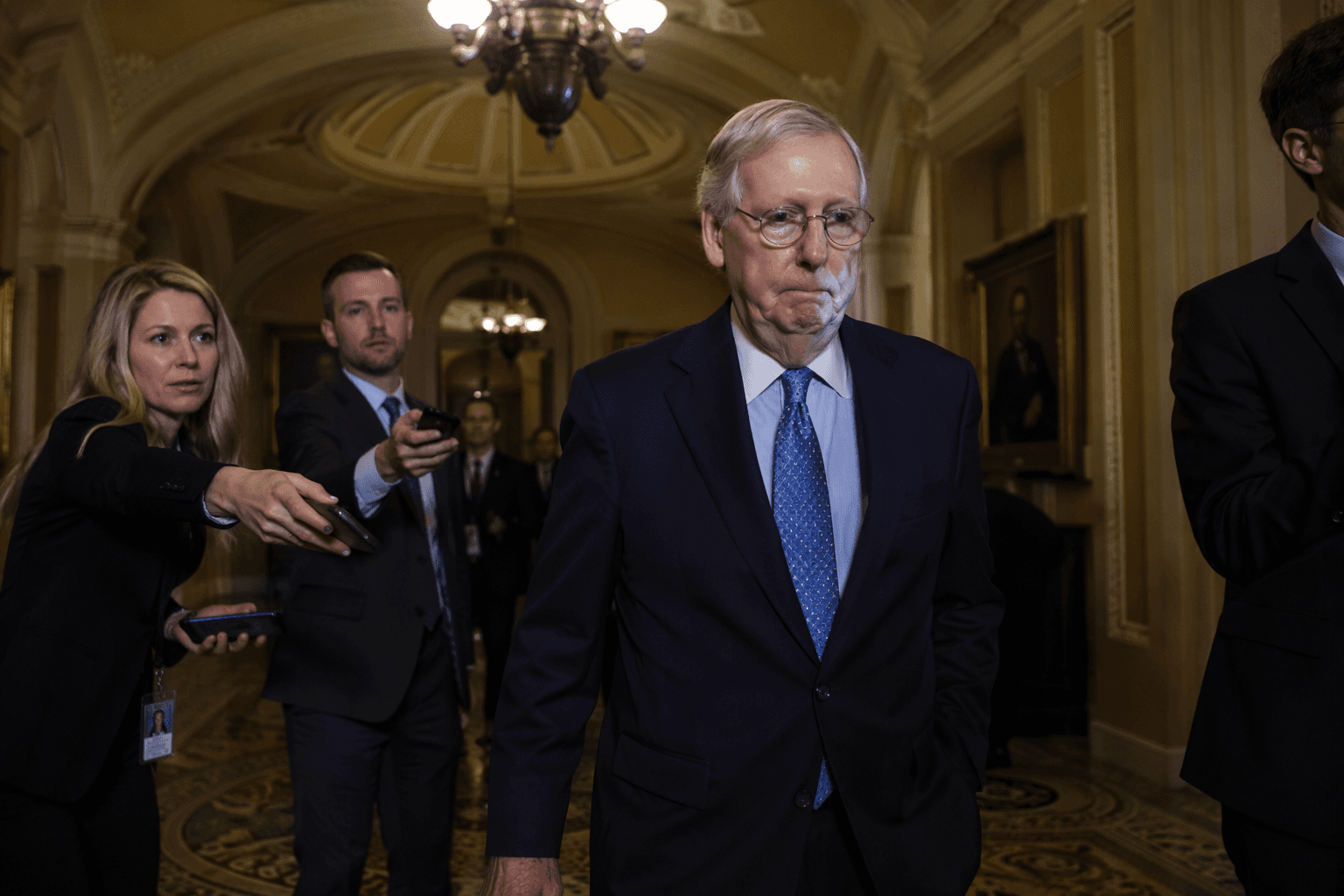
The biggest holdup came from the bill’s separate $1.8 billion anti-weaponization, or settlement, fund, which drew bipartisan backlash and became a flashpoint inside the GOP. Senate leaders tried to keep the broader enforcement measure intact even as opponents argued the provision had been folded into the package for reasons far removed from immigration policy. In the end, the chamber rejected efforts to strip the fund, allowing the full reconciliation bill to move forward.
For Trump, the vote was a political win after weeks of tension inside his party. Republicans had spent days trying to keep the enforcement bill together while managing criticism over the ballroom fight and the settlement fund, a reminder that budget reconciliation can become a vehicle not just for policy, but for presidential priorities and side deals. The White House’s next step is House consideration, and if representatives pass the bill, it will go to Trump’s desk.
The consequences reach beyond one spending bill. A multiyear boost of this size would give ICE and Border Patrol more certainty over staffing, detention capacity and removal operations, while also setting a precedent that unrelated political fights can reshape the timing and content of large security measures. Democrats have used the debate to attack GOP priorities heading into the midterms, arguing the money could be directed instead toward other domestic needs. That fight is now shifting to the House, where Republicans will decide whether the Senate’s version survives intact.
This article was produced by Prism’s automated news system from verified source data, official records, and press releases, then run through automated quality and moderation checks before publishing. The system is built and supervised by the people who set the standards it runs under. Read our full AI policy.
Know something we missed? Have a correction or additional information?
Submit a Tip